Jan 19 - Jan 30 · Week Two · Collaborative Unit
The UX of Sonic Commons
Revati Banerji I MA UX Design I London College of Communication
Brief: Design and stage a sonic intervention that amplifies, distorts, or reclaims public space in Walworth
Team: Molly Wensley · Yihan Zhong · Xiyan Lou · Jaime Santos Guerrero
Building on our primary research, including interviews and soundbites from local traders and residents, we began exploring how ongoing regeneration is reflected in the area’s soundscape.
This led us to develop Save the Elephant, a sonic time capsule preserving everyday sounds and voices from Elephant & Castle as it continues to evolve. This week, we focused on documenting the neighbourhood’s sonic environment, exploring how ambient sound shapes the rhythm and identity of a place.
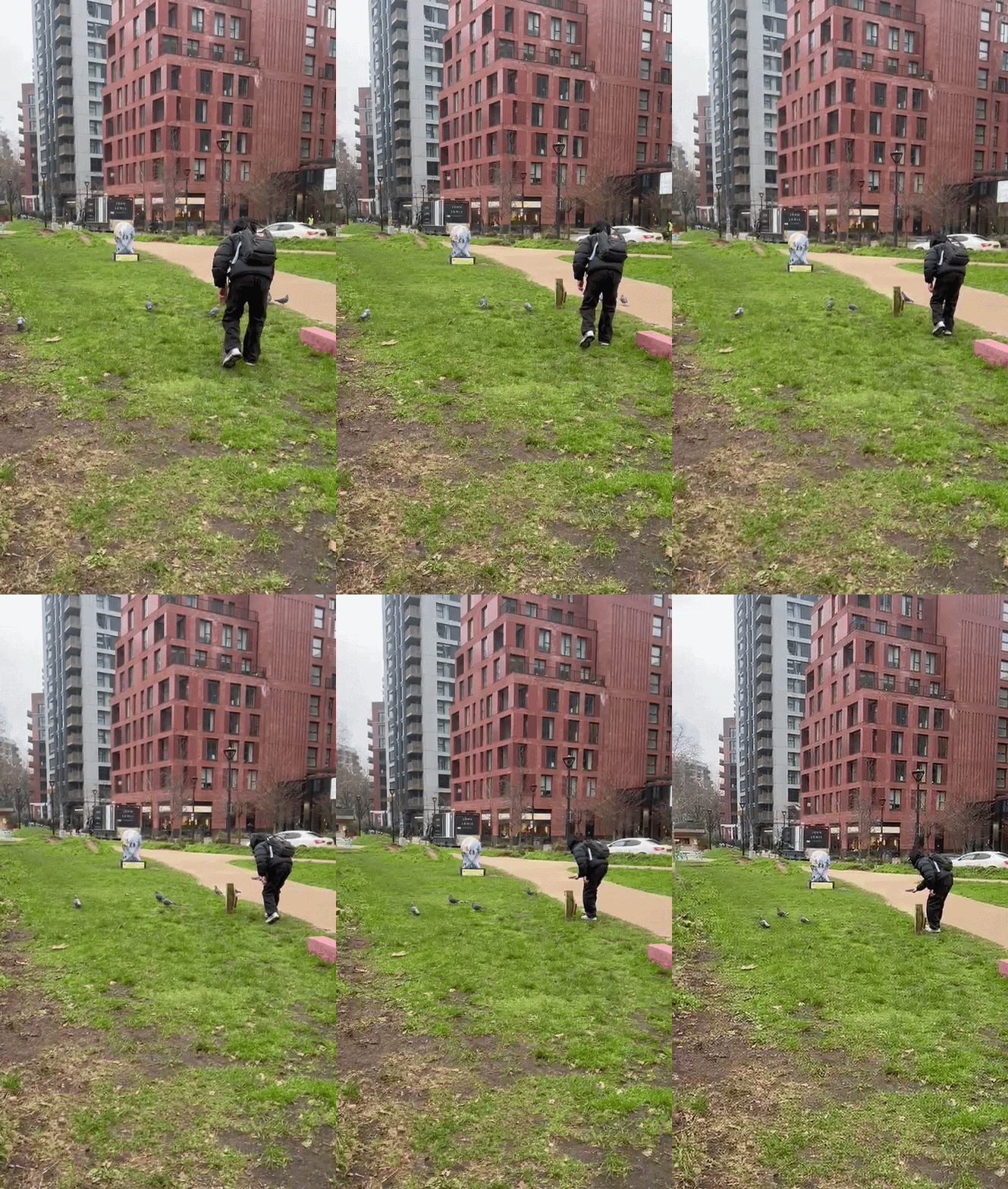
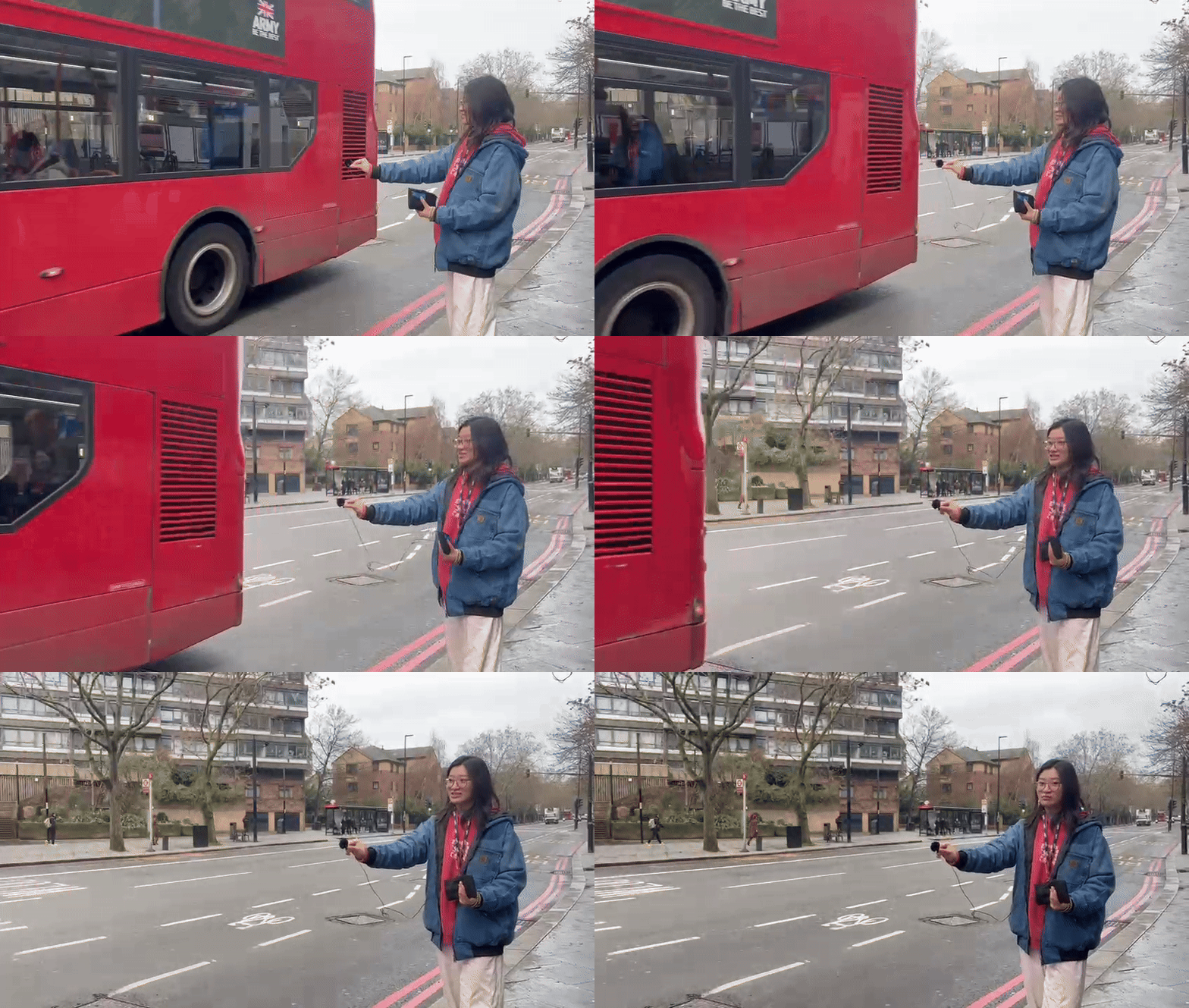
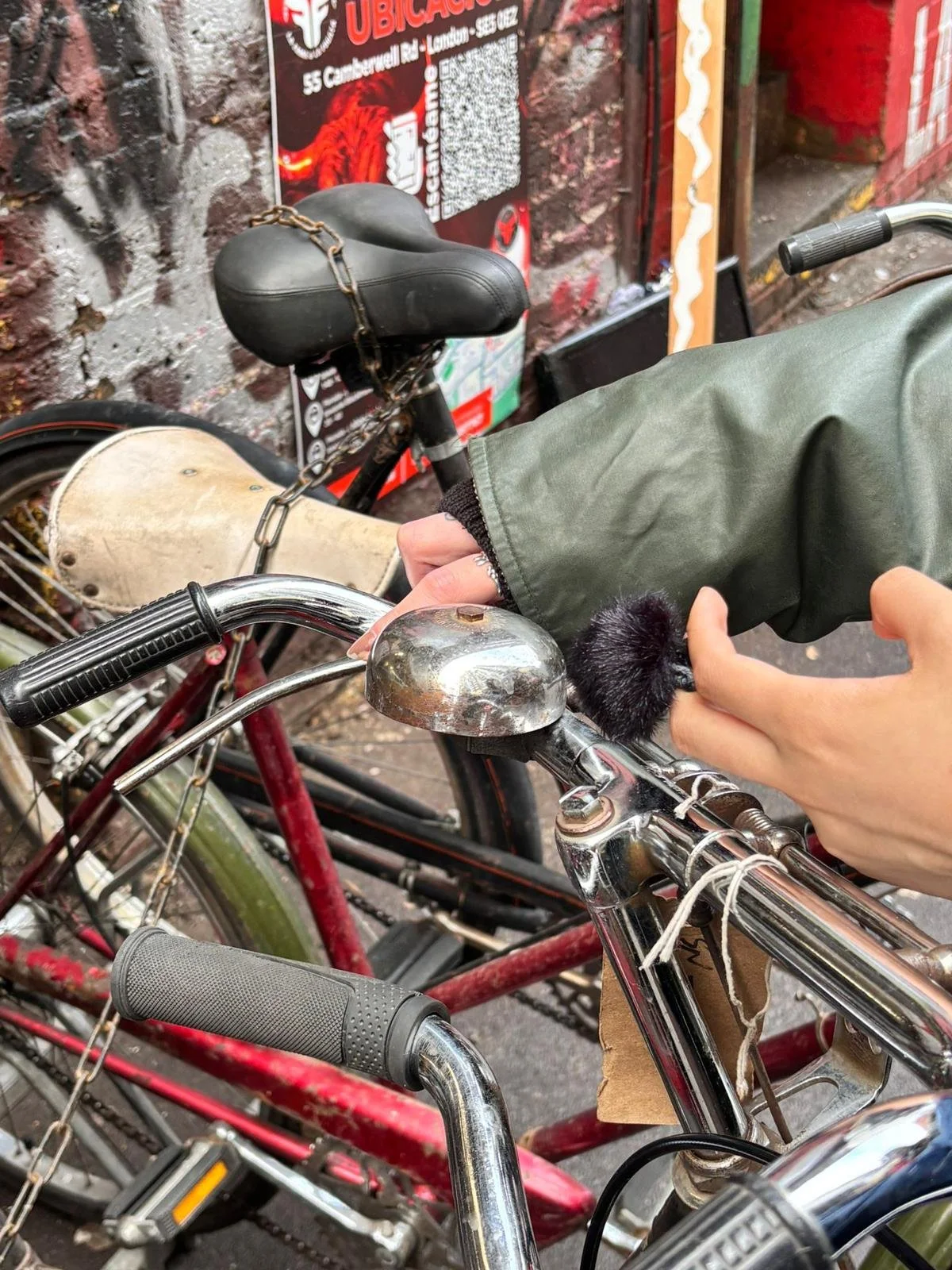
Fig. 1. Field recordings capturing everyday sounds across Elephant & Castle. Recorded by the group.
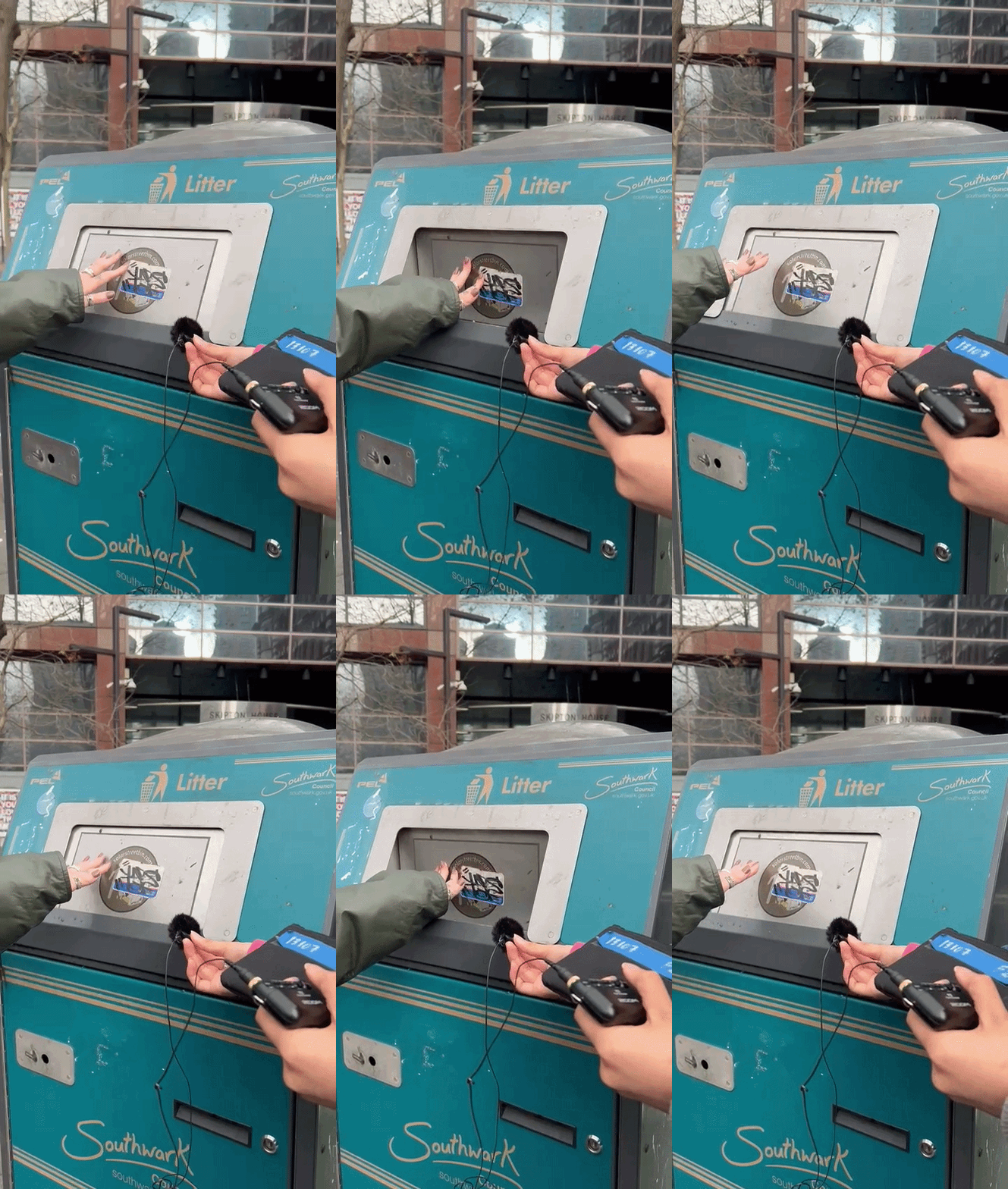
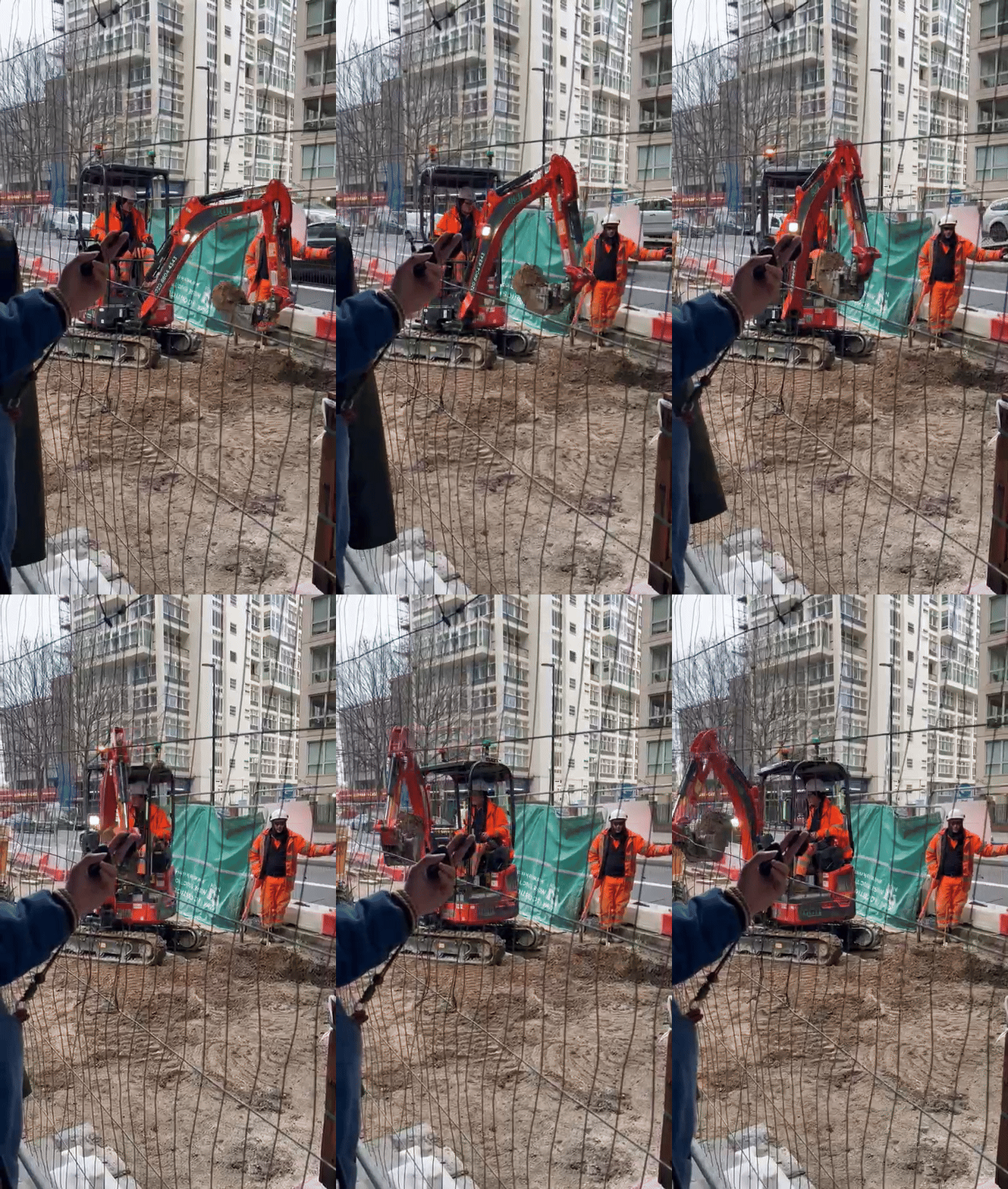
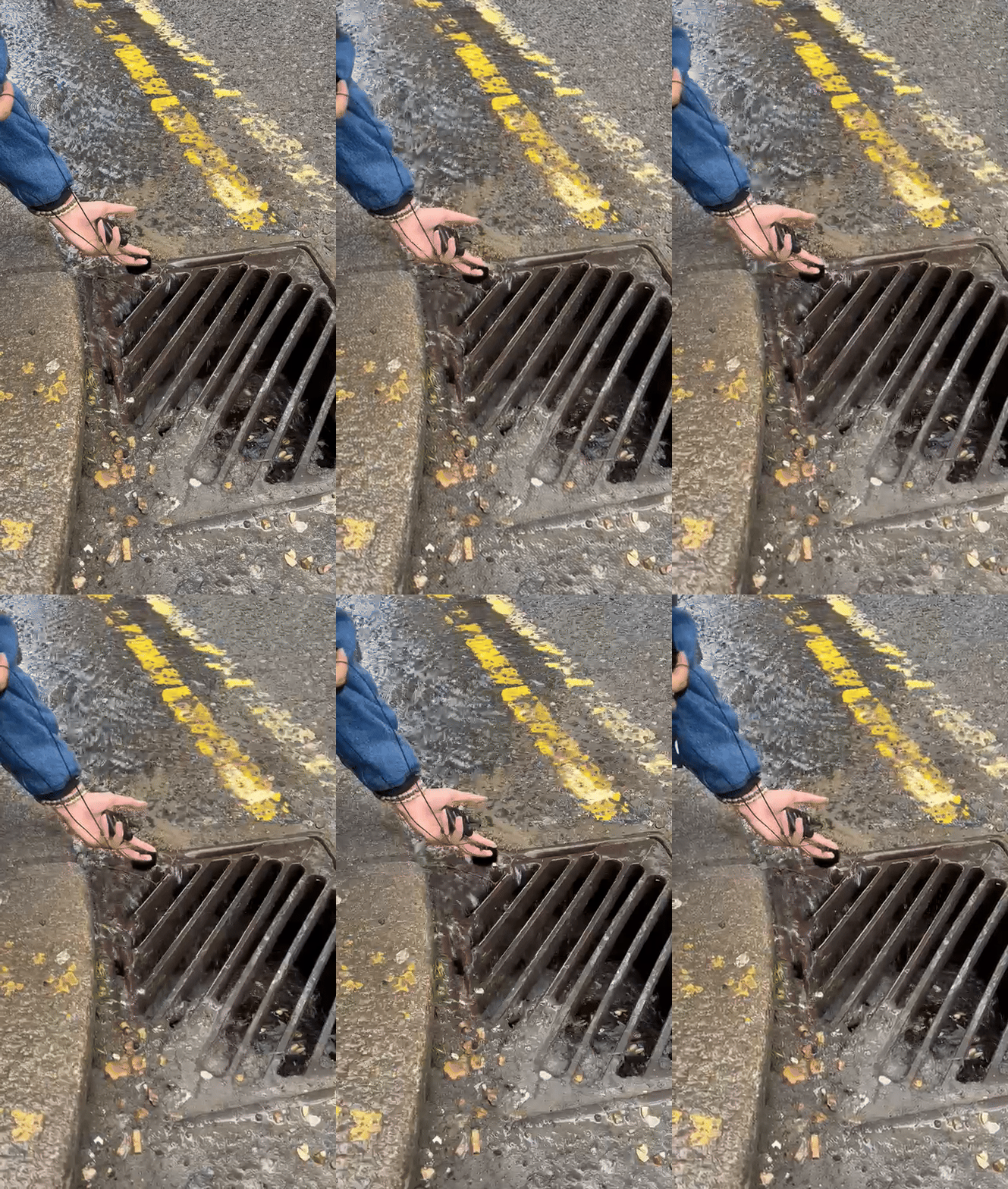
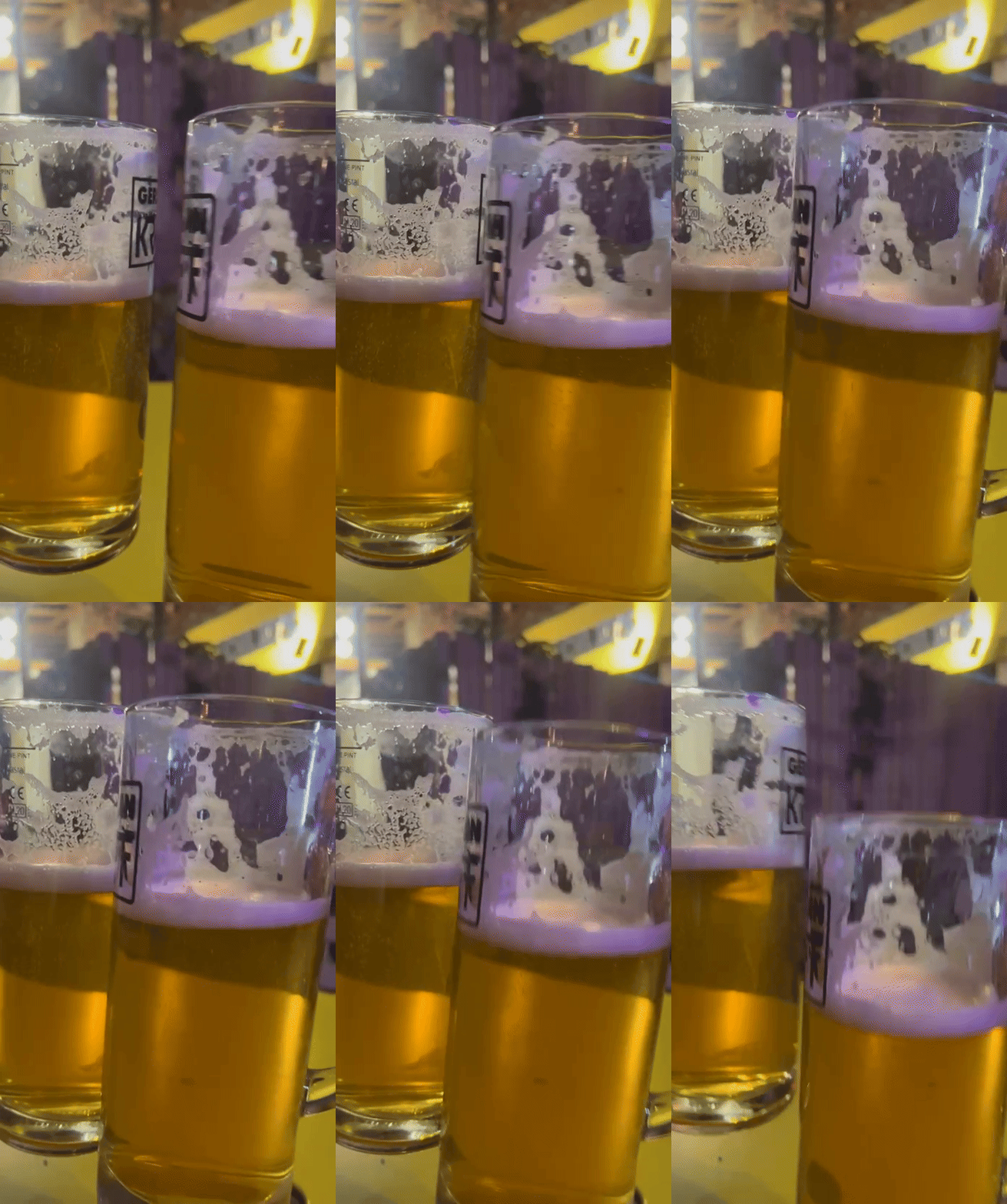
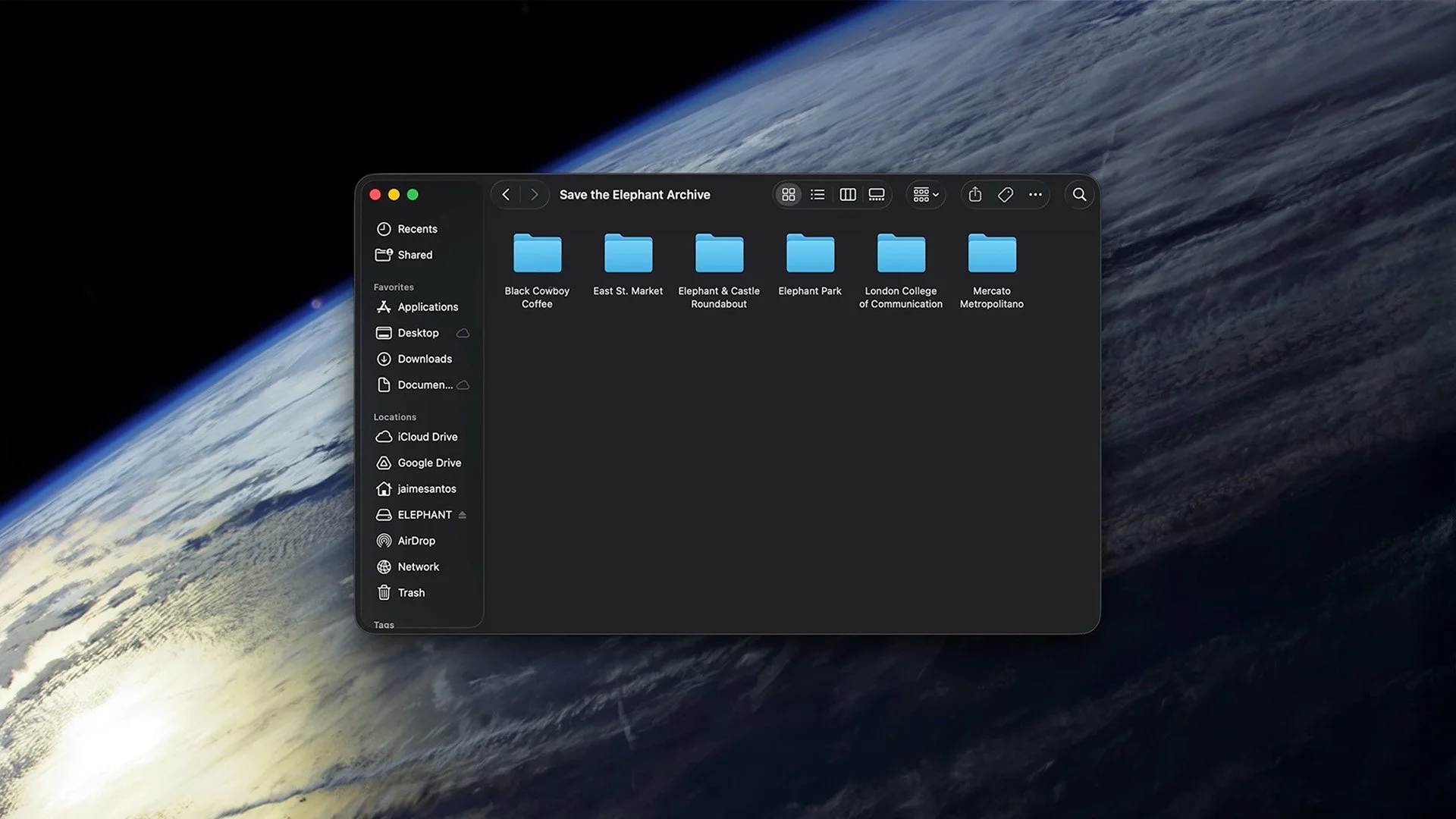
We focused on six locations. They were selected not only because they produced some of the more interesting recordings, but also because together they represent a range of urban conditions, from long-standing community spaces to recently redeveloped areas, as well as sites on the verge of closure.
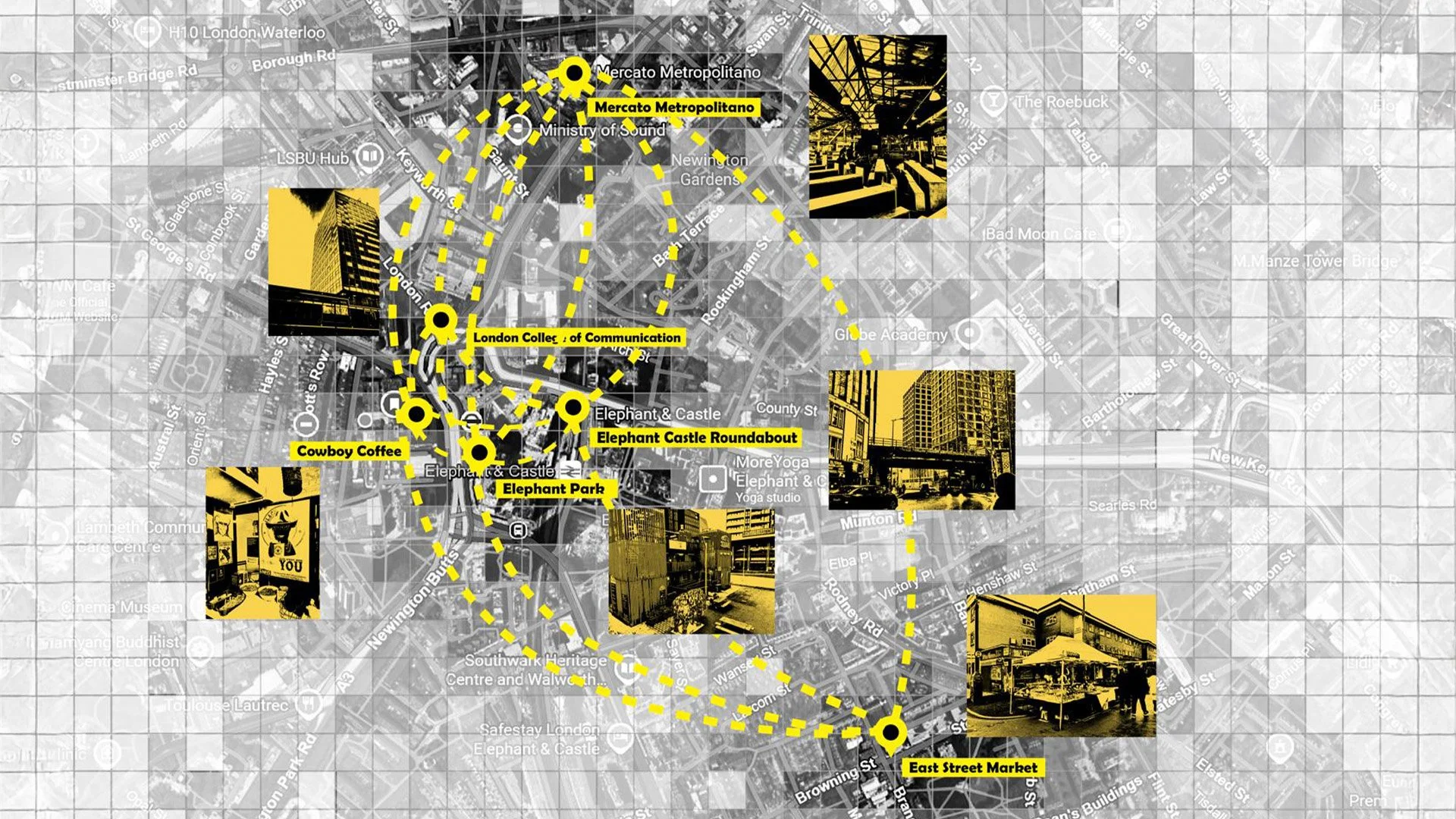
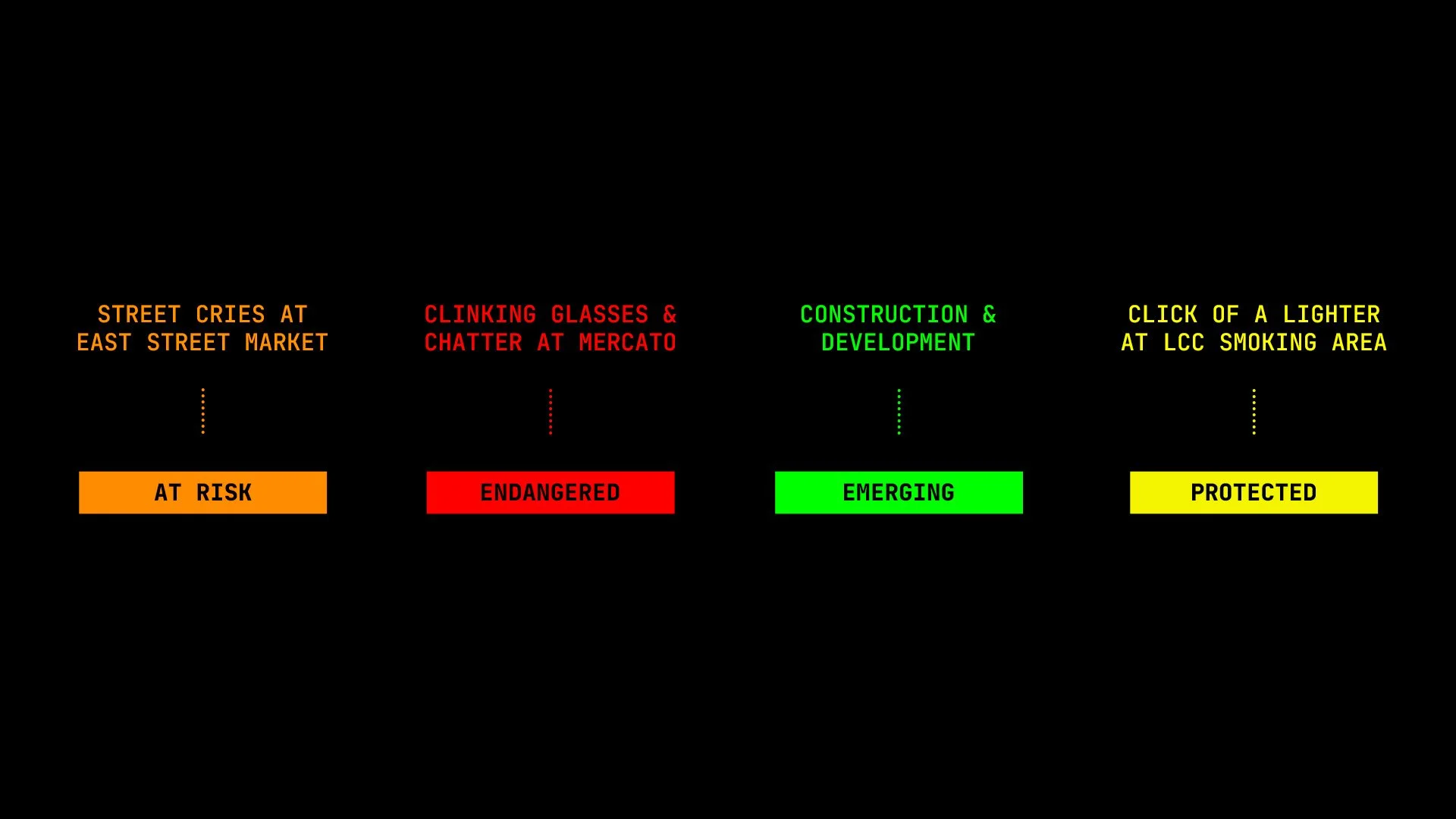
Fig. 2. Map showing the six locations: Black Cowboy Coffee, East Street Market, Mercato, Elephant Park, Elephant & Castle roundabout and LCC. Designed by Yihan Zhong.
Fig. 3. Sound classification framework categorising recordings as at risk, endangered, emerging or protected.
Inspired by the language of conservation, we categorised sounds into: protected, at risk, endangered and emerging. The recordings were analysed using a qualitative approach, drawing on our interviews to inform how the sounds were grouped. This framework allowed us to reflect on how certain sounds might disappear, persist or develop as the neighbourhood changes. For example, street cries from East Street Market were marked as at risk, reflecting traders’ concerns that the market has become quieter. With Mercato soon to be replaced by new housing developments, we categorised sounds there, like glasses clinking and chatter, as endangered.
Our feedback encouraged us to reconsider framing redevelopment sounds (i.e. construction sounds) through the negative lens of gentrification. In response, we replaced the category of threatened with emerging to acknowledge that these new sounds signal change rather than simply loss.
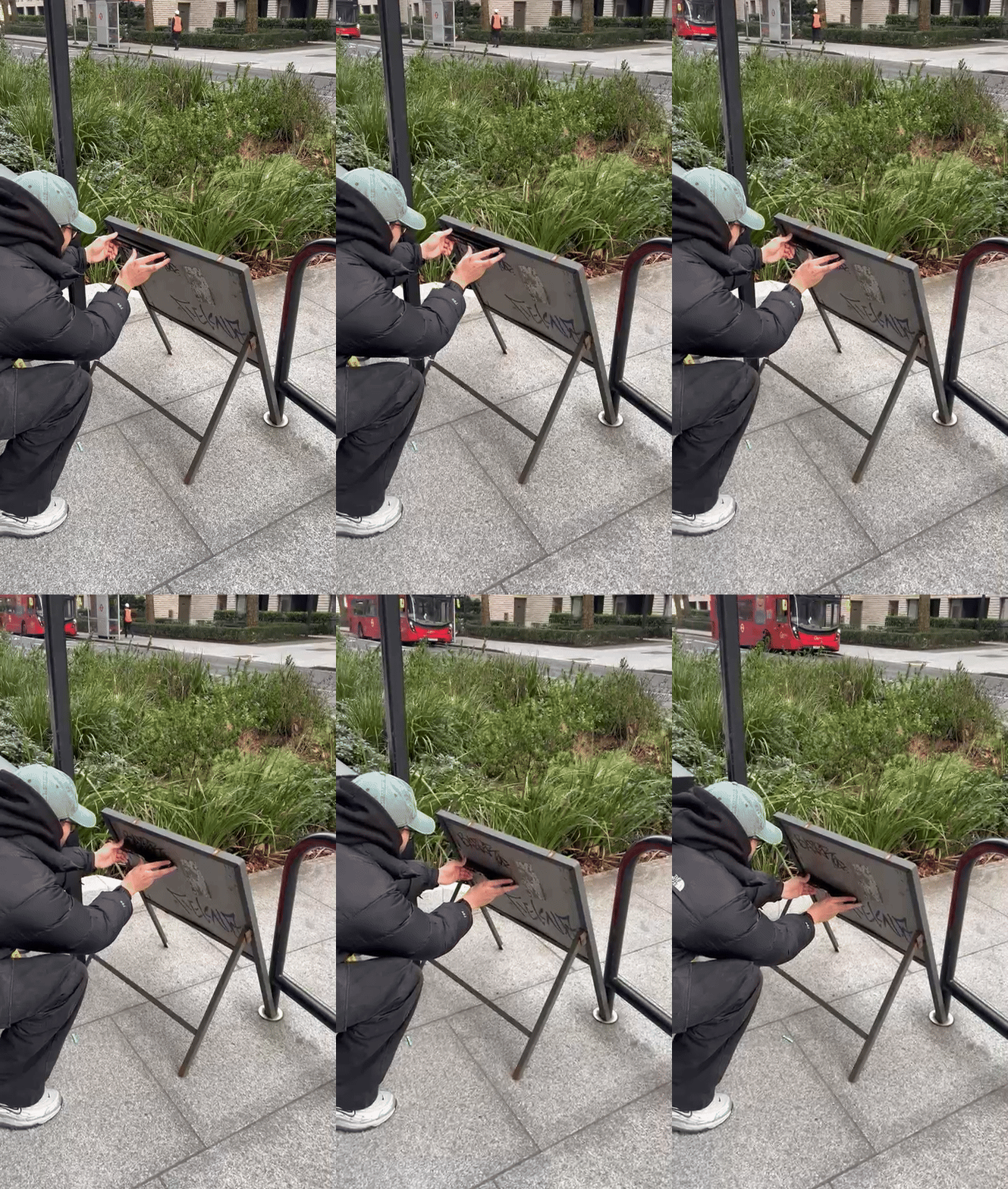
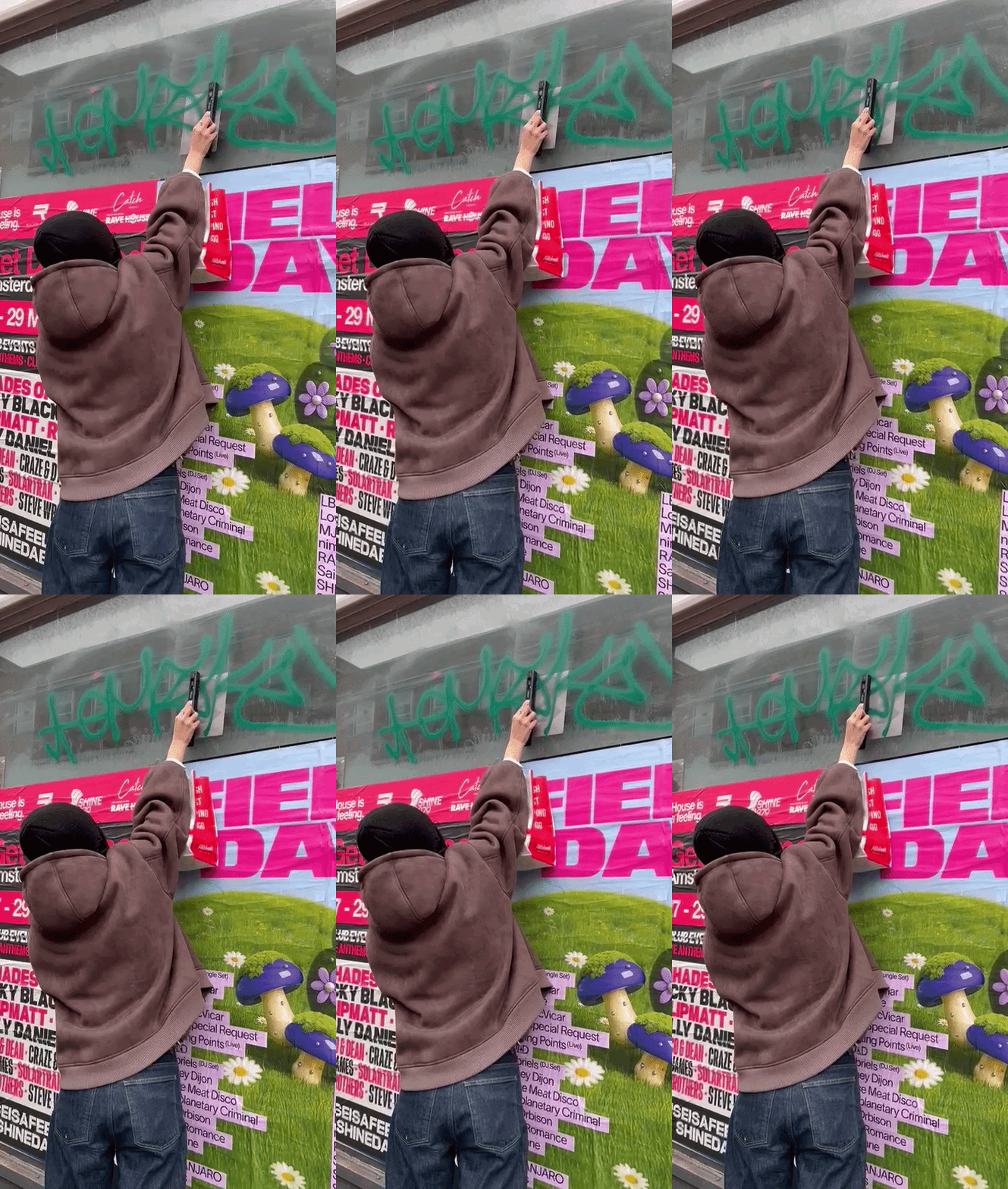
To bring the idea together and give it a cohesive identity, we documented textures from the surrounding environment to inform our visual assets, including the track list designed by Molly Wensley.
The Making
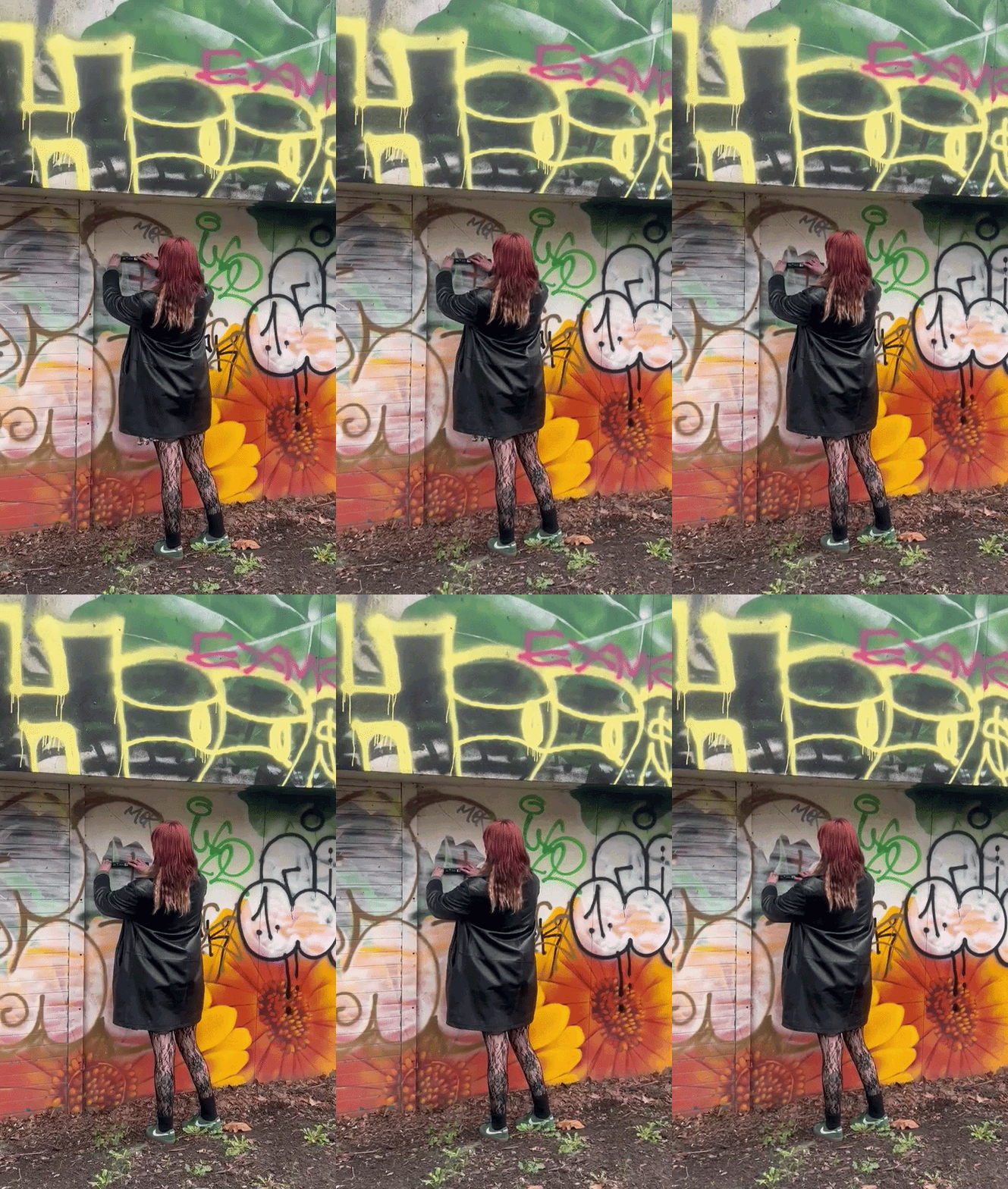
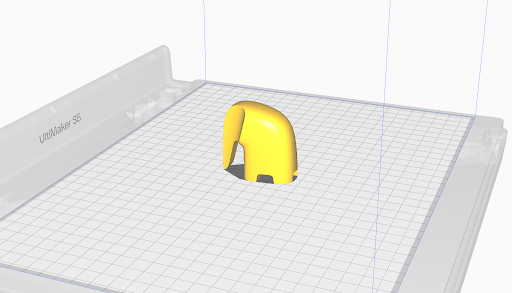
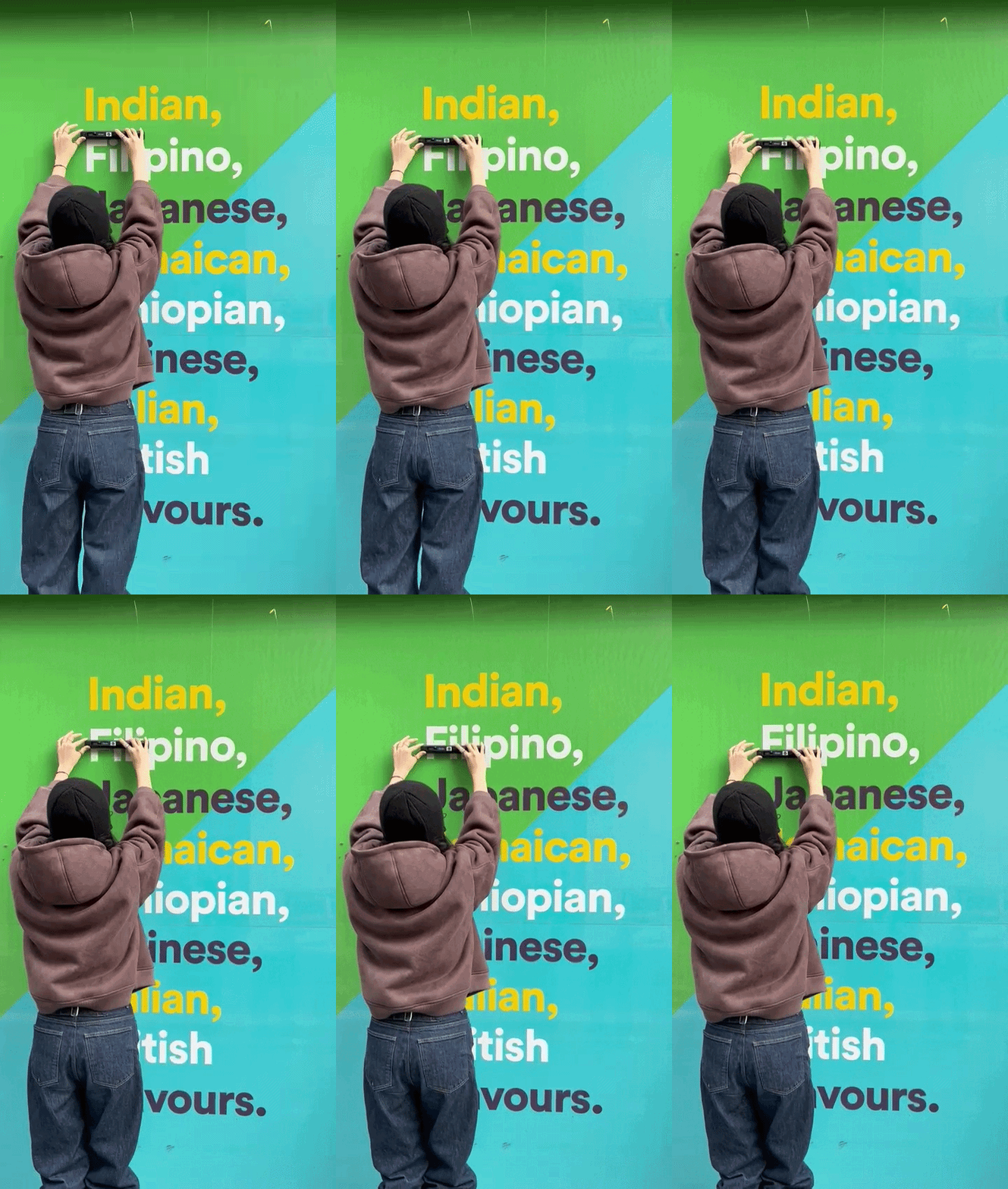
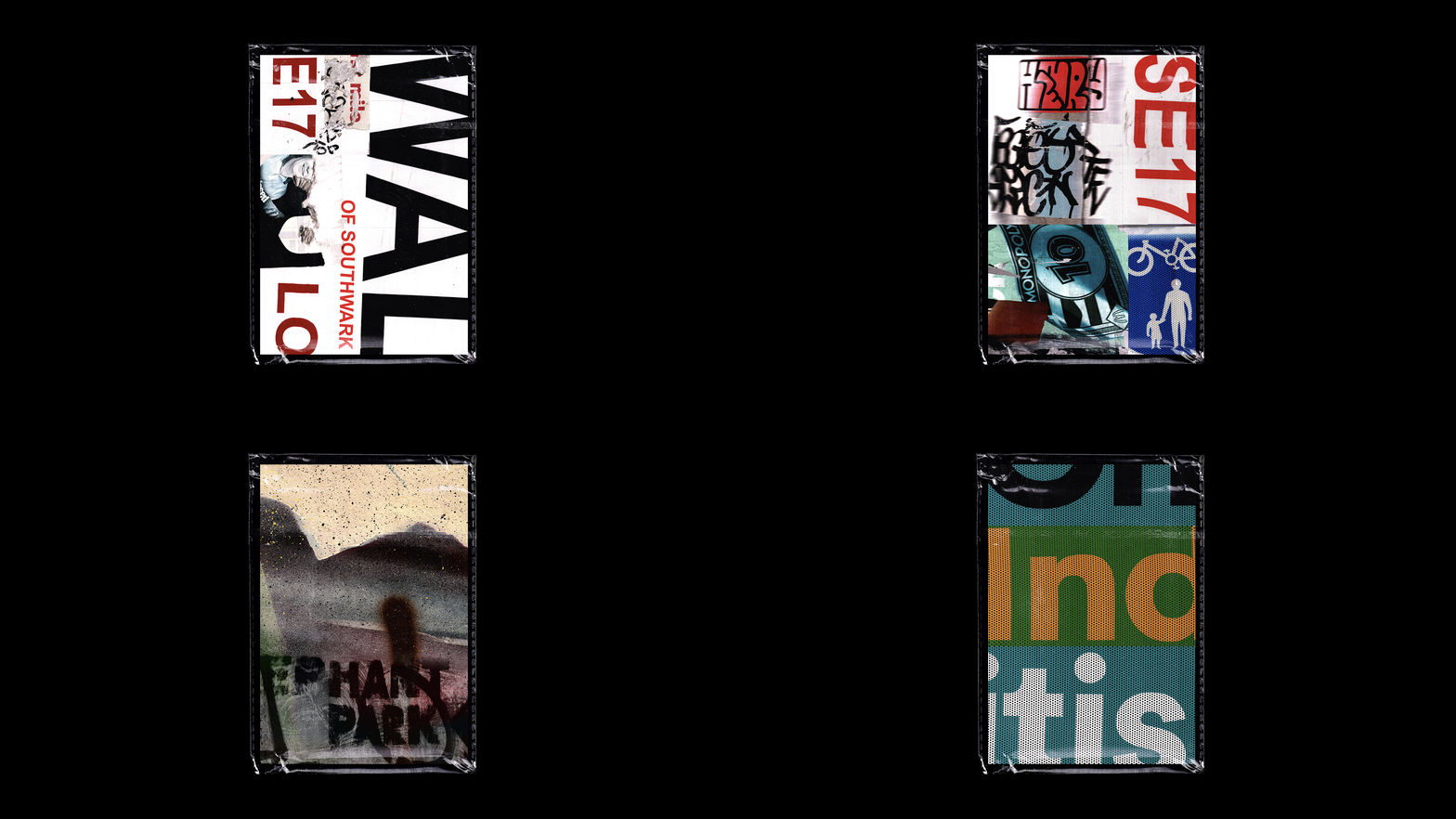
Fig. 4. Capturing the skin of the elephant with a handheld scanner. Photographed and mocked up by the author.
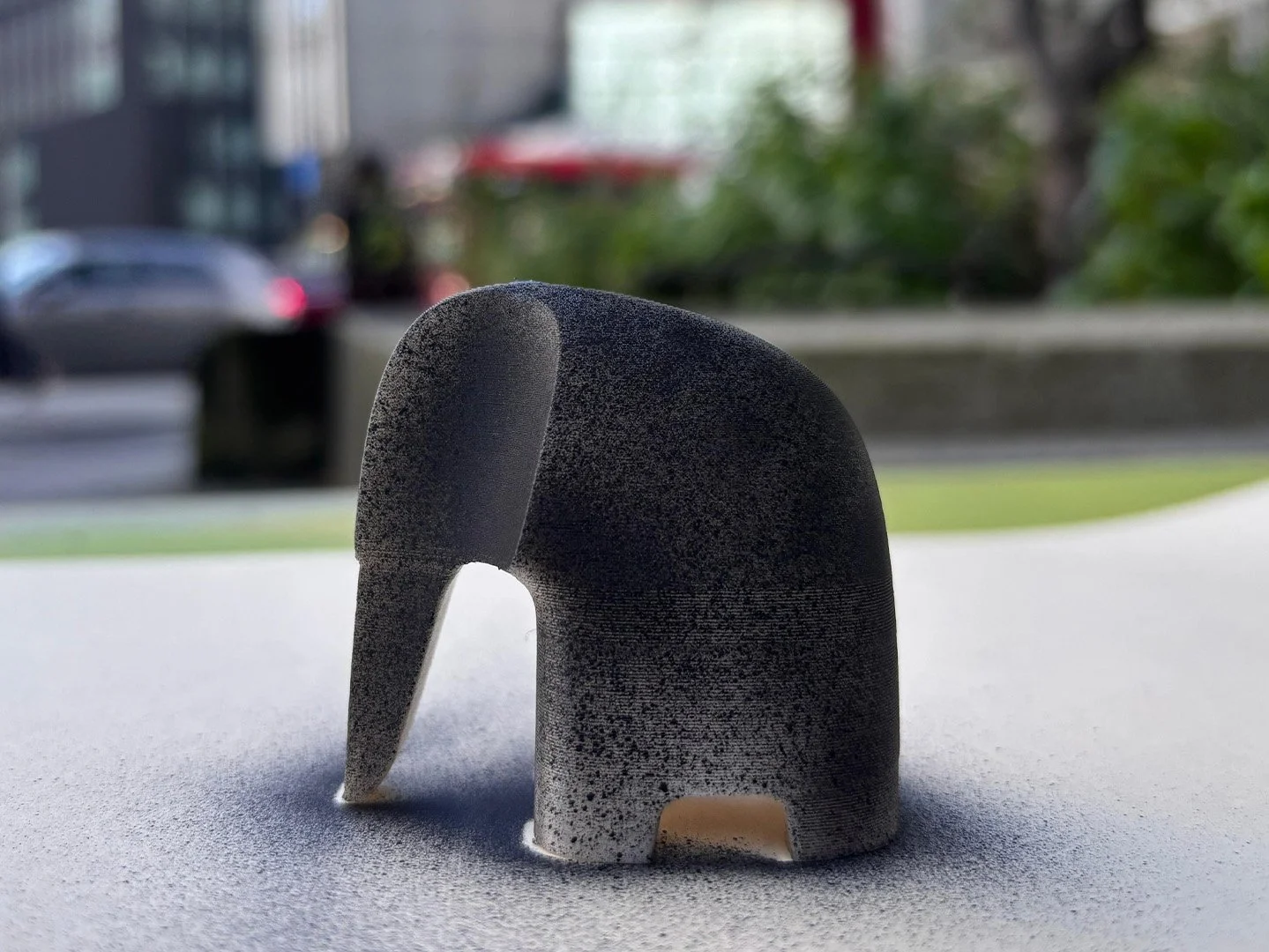

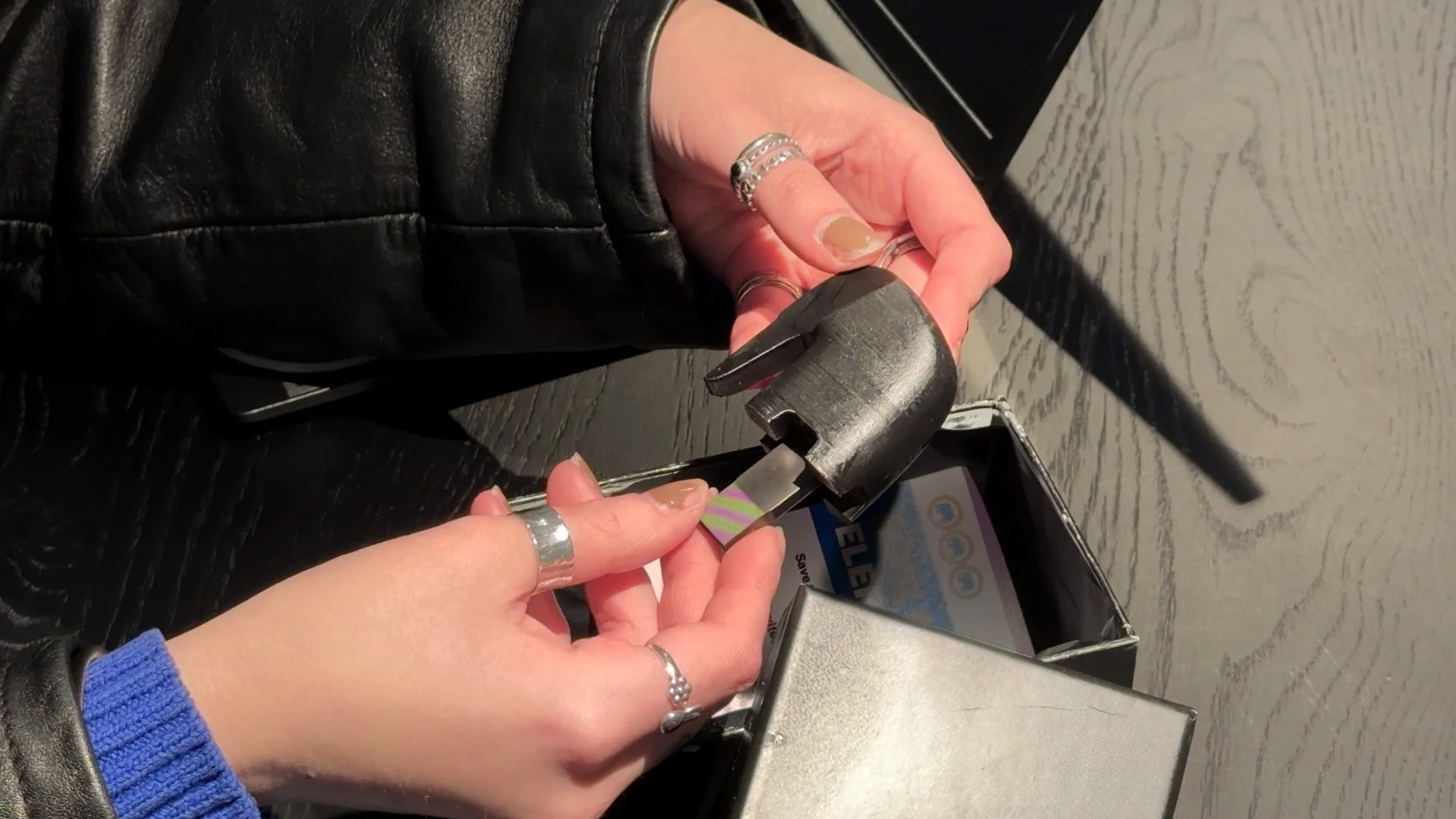
Fig. 5. The recordings were stored on a USB fitted with a 3D-printed elephant inspired by the Elephant & Castle landmark. Designed and printed by Xiyan Lou.
Outcome
The final outcome is a sound archive organised by location across Elephant & Castle, with each track labelled according to its sound conservation status. Users are invited to contribute their own recordings, allowing the archive to function as a living library of the area’s soundscape. We recently received approval from Walworth Library and are working with them to house the archive there, positioning it as a shared public resource.
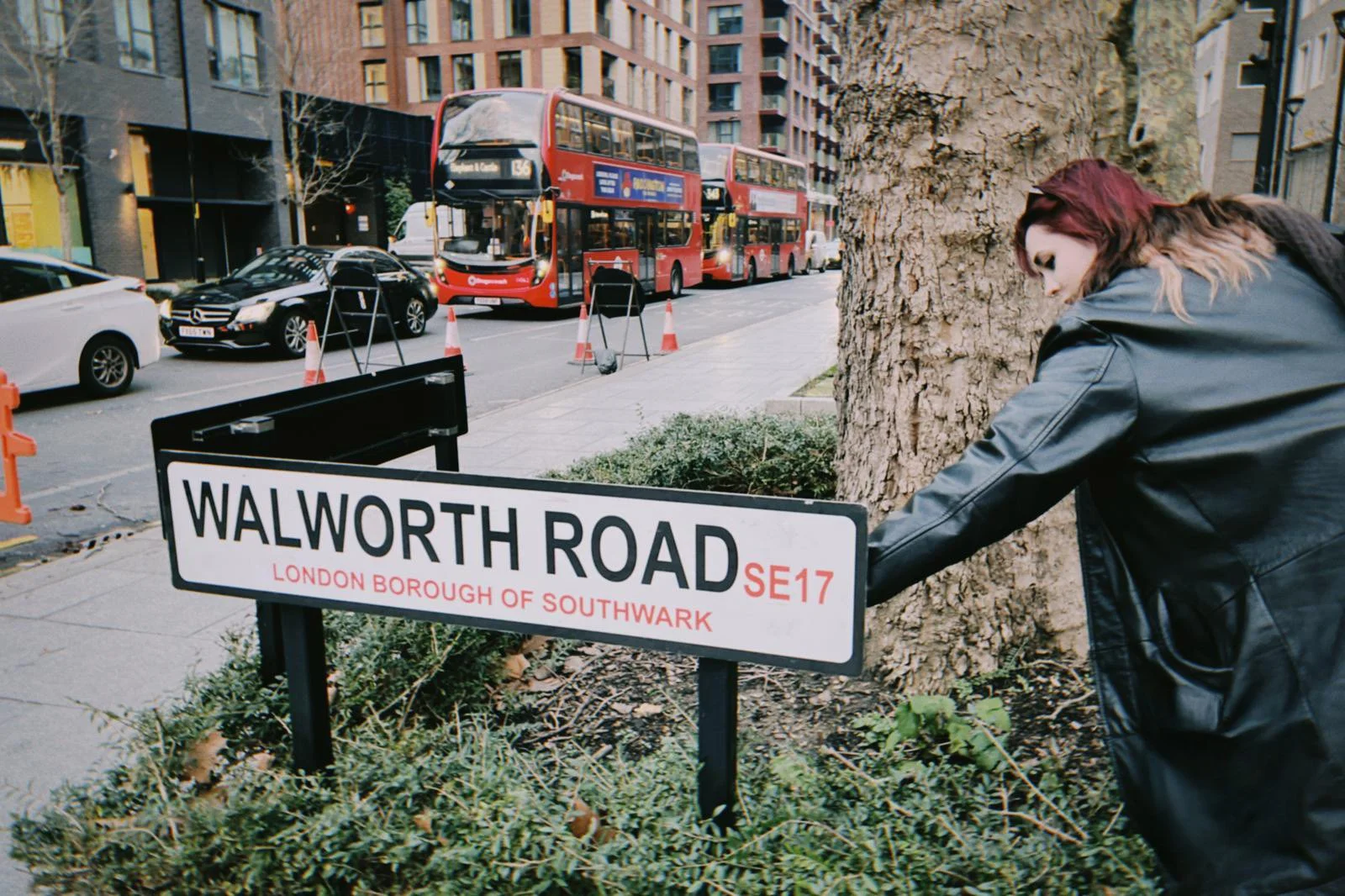
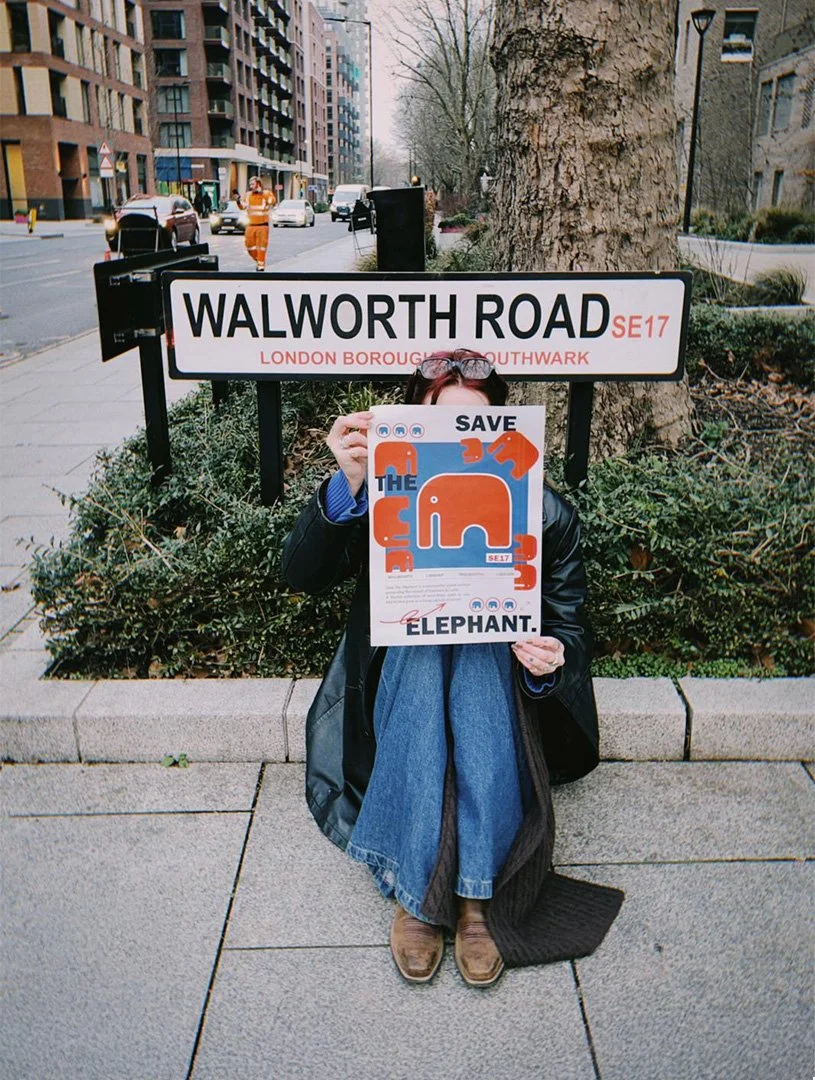
Fig. 6. Video edited by Jaime Santos Guerrero. The project was well received; however, we were encouraged to avoid AI and record our own voiceovers for future projects.
Reflection
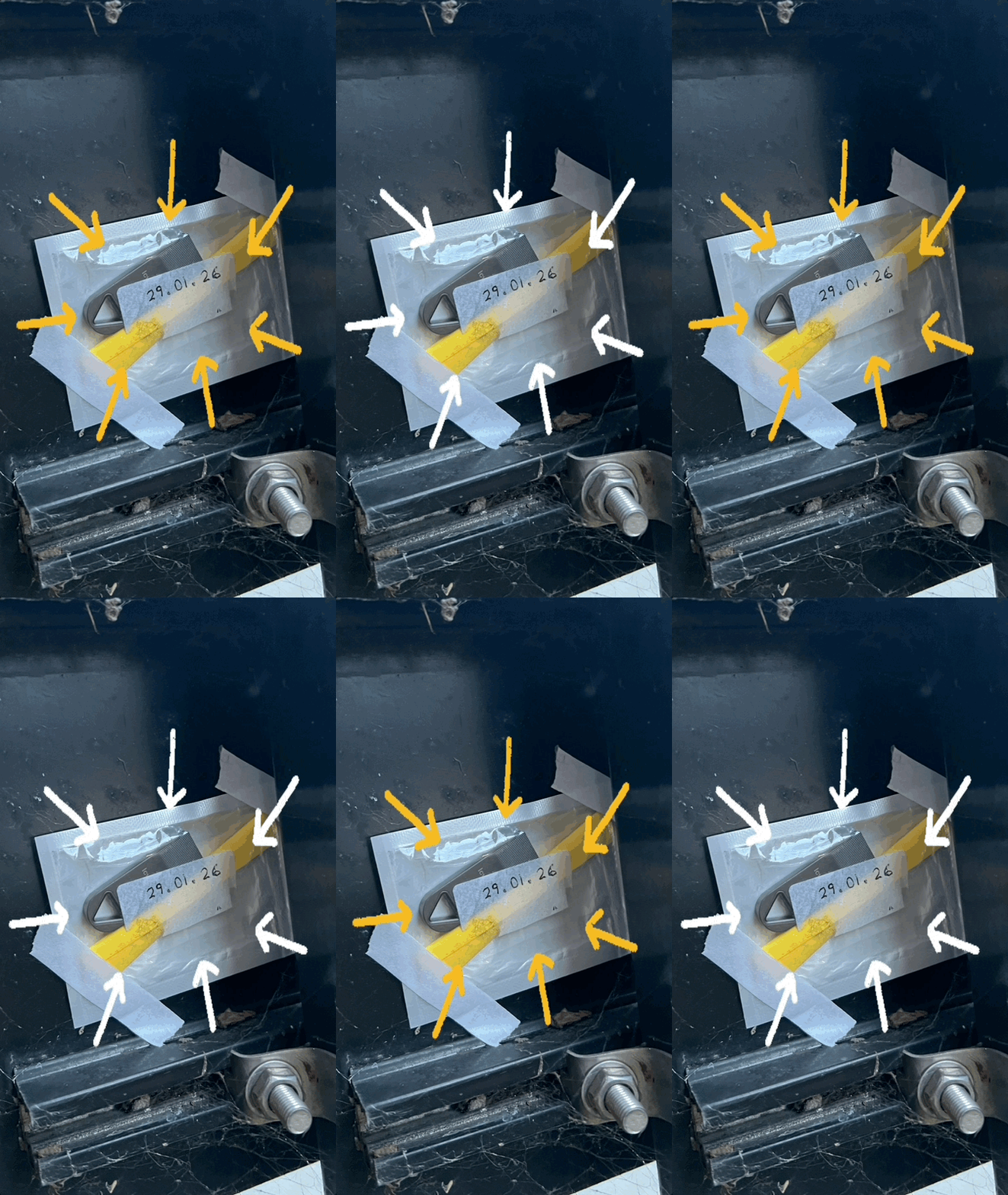
Fig. 7. A second Save the Elephant USB was hidden in the wild behind the Walworth road sign. Photographed by the author.
At the start of the brief, I assumed we would be composing sounds. However, the project became more interesting when we shifted to documenting sounds already present within the environment. This aligns with Shannon Mattern’s idea that listening can function as a method for understanding urban systems (Mattern, 2025). She suggests that sound can reveal hidden infrastructures and conditions within a city. In this way, the archive captures Elephant & Castle during a moment of transition, showing how the soundscape can be just as powerful an indicator of urban activity as the physical landscape.
References:
Mattern, S. (2025) ‘Listening to infrastructures’. In: Bansac, V., Fritsch, M., Loumeau, A. and Szendy, P. (eds.) Ecotones: Investigating sounds and territories. Berlin: Spector Books, pp. 115–133.