Sep 22 - Oct 02 · Week Two · Studio Practices
The UX of Human Senses
Revati Banerji I MA UX Design I London College of Communication
Brief: Design a dance experience based on a specific location
Team: Shuairuge Shu · Mingyu Chen · Merrin O’Connor · Aishwarya Saji · Yifei Huang
Our brief was to explore the genius loci or the unique spirit of Twinings and translate it into a dance experience.
Aaron McPeake’s advice, “Everywhere Being Is Dancing” by Robert Bringhurst, encouraged us to notice movement in everyday actions. We began with individual explorations and I started by observing our movements at Twinings. The shop’s narrow environment shaped how we moved. Navigating the delicate space heightened our awareness of our bodies and proprioception. Walking past the shop, then turning back after being drawn in by the scent of tea, opening and closing its interactive drawers and lifting cups to our mouths to taste the tea felt like a sequence of dance steps.
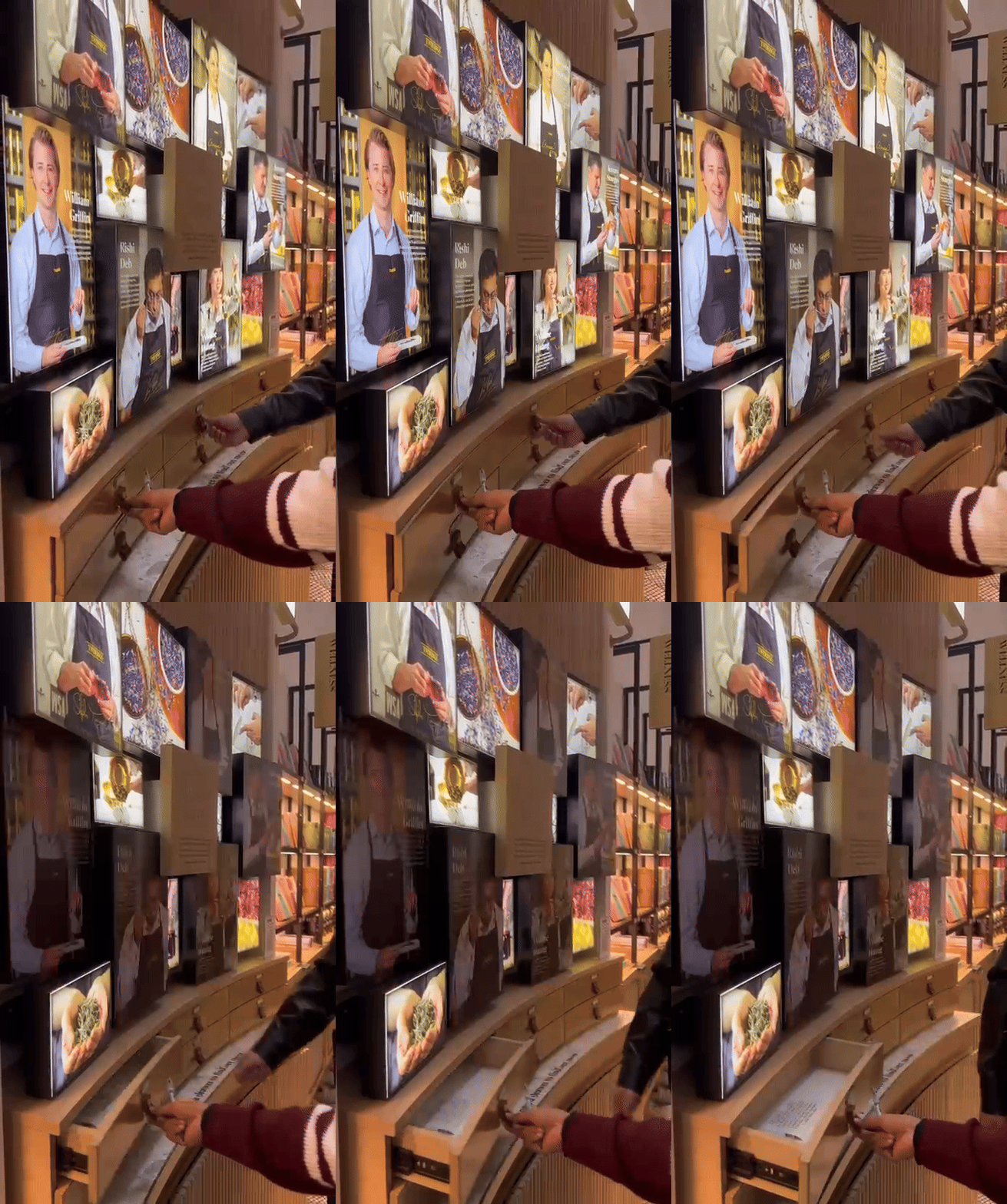
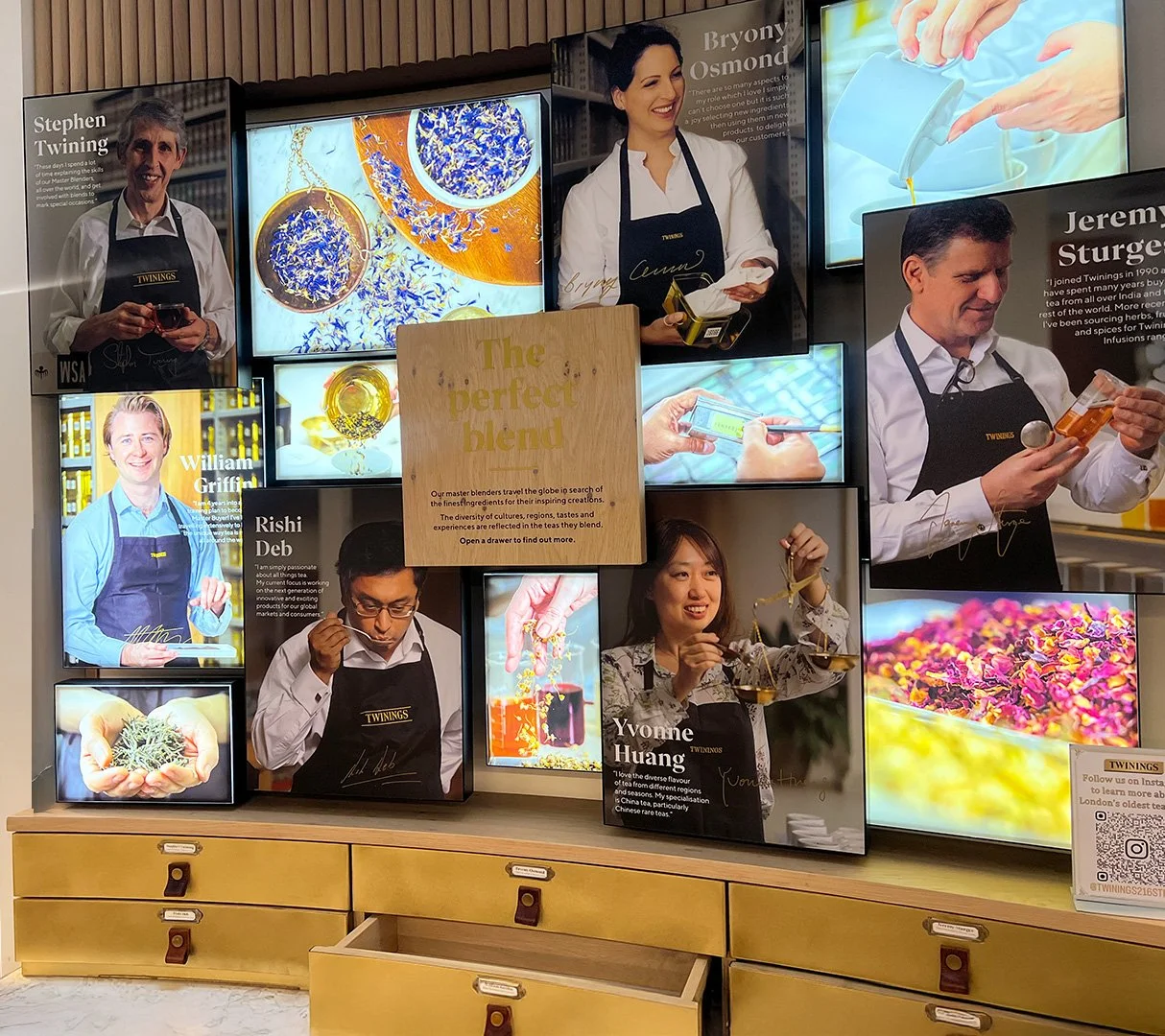
Fig. 2. Opening the Interactive drawers triggered stories by Twining tea experts. Photography by author and Merrin O’Connor.
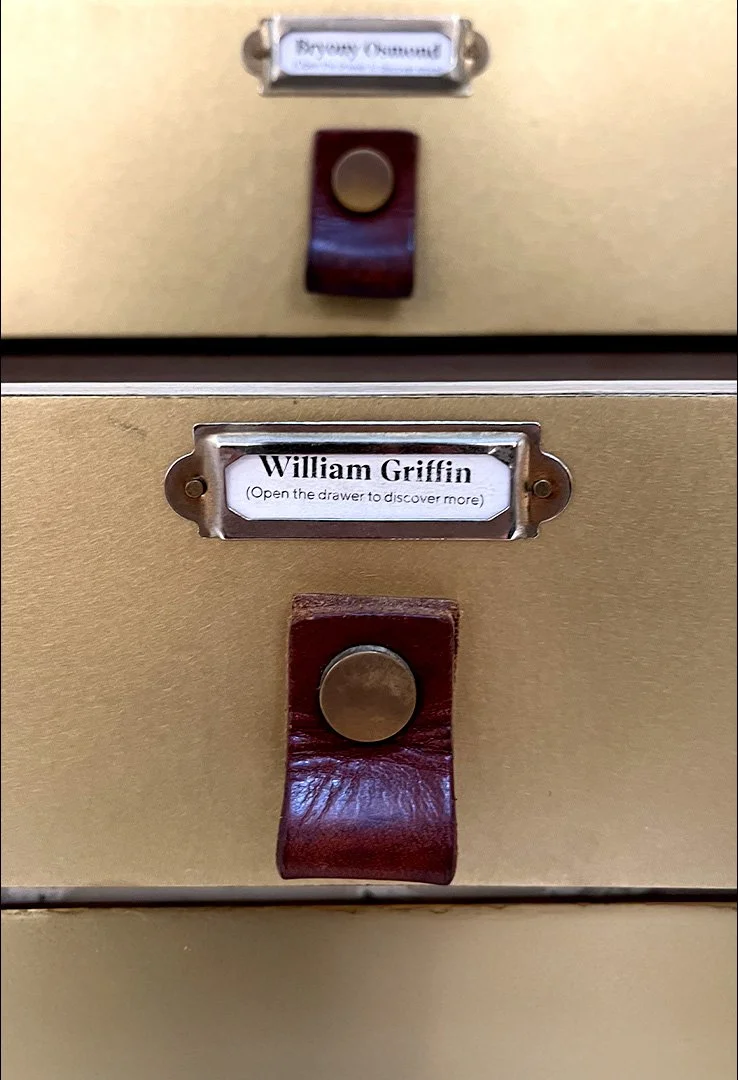
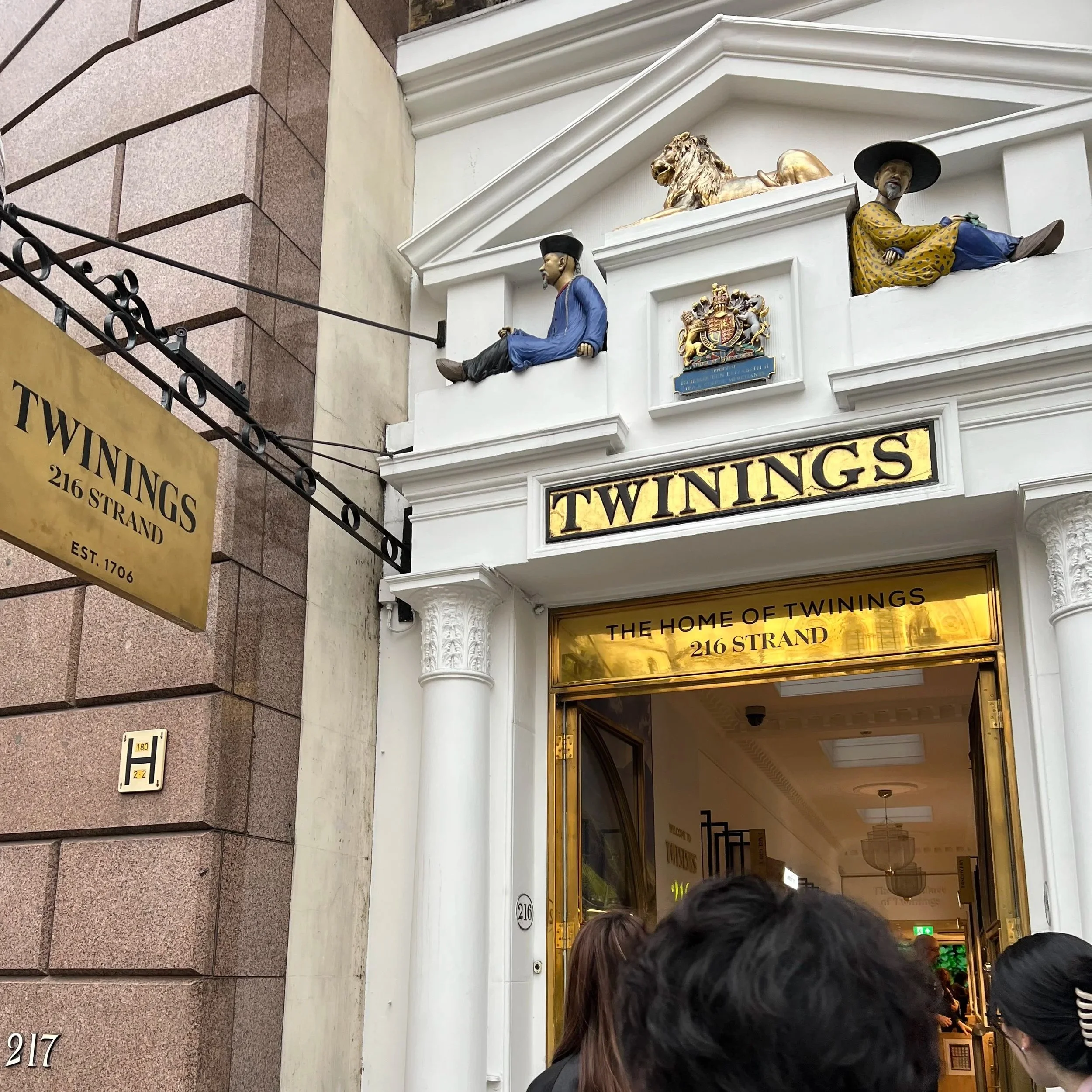
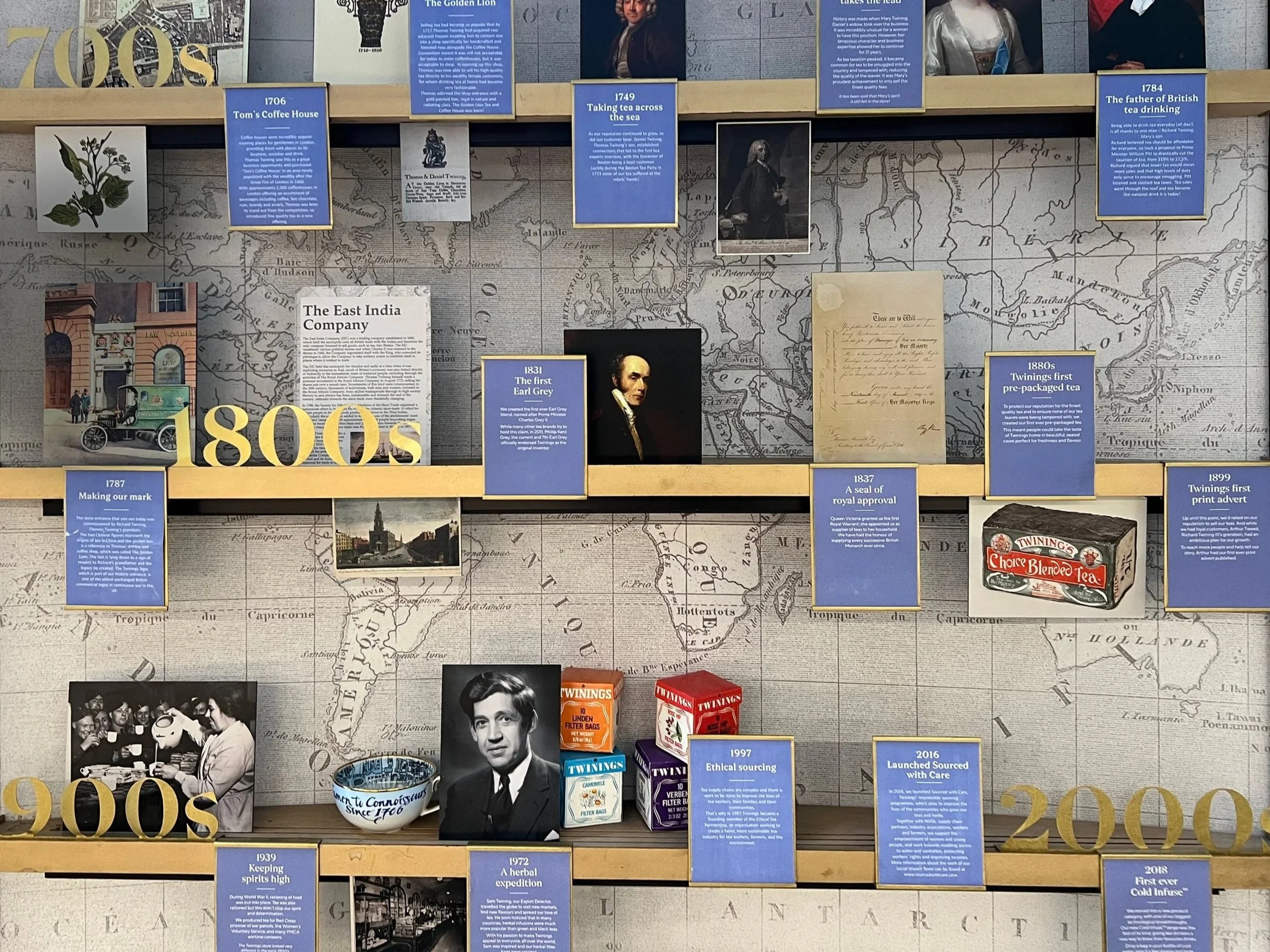
Fig. 1. Twining store showcases its history, photography by author. Tea tasting experience, photography by Shuairuge Shu.
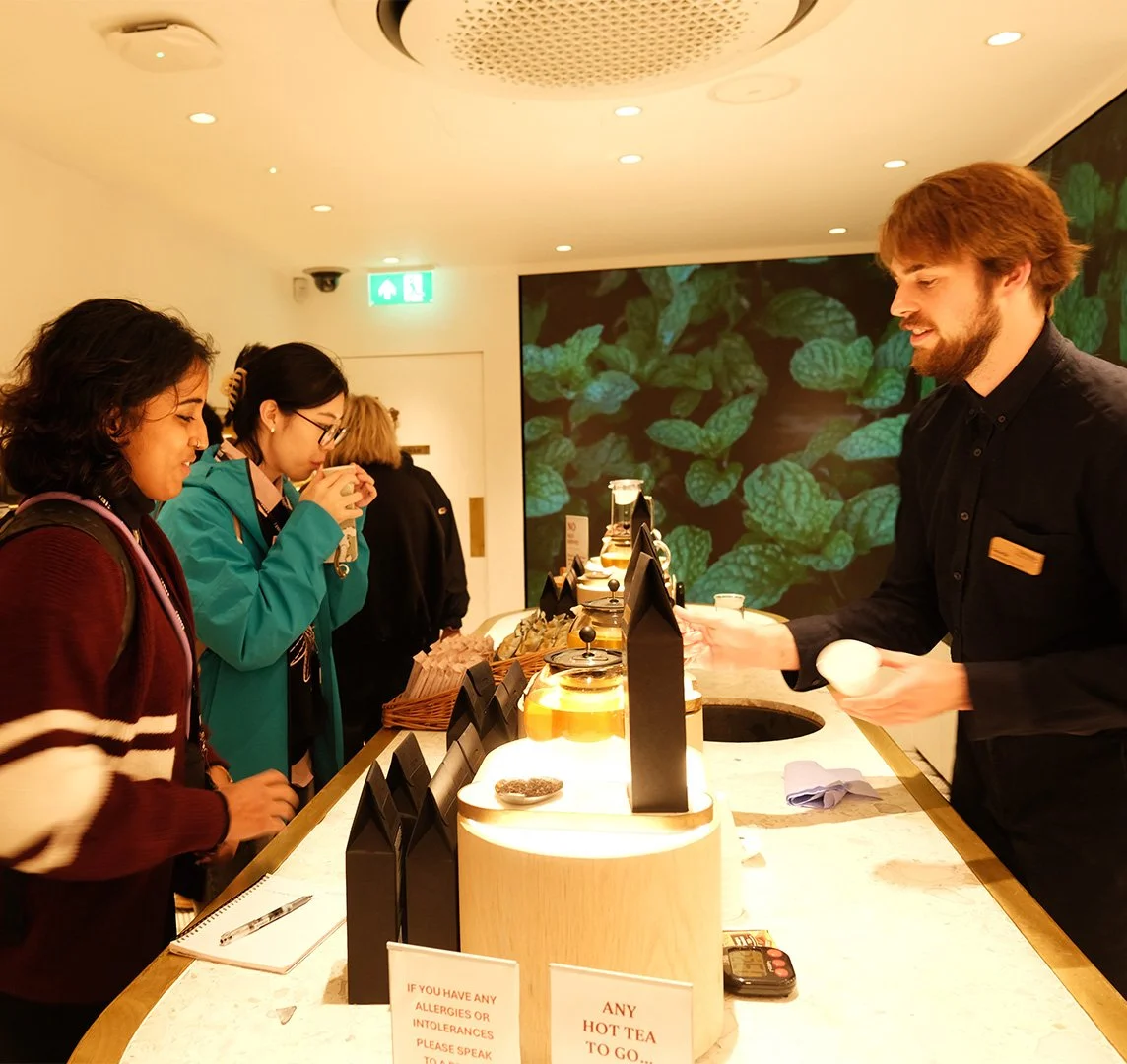
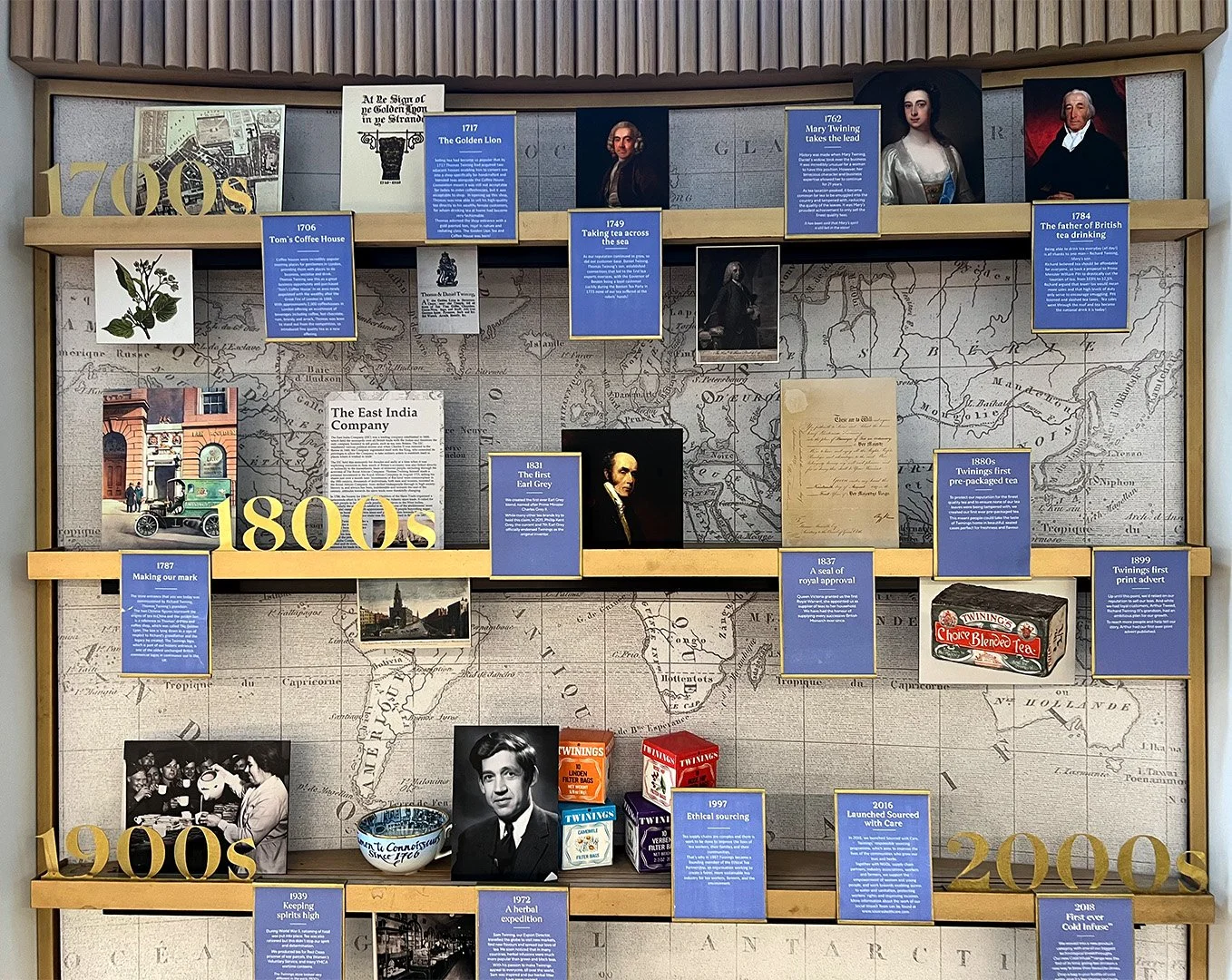
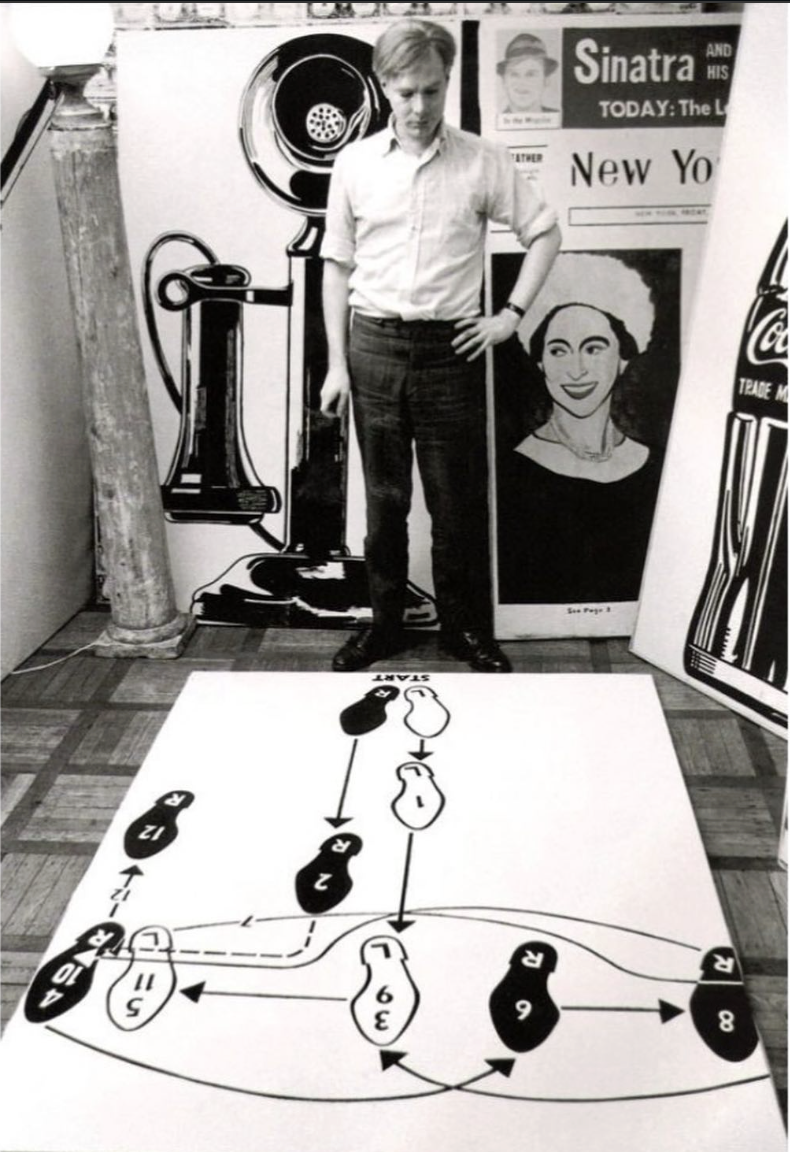
Inspired by Andy Warhol’s Dance Diagram series, I explored a choreography shaped by the spatial and sensory interactions of the Twinings store.
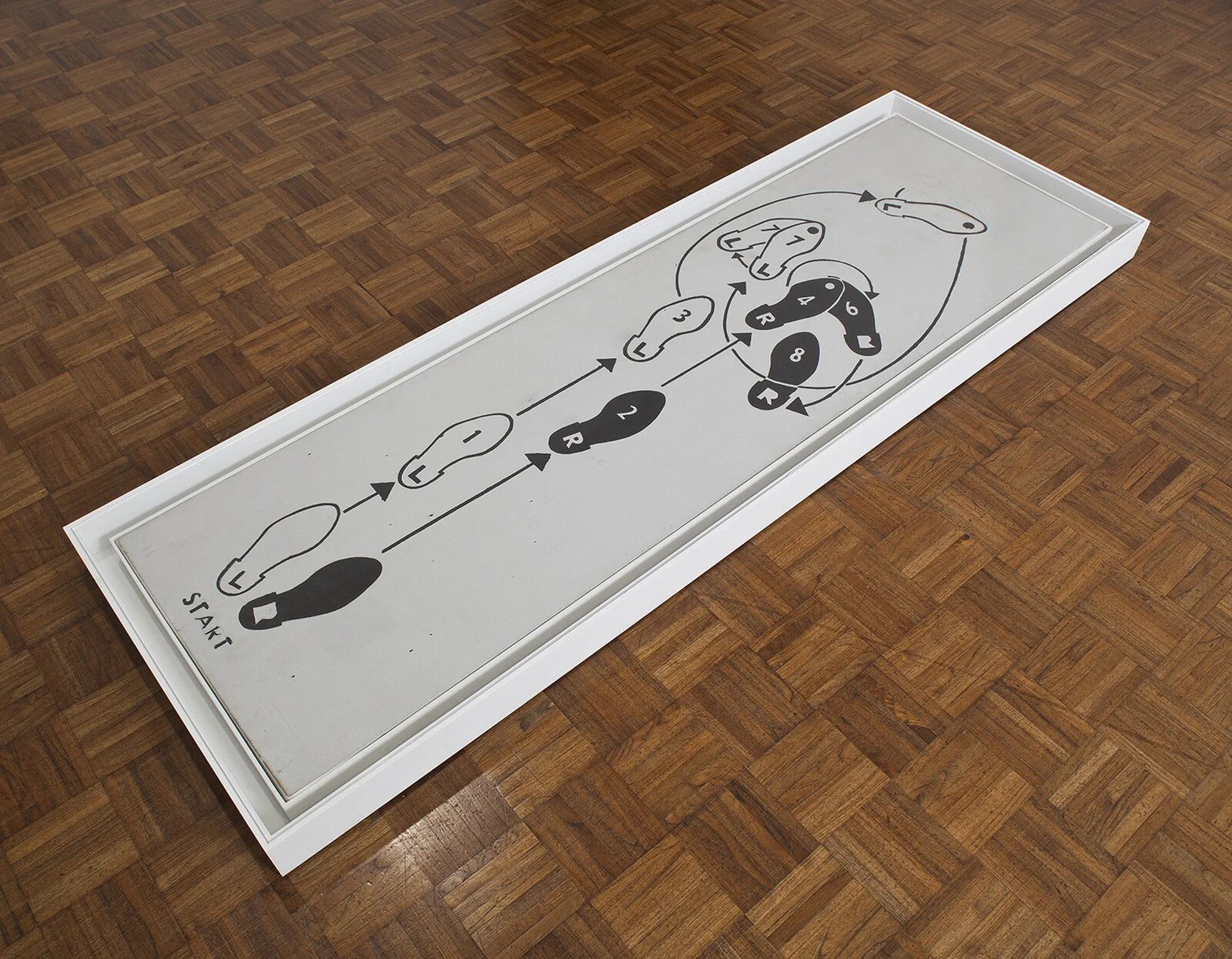

Fig. 3. Warhol, Dance Diagram, 5, 1962.
Solo Exploration
Step 01 — Enter
Walk > Smell > Turn

Step 02 — Drawer
Extend > Hold > Pull
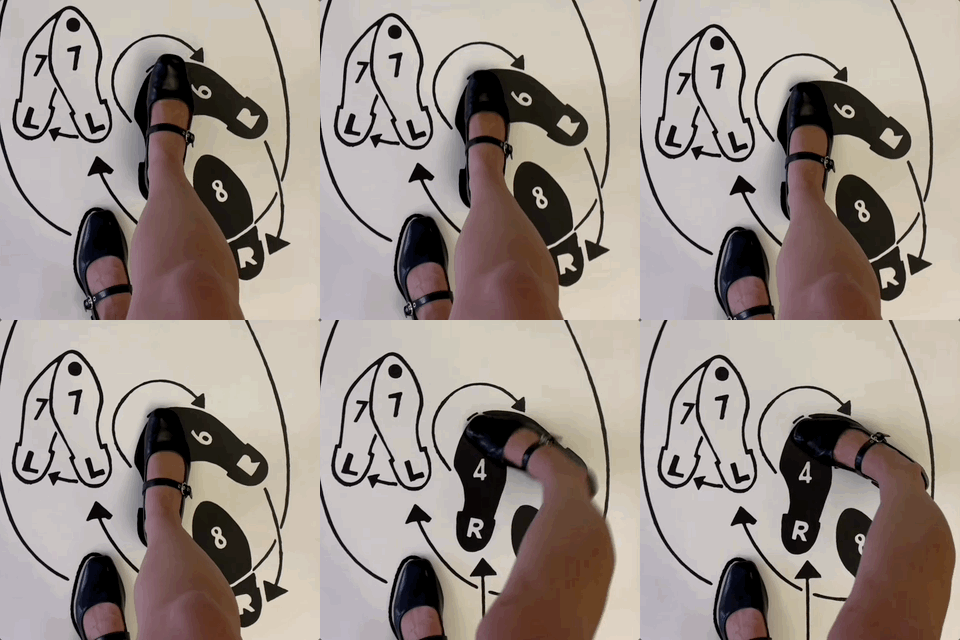
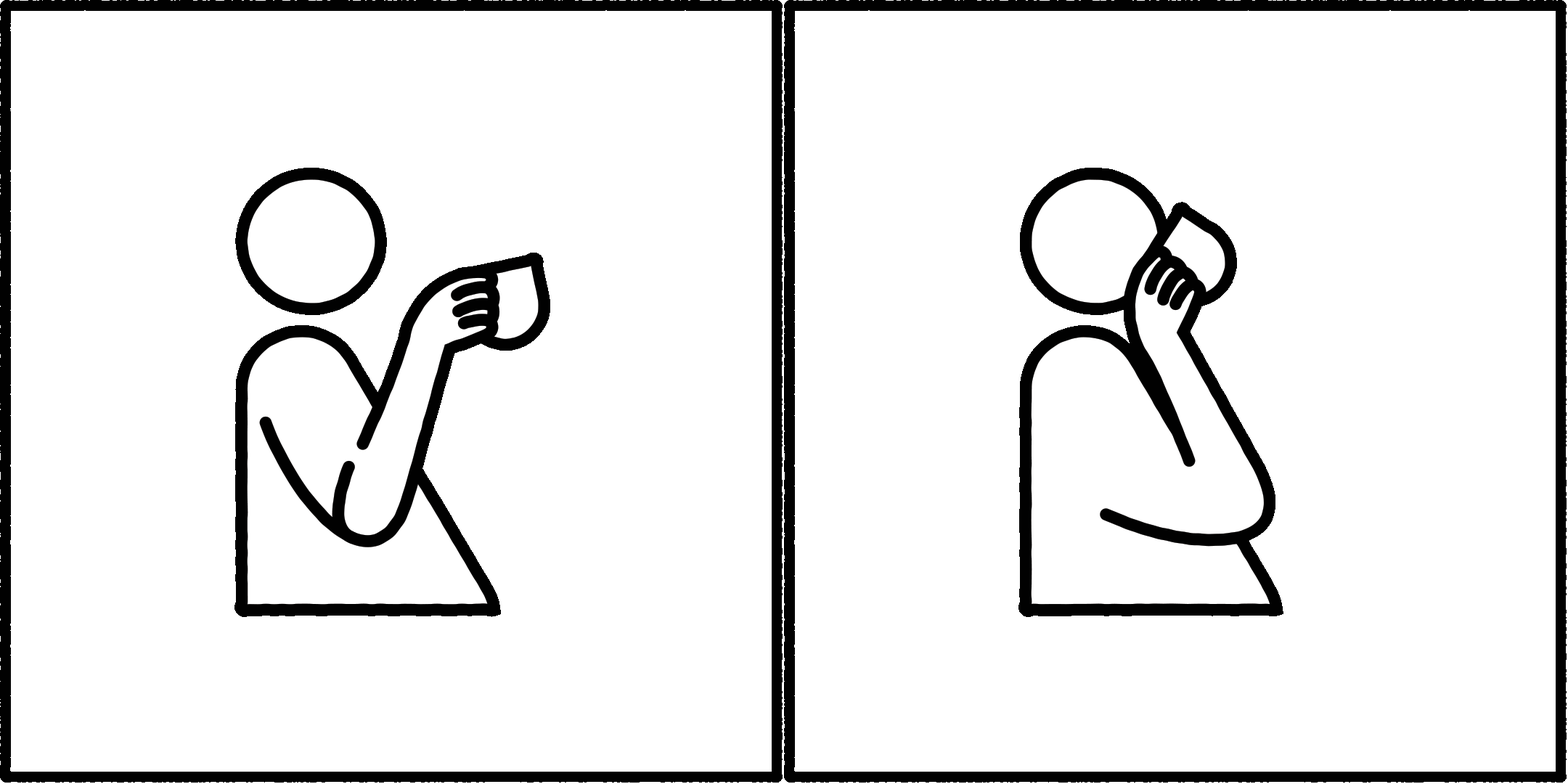
Step 03 — Taste
Hold > Lift > Taste
Fig. 4. I imagined choreography inspired by the Twining experience and Warhol, illustrations by author.
Prototype
As a group, we decided to create a cardboard structure similar to the corridor of the store, which participants could move through. We stapled teabags at the entrance to emphasise the scent of tea, followed by other sensory cues such as feel, touch and taste. Our tutorial feedback was that the idea was too broad and literal, encouraging us to focus on a specific observation.
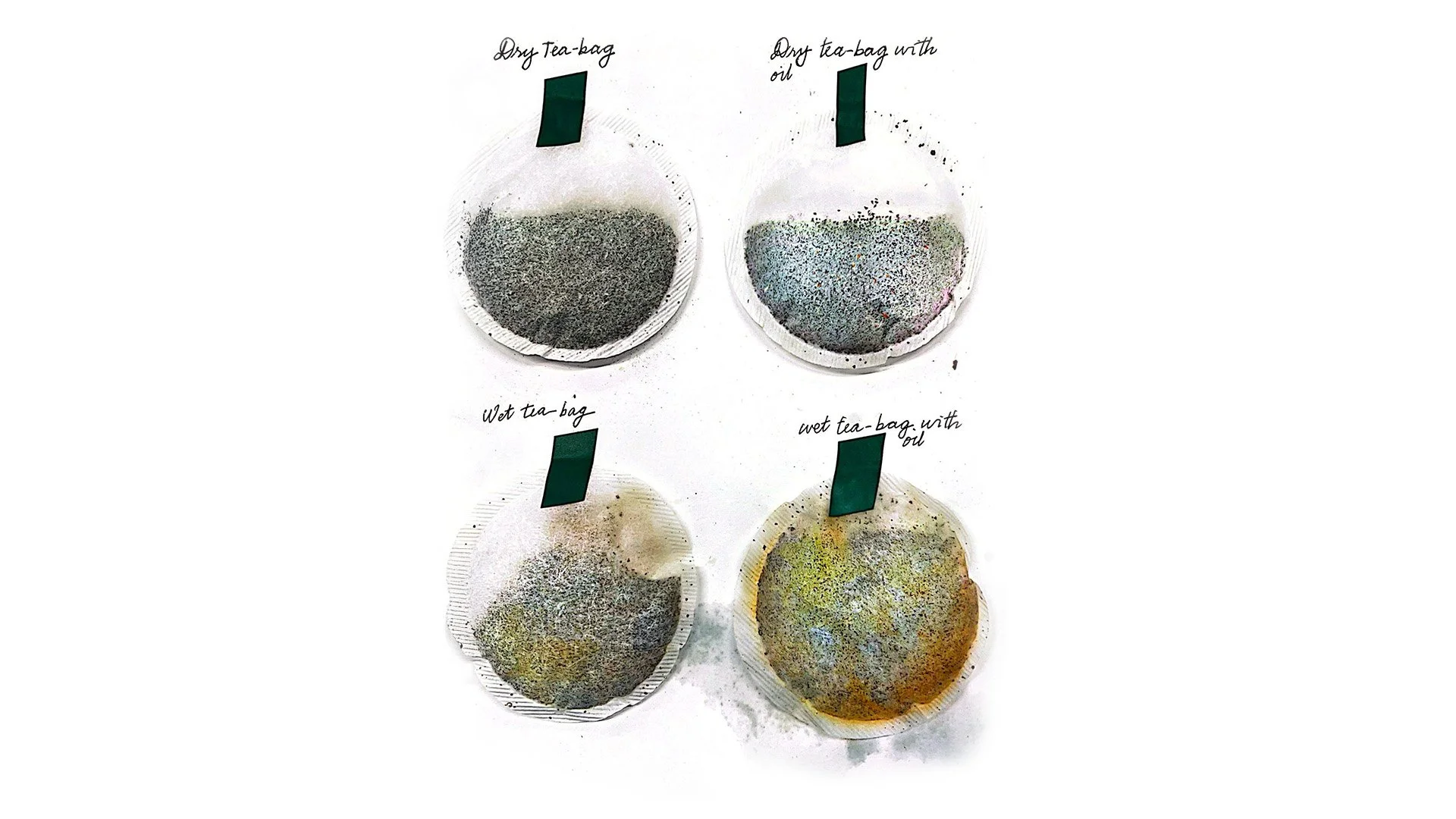

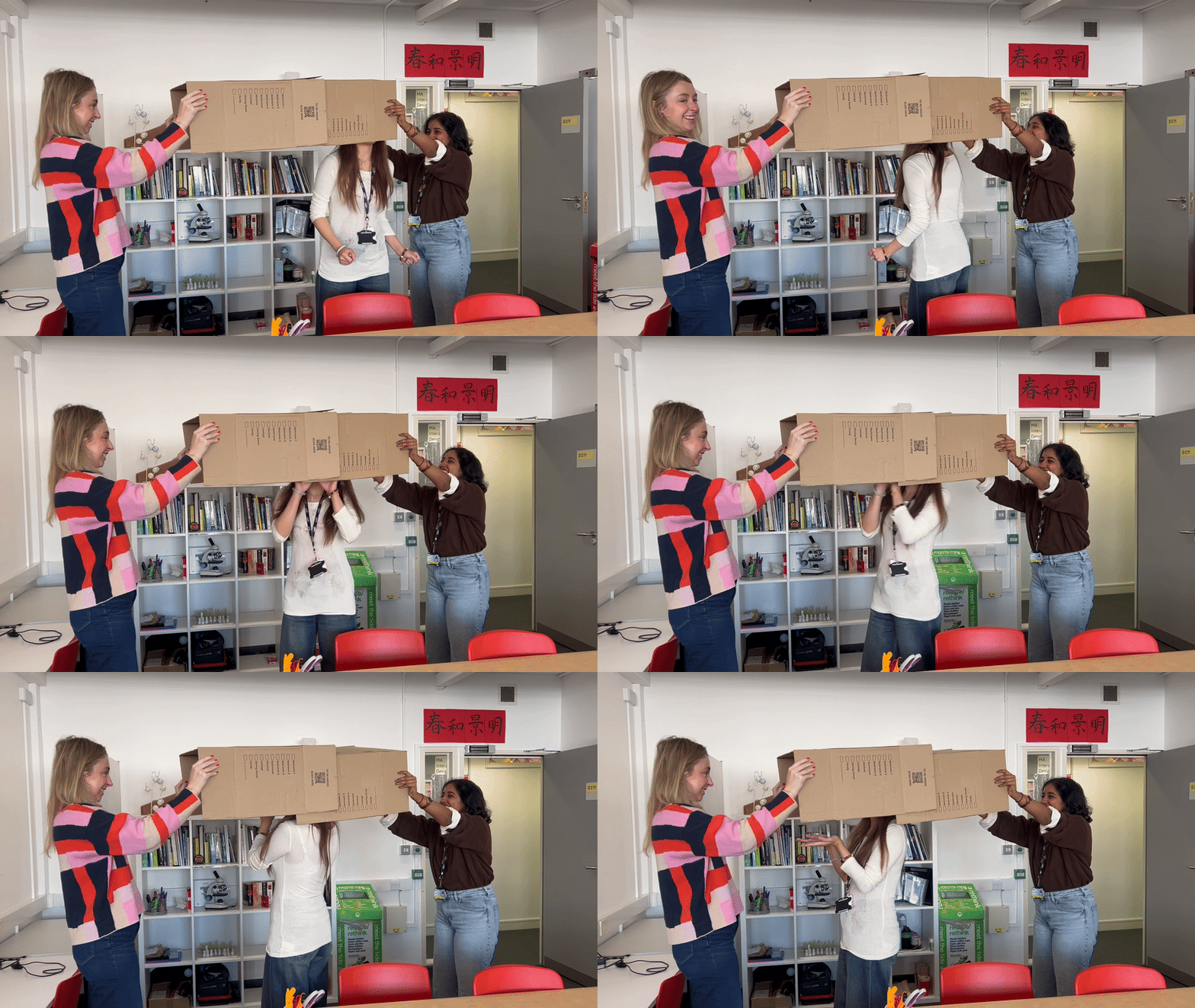

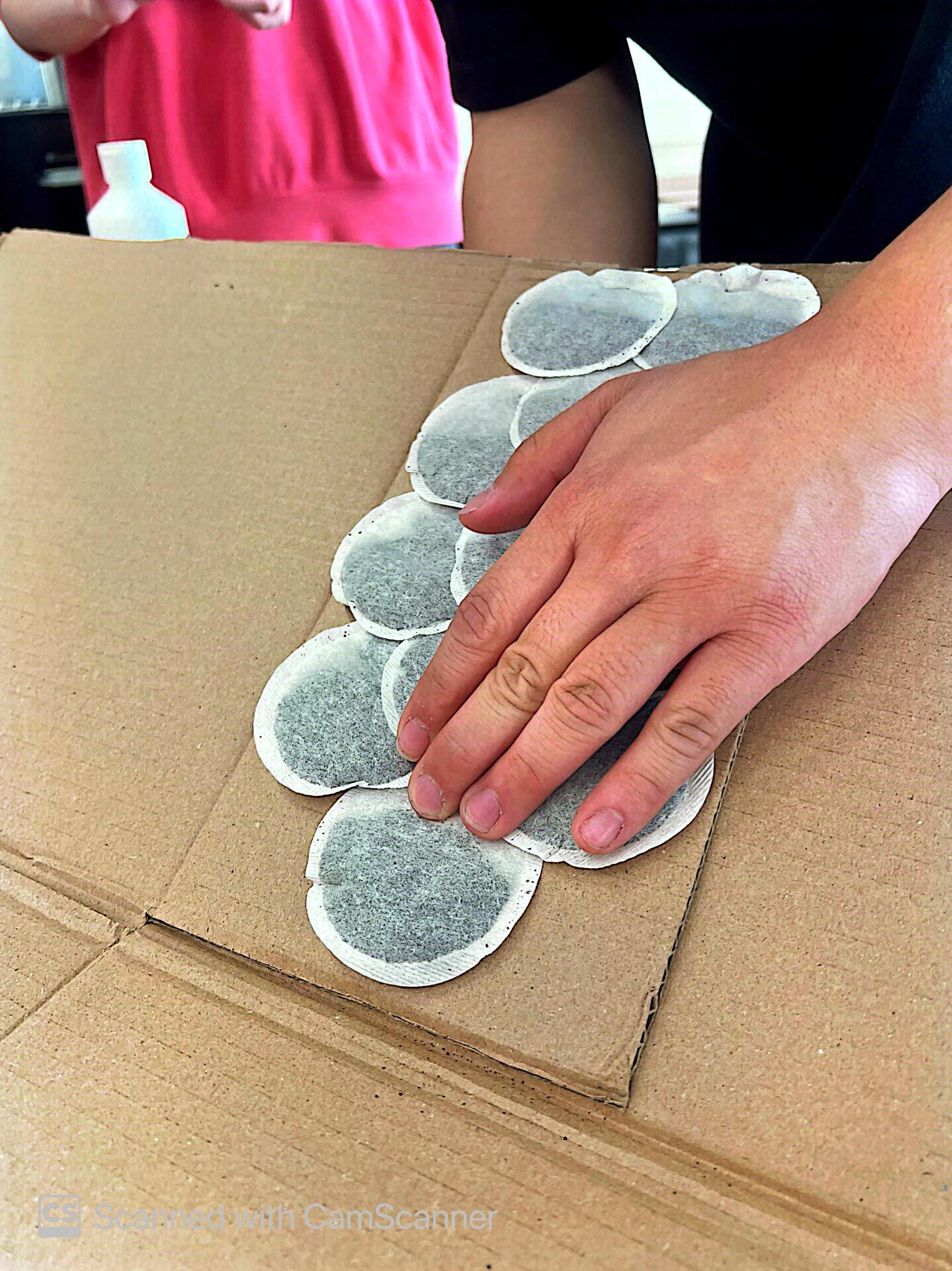
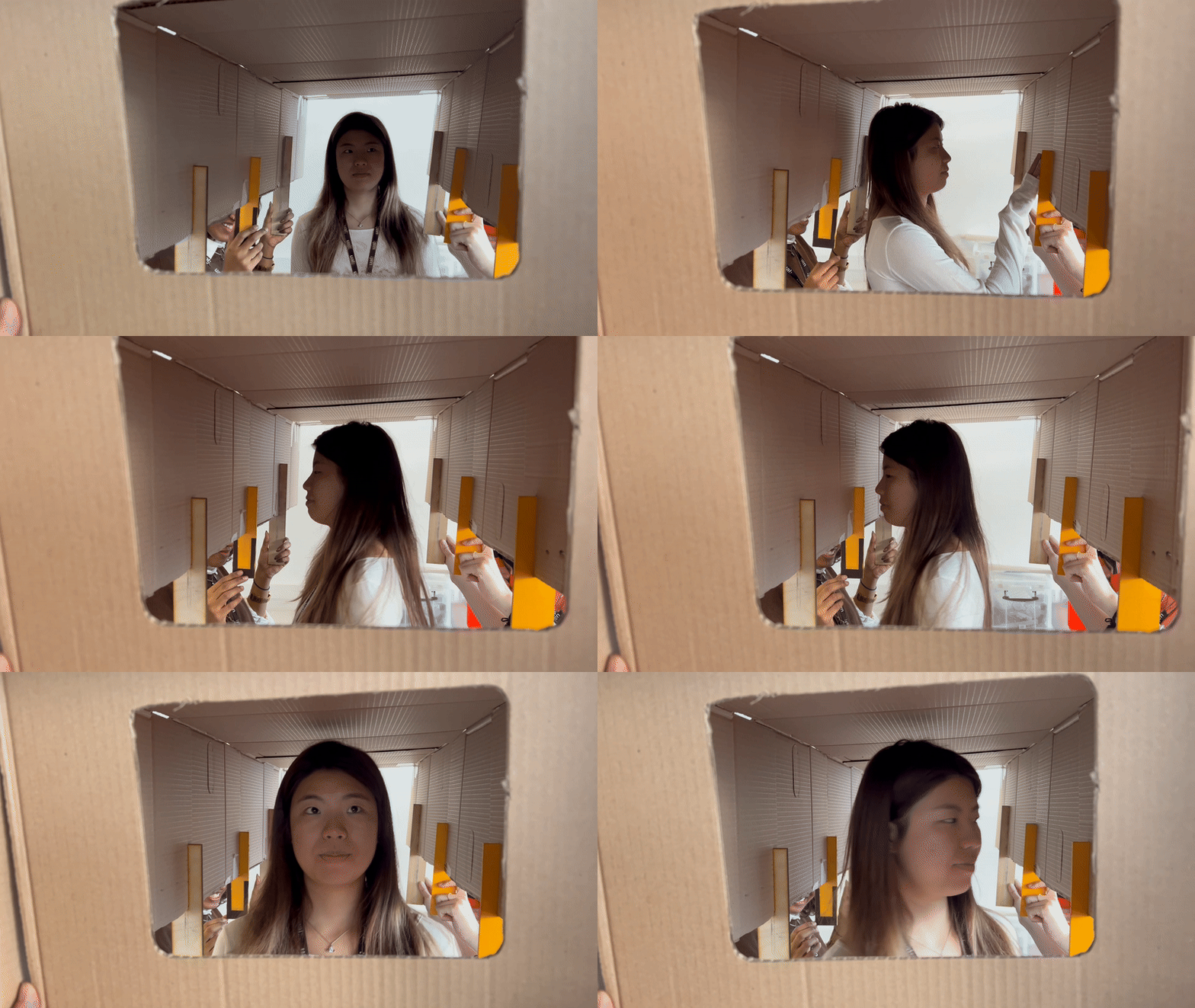
Fig. 5. Prototype of our sensory corridor inspired by Twining, photography by author.
Outcome
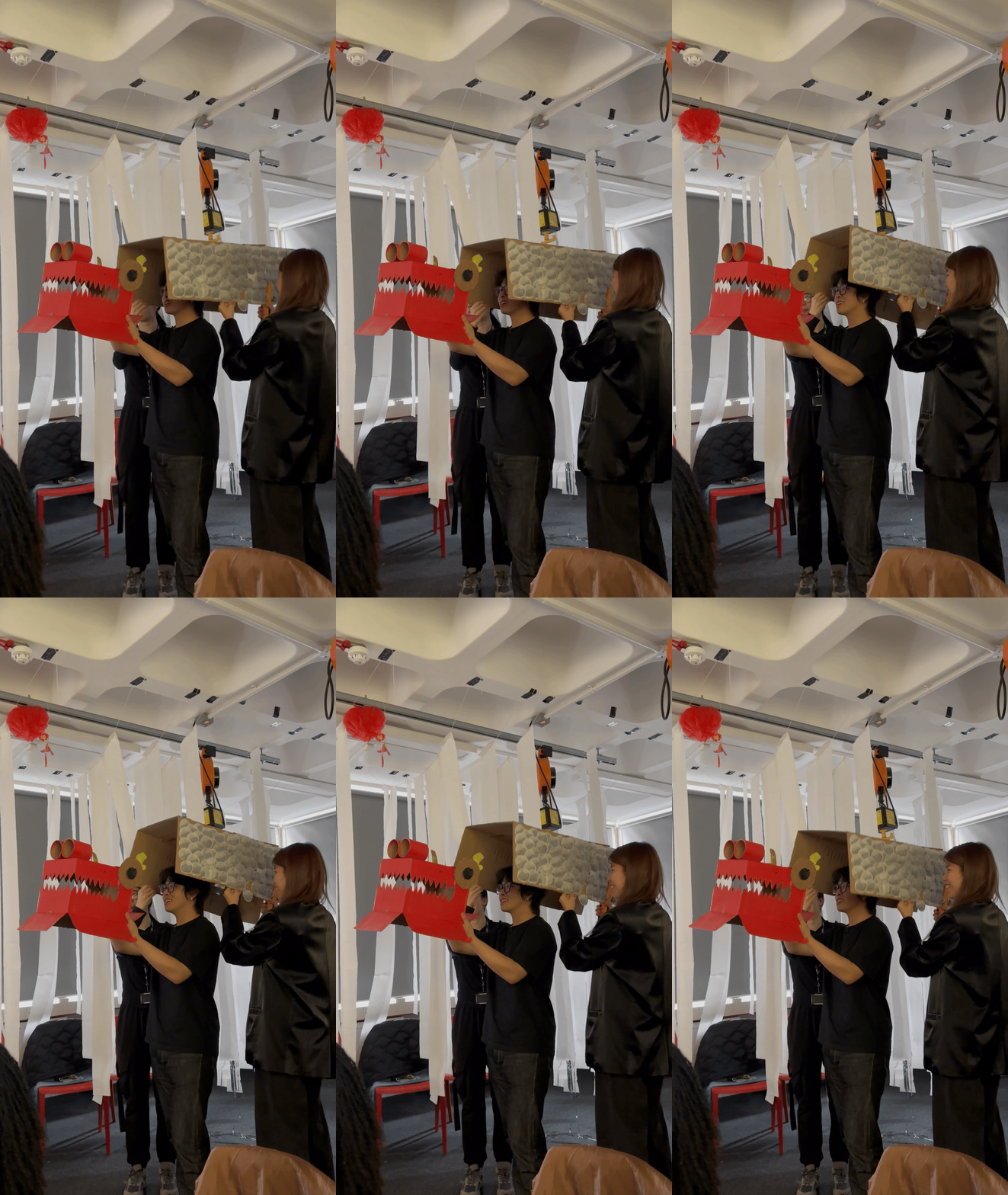
Our final idea focused on Twinings’ cultural history, tracing tea’s journey through China, India, the UK and the US. With group members from these regions, we explored tea as a performance and hands as choreography, with each culture adding its own steps and customs, showcasing how tea has danced and moved across cultures. The performance began with a traditional dragon dance and tea-making in China, tea’s origins are in China, followed by Indian tea rituals and ended with a comedic moment of an American dropping ice in the tea.
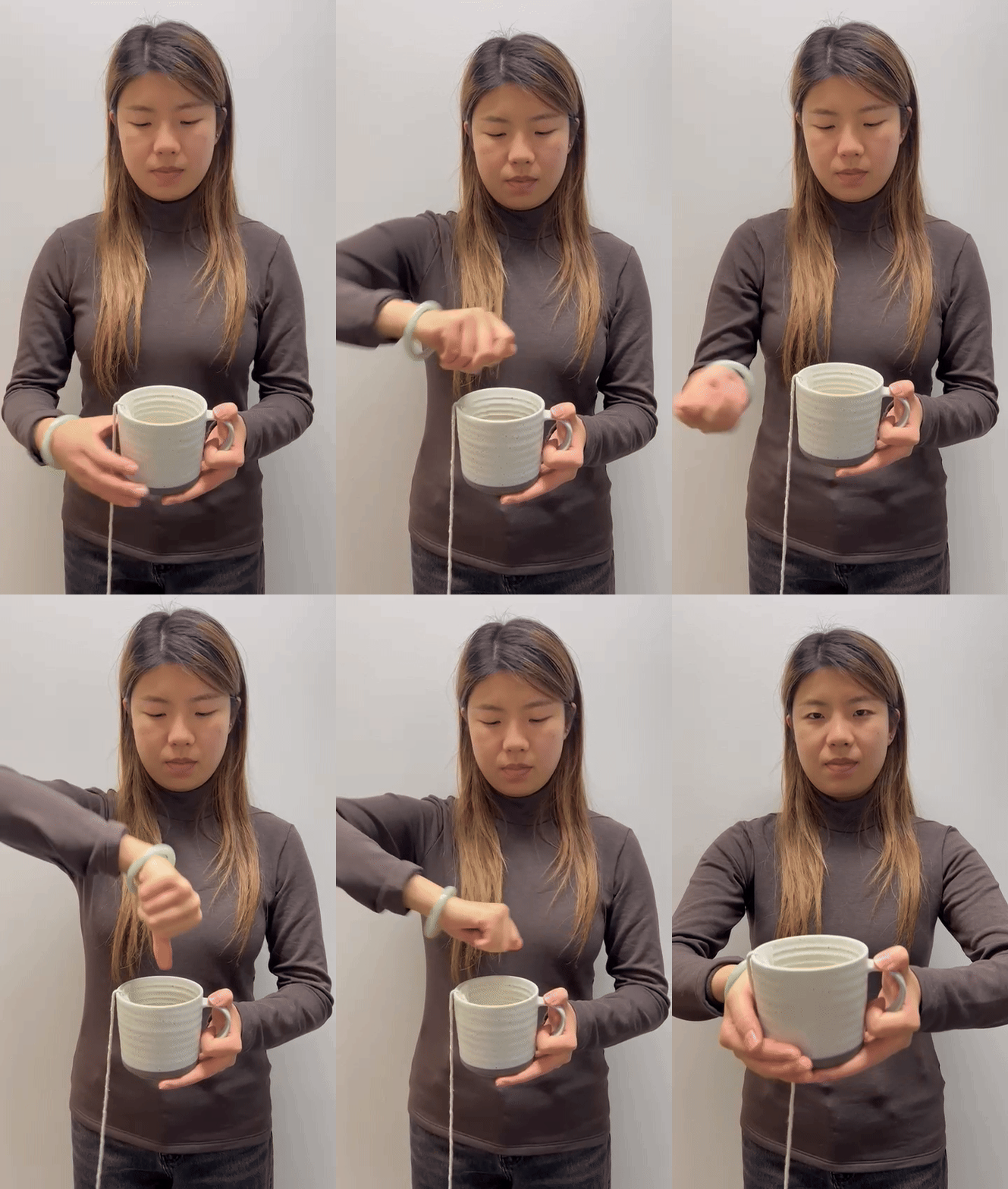
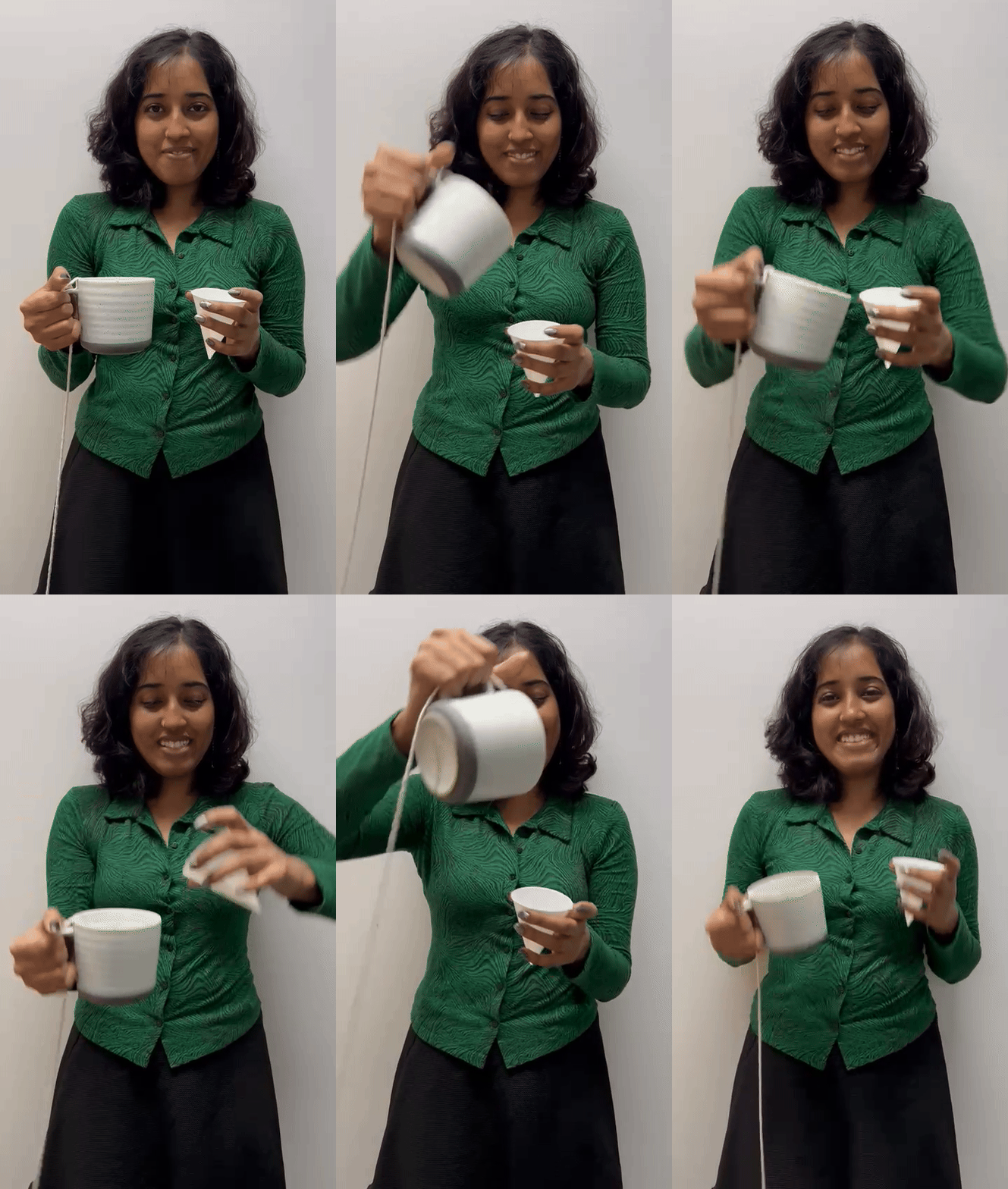
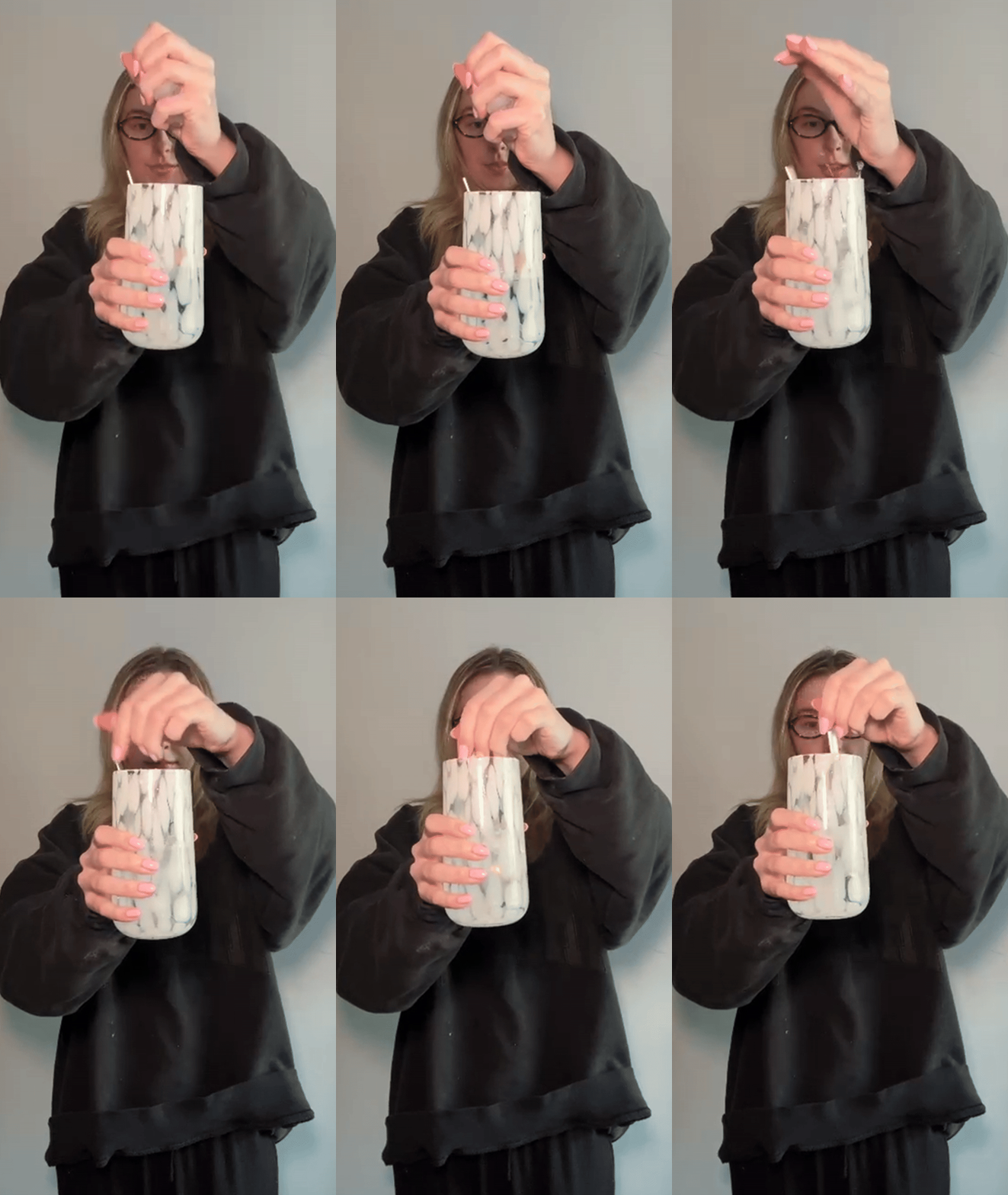
Fig. 6. Performance began with a dragon dance > China > India > America. Photography by author; choreography unique to the performer.
Our feedback was that we could have been braver and more assertive in addressing Twinings’ colonial past. While we agreed with this, the quick turnaround made it difficult to explore this complex subject with the sensitivity it deserved.
If I revisited this project, it would be interesting to draw on our reading of Design Justice, A.I., and Escape from the Matrix of Domination to explore how everyday artifacts carry politics. Using push and pull movements to create physical tension between teabag strings could convey the tensions of Twinings’ colonial history.
References:
Bringhurst, R. (2009). Everywhere Being Is Dancing. Catapult.
Warhol, A. (1962) Dance Diagram, 5 (Fox Trot: “The Right Turn–Man”). [online] Whitney Museum of American Art. Available at: https://whitney.org/collection/works/17218 (Accessed: 15 January 2026).
Costanza-Chock, S. (2018) Design Justice, AI, and Escape from the Matrix of Domination. [online] Journal of Design and Science. Available at: https://jods.mitpress.mit.edu/pub/costanza-chock (Accessed: 15 January 2026).