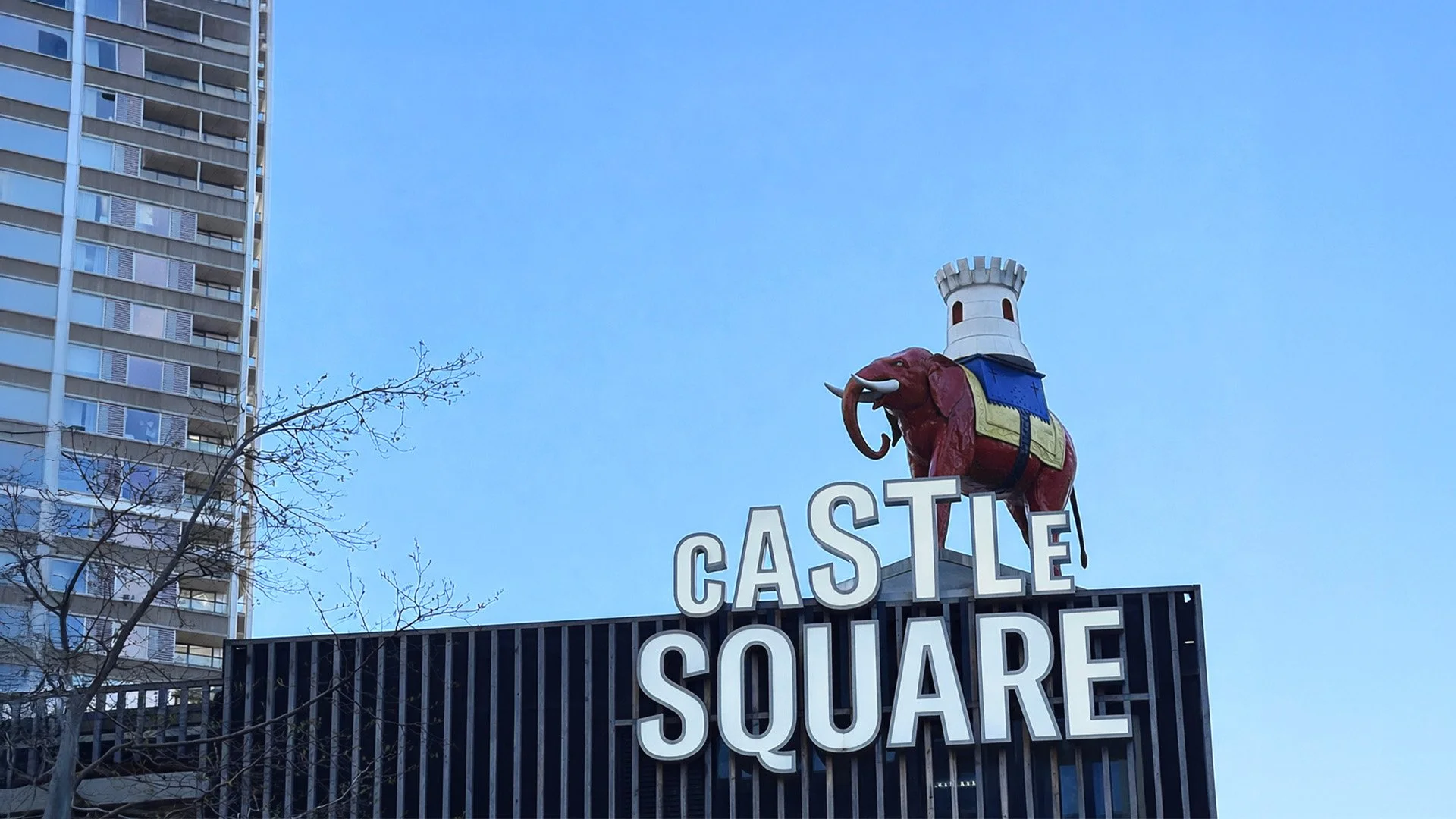
Jan 19 - Jan 30 · Week One · Collaborative Unit
The UX of Sonic Commons
Revati Banerji I MA UX Design I London College of Communication
Brief: Design and stage a sonic intervention that amplifies, distorts, or reclaims public space in Walworth
Team: Molly Wensley · Yihan Zhong · Xiyan Lou · Jaime Santos Guerrero
The Collaborative Unit began with a listening exercise led by sound artist Ronnie Deelen. We visited locations across Walworth and translated the sounds into visual form. I noticed that louder sounds, such as sirens or construction, were expressed as jagged lines, while softer sounds, like wind or whispering, took on more fluid shapes, reflecting cross-modal perception similar to the Kiki and Bouba effect. This exercise encouraged us to pay attention to all sounds, shaping how we approached the brief.
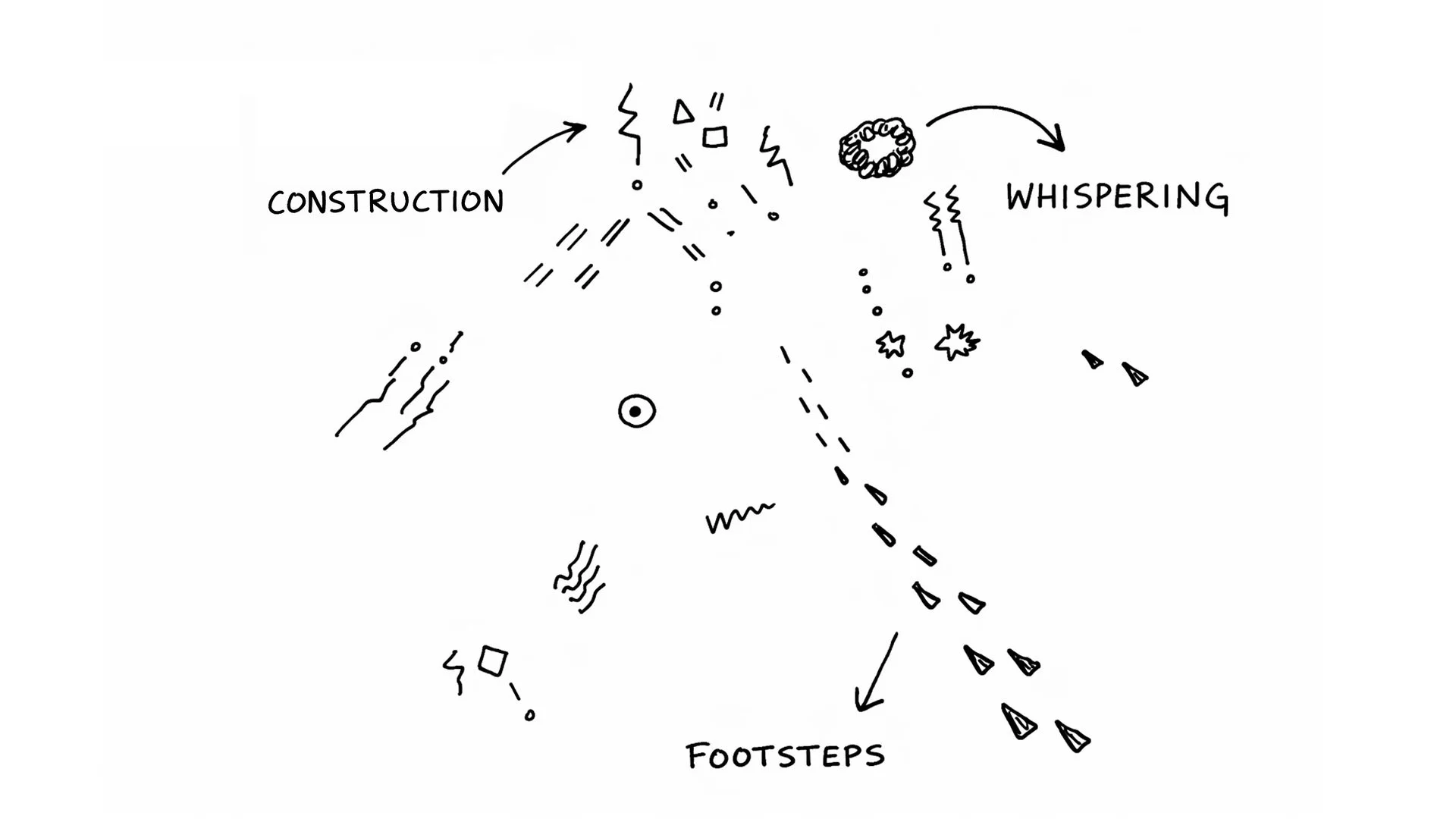
Fig. 1. Translating sound into visual form at Walworth Library, part of a series of sound drawings.
Next, Rosie Oliver took us on an informative walk through Walworth, where themes of regeneration emerged. This guided our questions when we interviewed people in the neighbourhood. One trader at East Street Market, who has worked there since 1971, described the market as becoming “quieter”. This reflects how urban conditions can be understood through sensory metaphors (Lakoff and Johnson, 1980), where “quietness” signals fewer people visiting the market, showing how sound can reveal the conditions of a place.
Primary Research

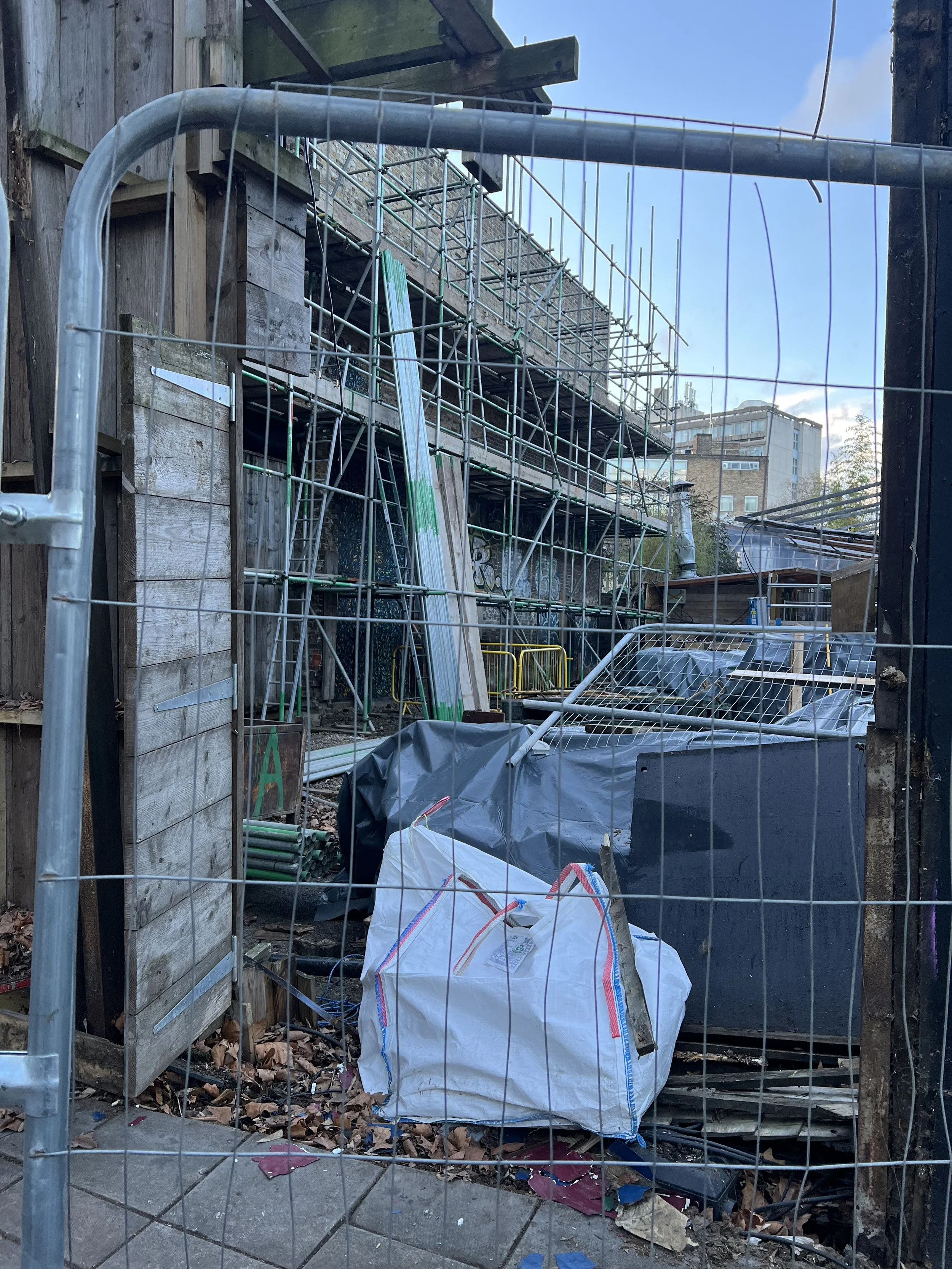

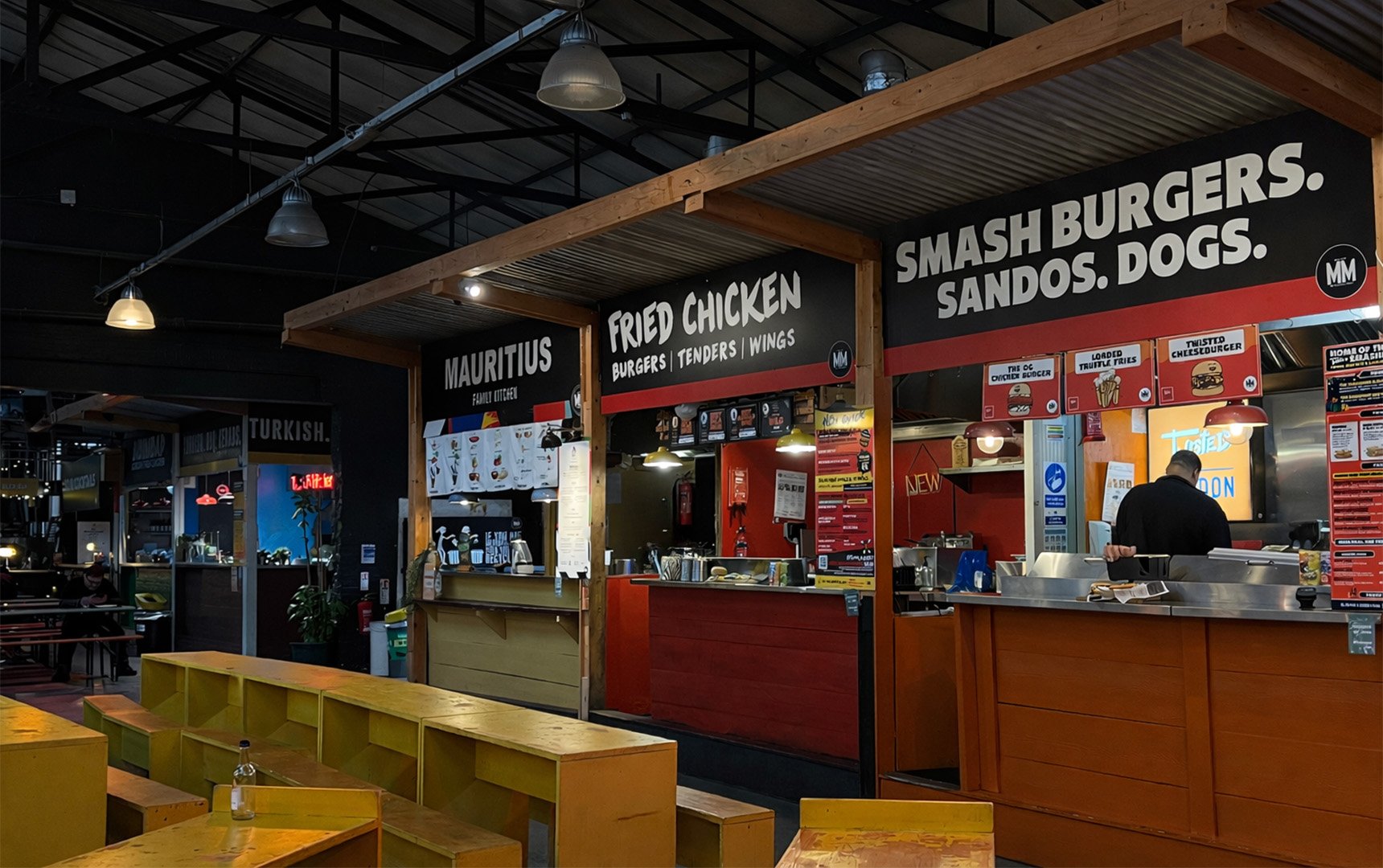
Fig. 4. Mercato Metropolitano during partial demolition. Photographed by the author.
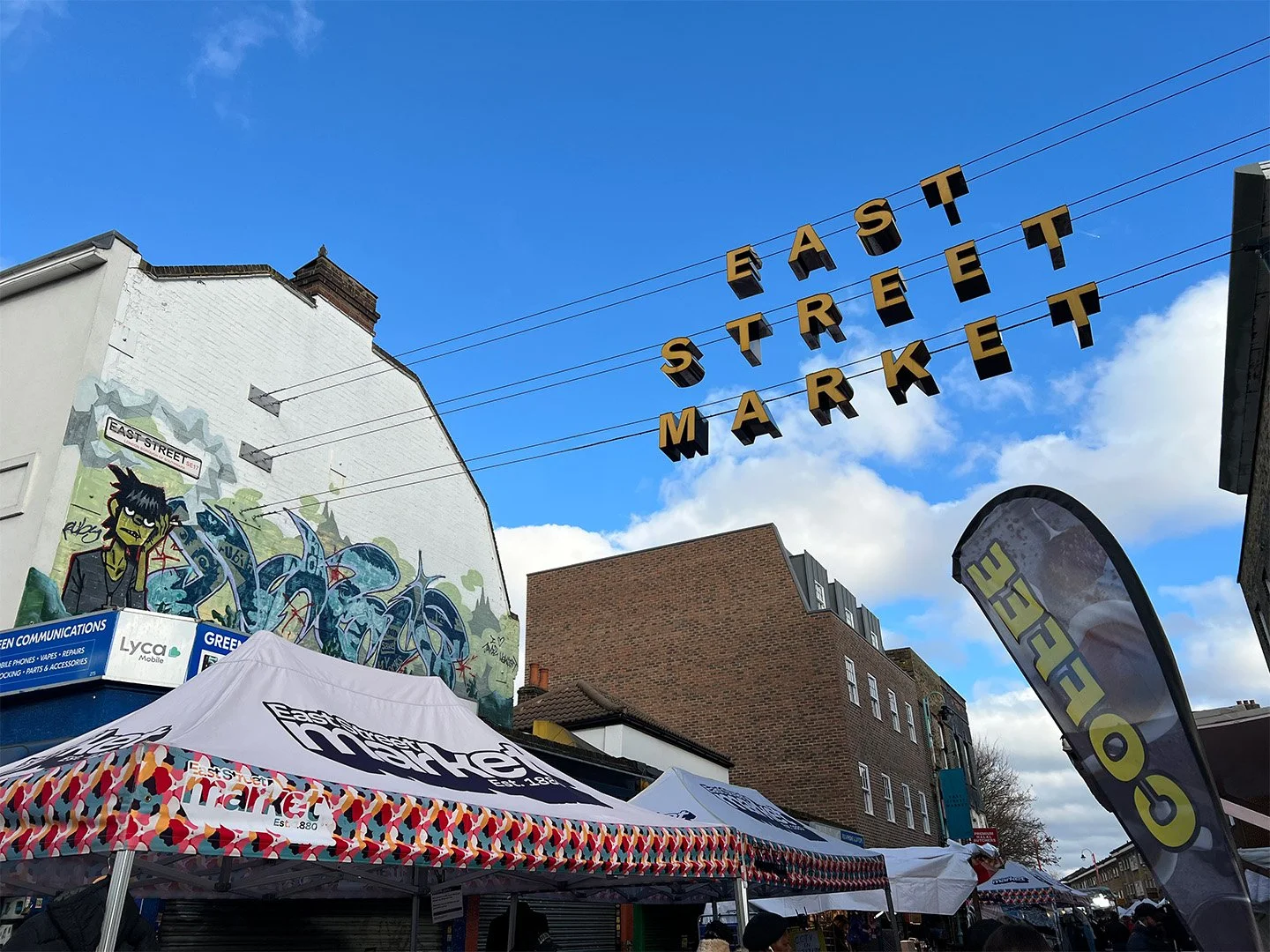
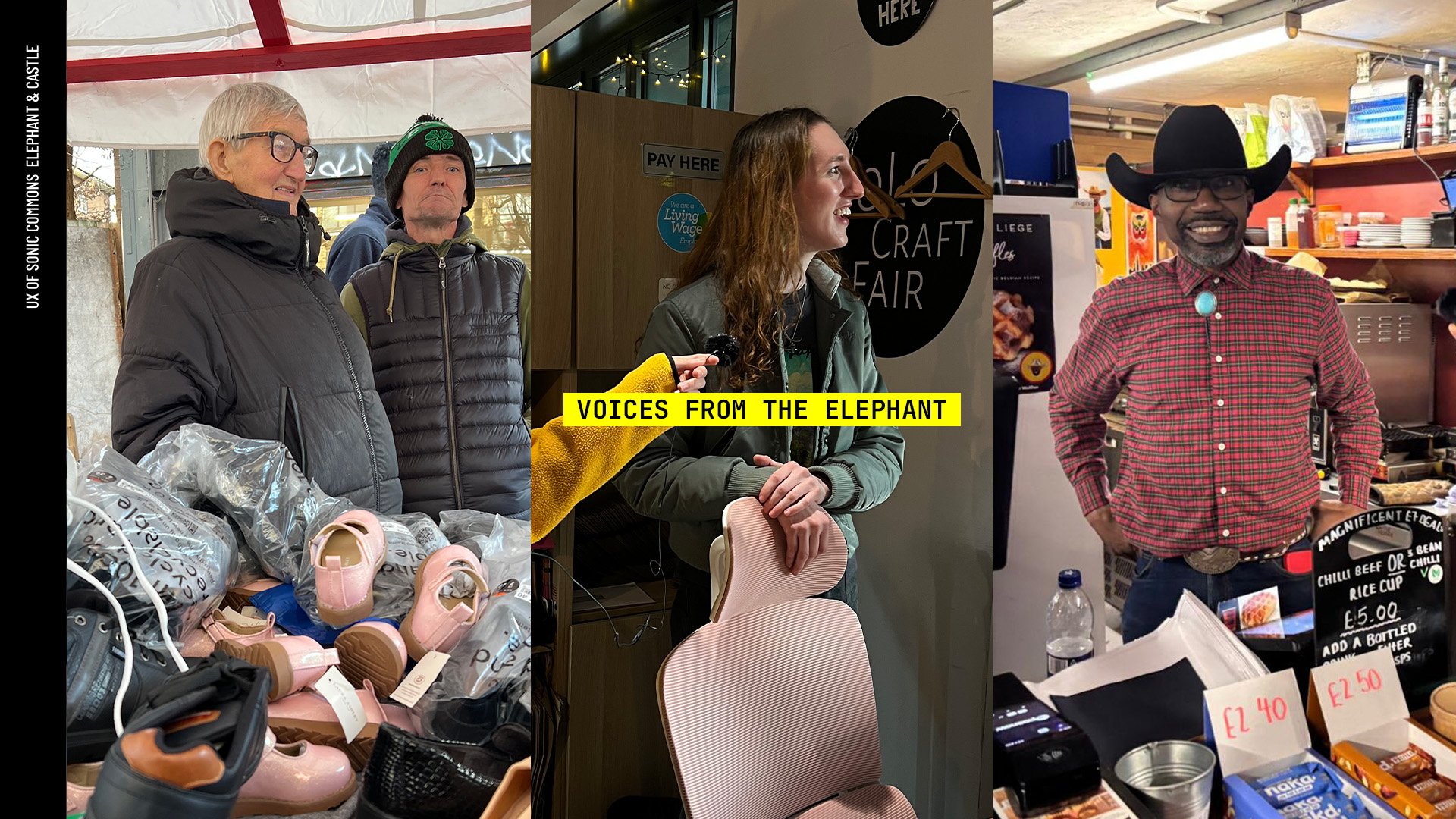
Fig. 2. Interviews with traders and residents across Walworth and Elephant & Castle. Photographed by the author.
At Elephant Park, we spoke to a retail worker who had grown up in the area and described a more conflicted experience of redevelopment. While she acknowledged improvements such as cleaner spaces and new green areas, she also expressed concern about rising costs and the loss of third spaces within the community.
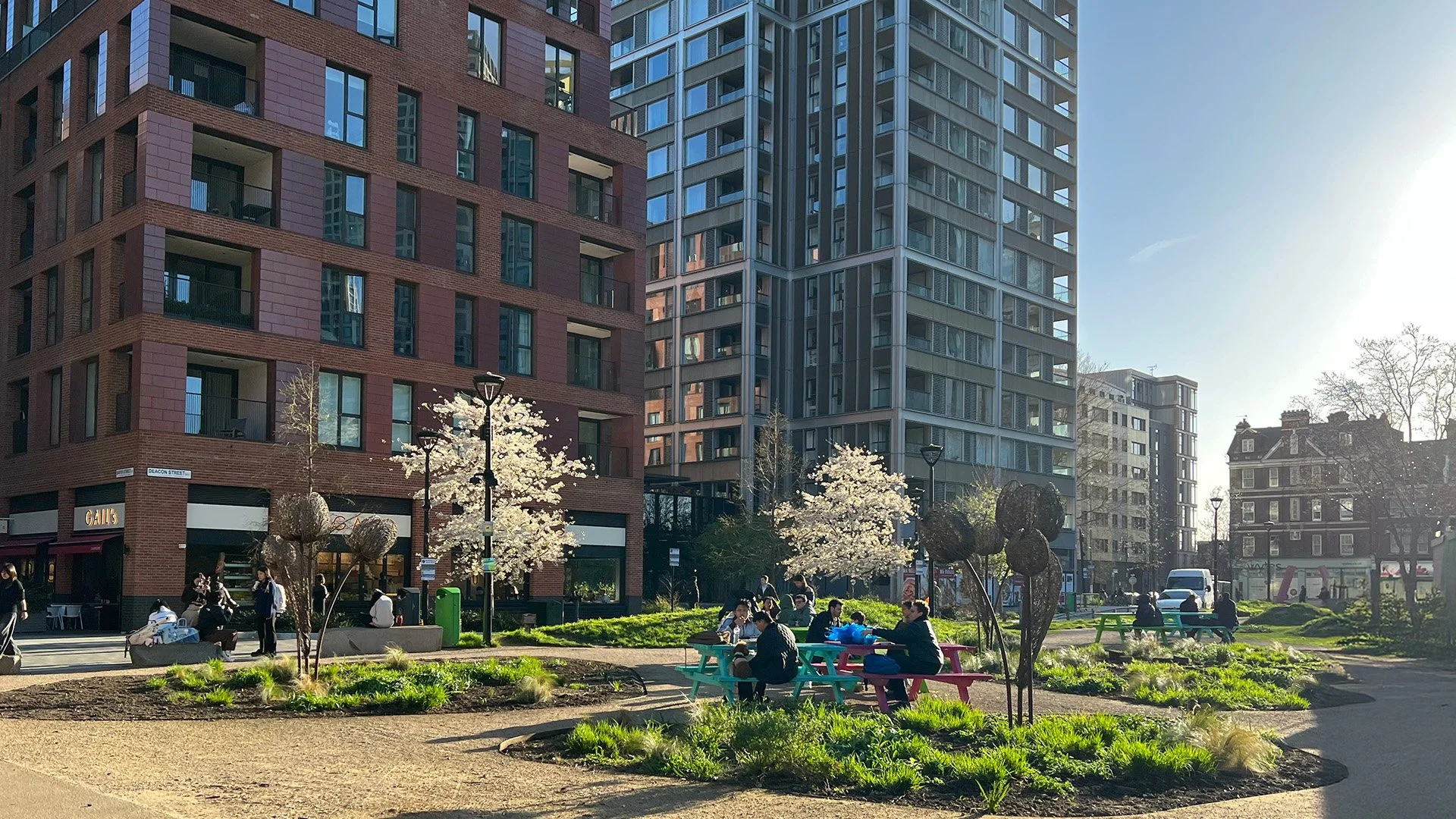
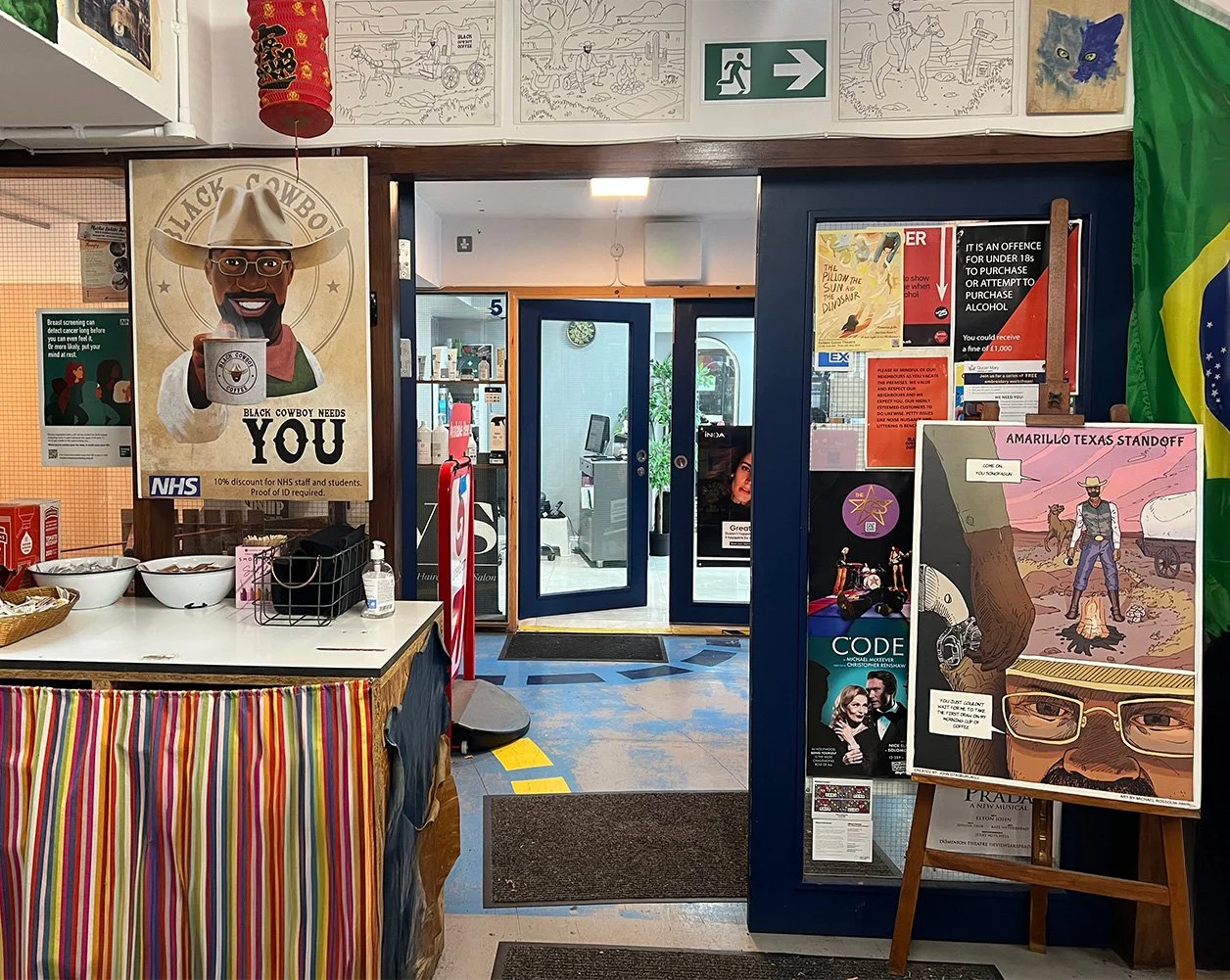
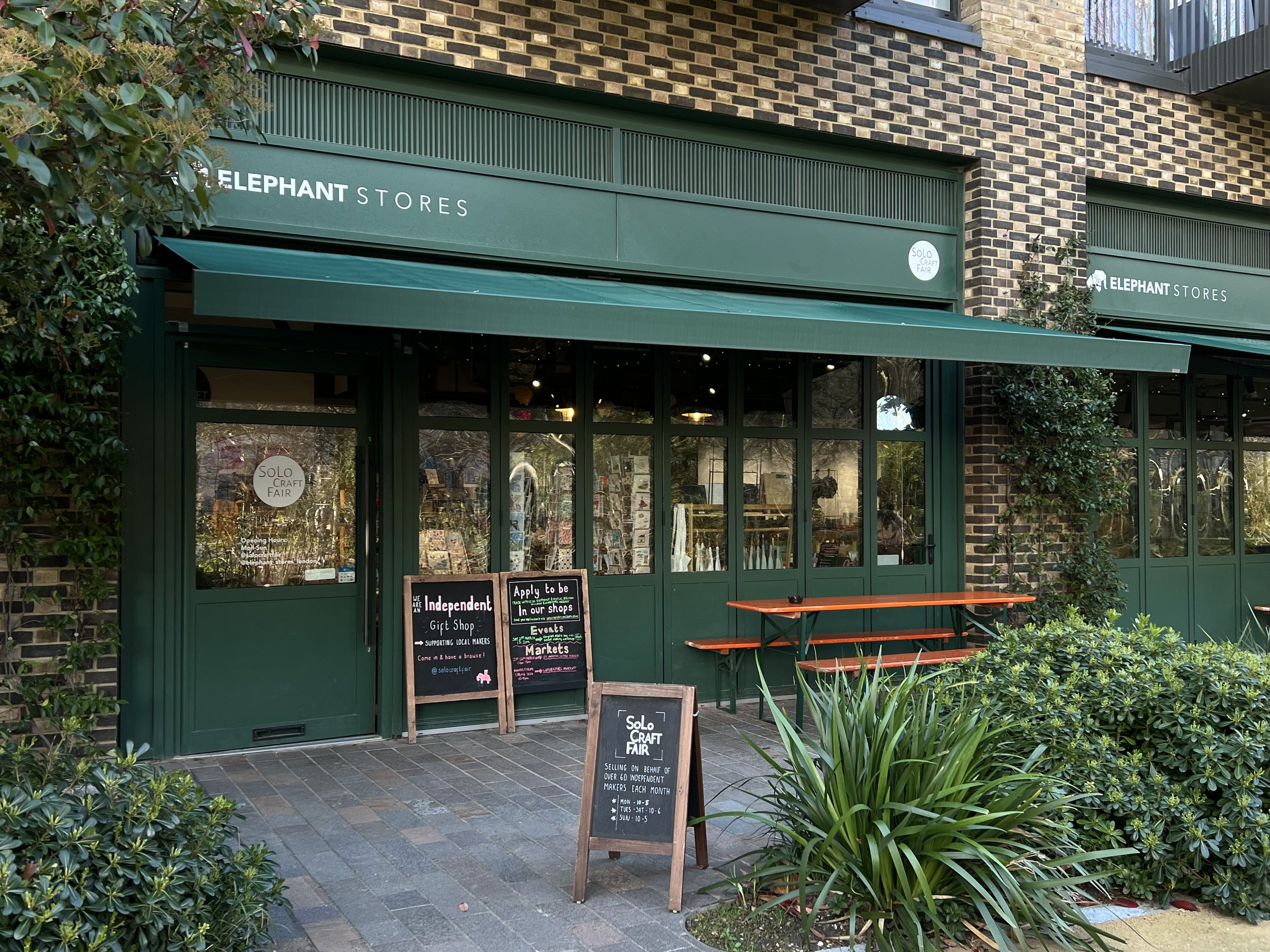
Fig. 3. Some of our field research locations across Walworth and Elephant & Castle. Photographed by the author.
Personally, I too felt this shift when I heard that Mercato Metropolitano would be replaced by new housing. As a vibrant part of Elephant & Castle’s culture, its demolition felt like a clear sign of change. Overall, reactions were mixed, with some welcoming the redevelopment and others expressing concern; its impact was clearly felt across the area.
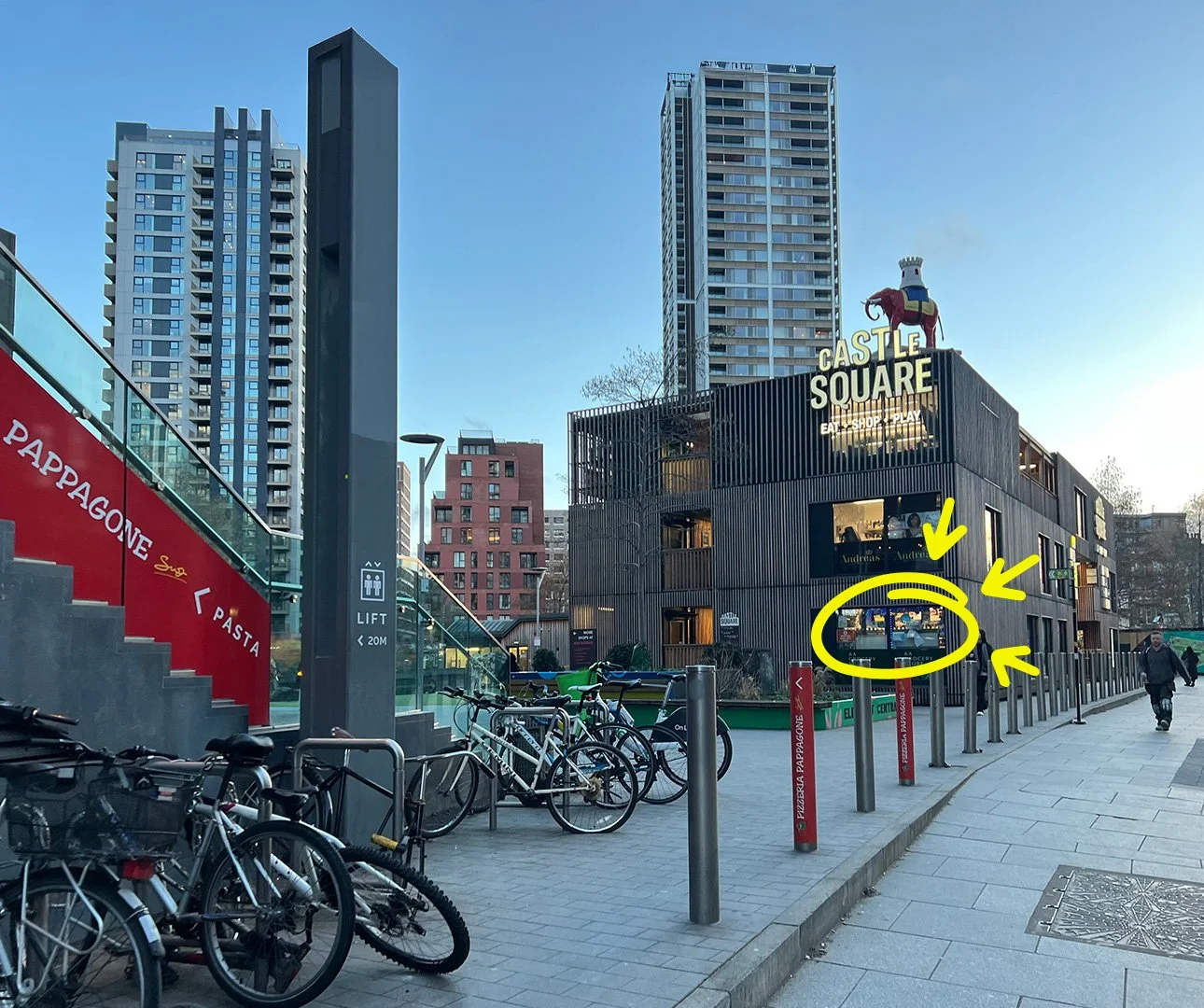
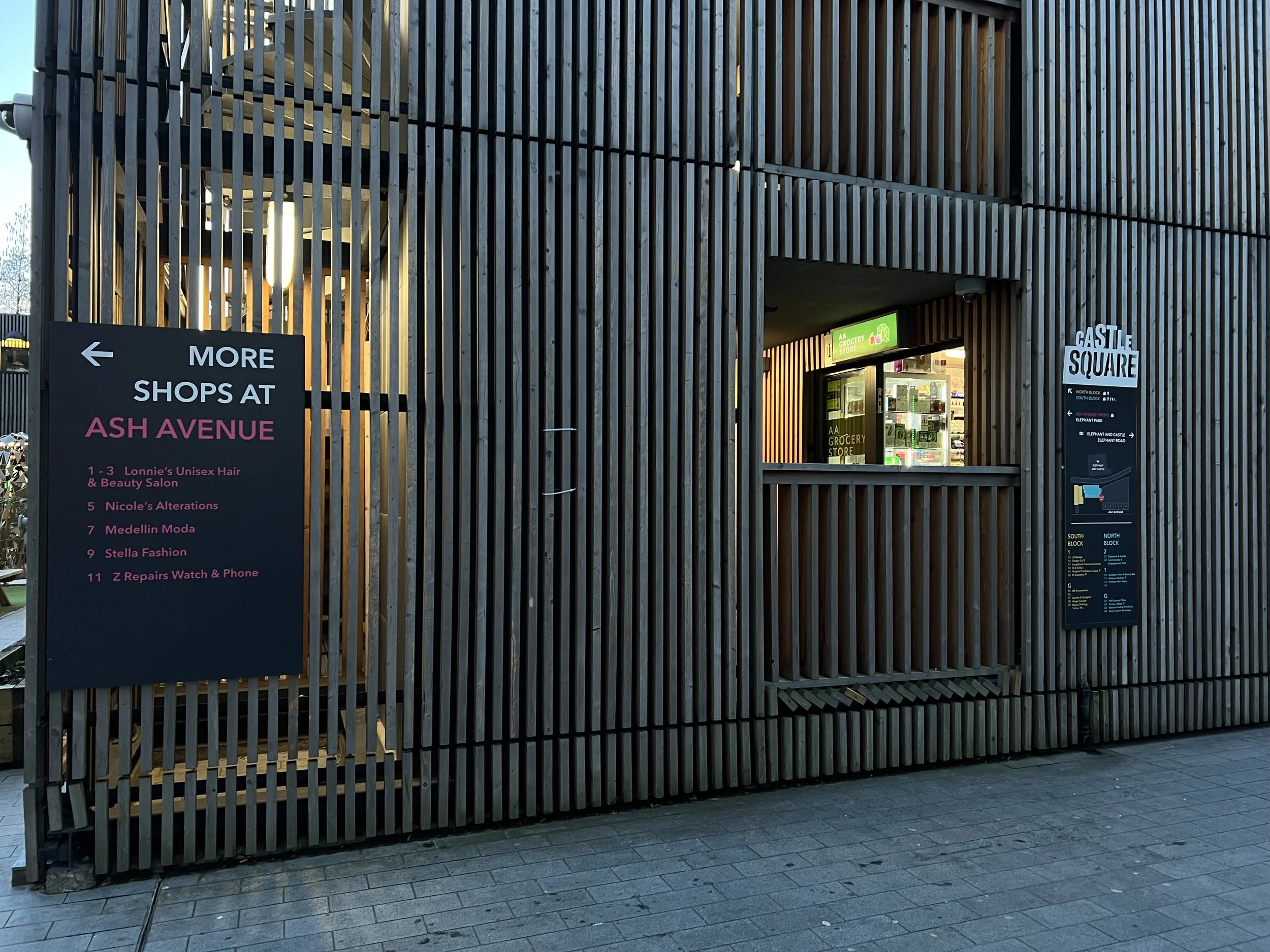
Towards the end of the week, we identified a potential collaborator, a shop owner relocated from the former shopping centre to a less visible part of Elephant Park. We explored a sonic intervention that would borrow the traditional street cries of Walworth Market and reintroduce them into the more curated environment of Elephant Park, using sound to draw attention to his shop. The proposal aimed to reintroduce an alternative sonic protocol into the space, one that could shift how people navigate and engage with it (Mattern, 2022). However, because of gaps in communication and time constraints, we did not end up pursuing the idea.
Reflection
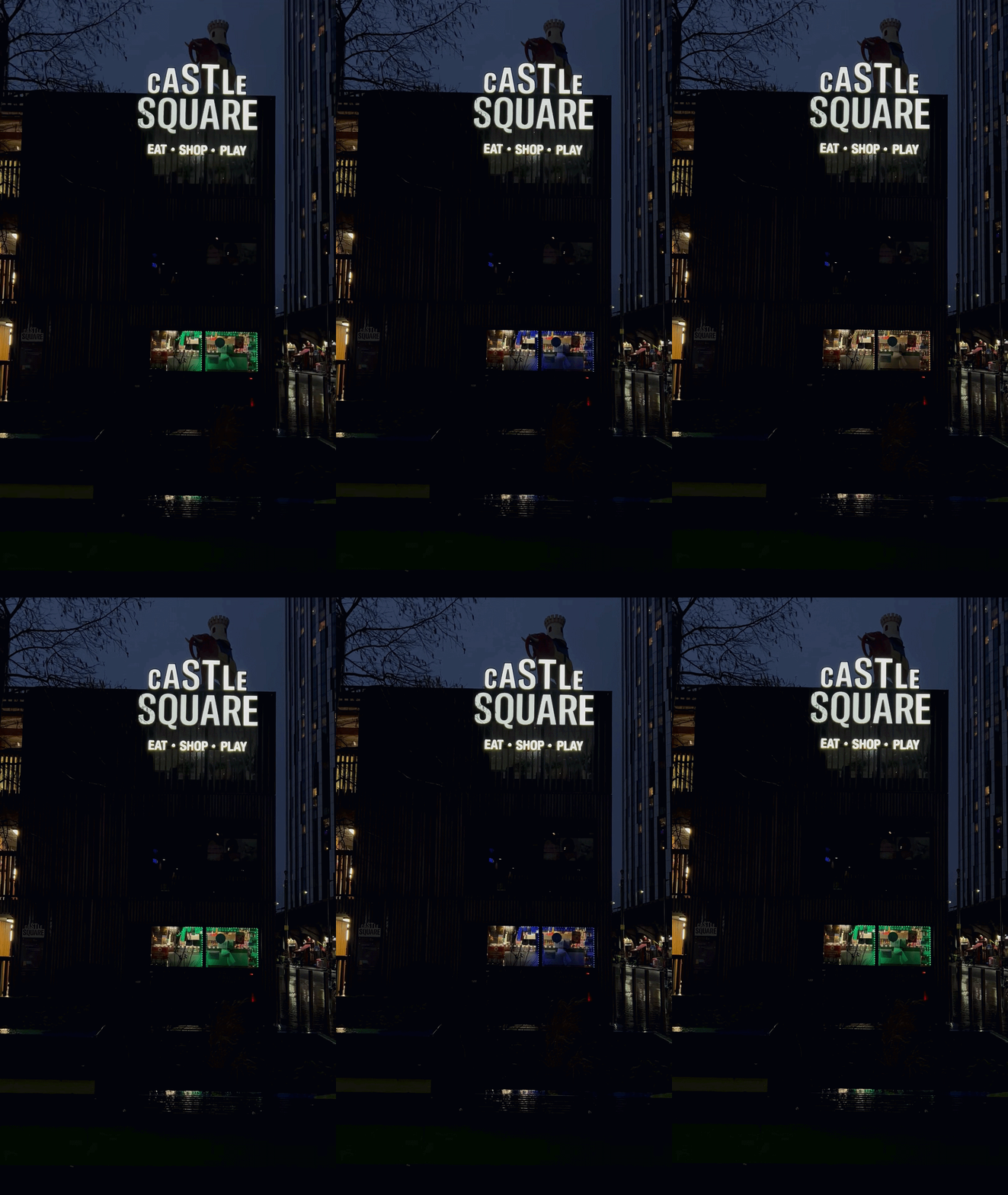
Fig. 5. A relocated shop tucked away in Elephant Park, which we aimed to highlight through sound. Photographed by the author.
Although the collaboration did not move forward, the process was valuable. It required approaching and interviewing strangers while adapting to different communication styles and levels of openness. Working in a team made this feel less intimidating.
This also highlighted the challenges of engaging with people outside of a design context. Not everyone was open to collaboration, which led me to reconsider how ideas are introduced, informing my essay’s research question on how design research can account for different communication styles.
References:
Mattern, S. (2022) ‘Sonic protocols’. In: Christian, R., Kuoni, C. and Pira, E. (eds.) As for protocols. Liverpool: Liverpool University Press,
pp. 178–187.
Lakoff, G. and Johnson, M. (1980) Metaphors we live by. Chicago: University of Chicago Press.