
Feb 05 - Mar 12 · Week Five · Macro Unit
Macro UX: Eat the Rich
Revati Banerji I MA UX Design I London College of Communication
Brief: Design a currency based on food
Team: Eniola Aminu · Oindrilla Sinha · Mathew Yue · Jaime Santos Guerrero
Food insecurity remains a pressing issue, with 13.9% of UK households affected and 51.4% of children in Tower Hamlets lacking access to basic nutrition. In response, we developed an alternative currency to support nutrition and build a self-sustaining community. This week focused on bringing the concept to life and designing it as an experience.
Welcome
to Rooted
How it Works
Fig. 5. The three stations of the Rooted experience: Seed Bank, Trade and Plant, illustrating how users receive, exchange or grow their food currency. Photographed by the group.
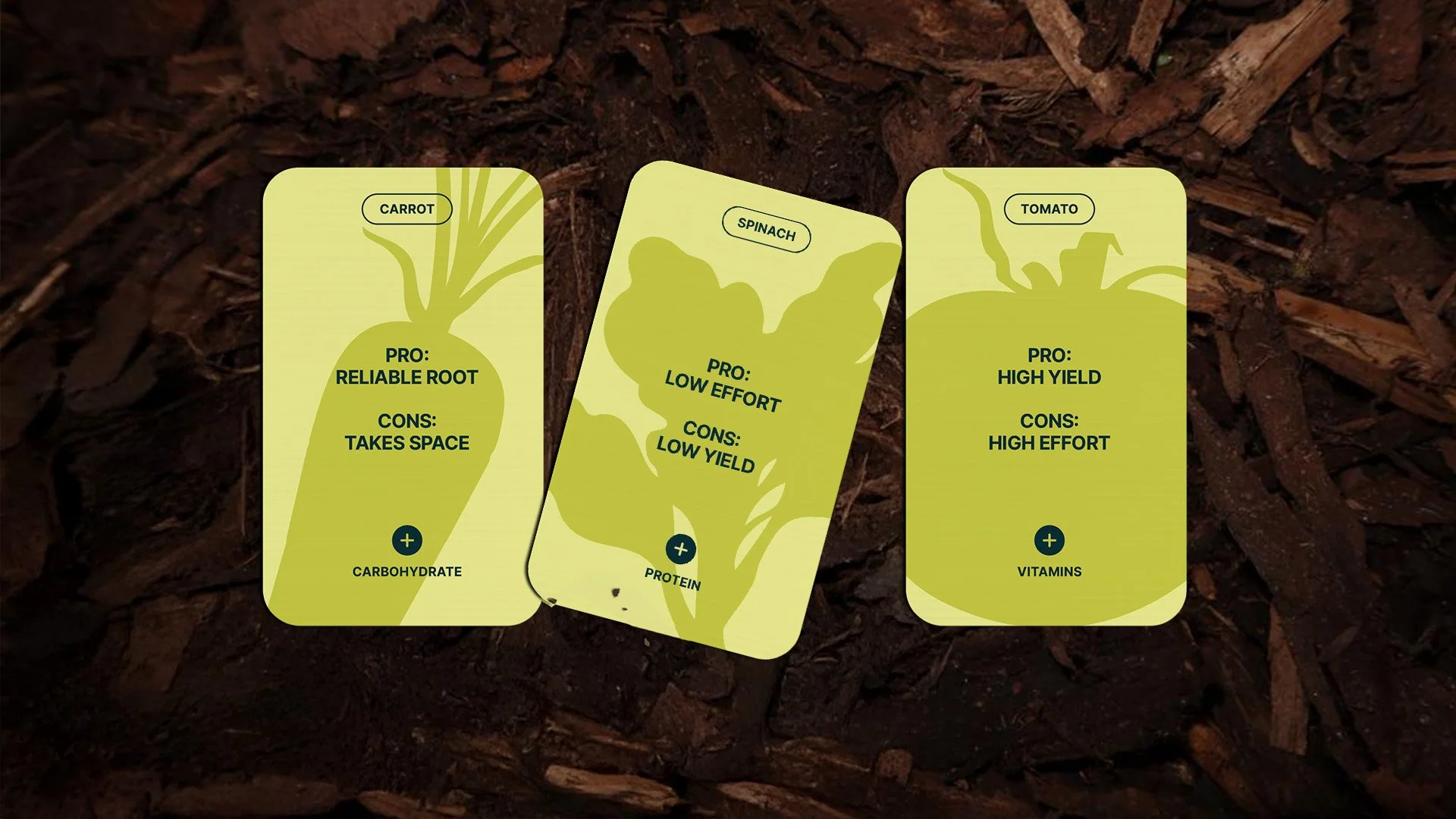
Fig. 6. Nutritional cards showing the value and characteristics of each food currency. Designed by the author.
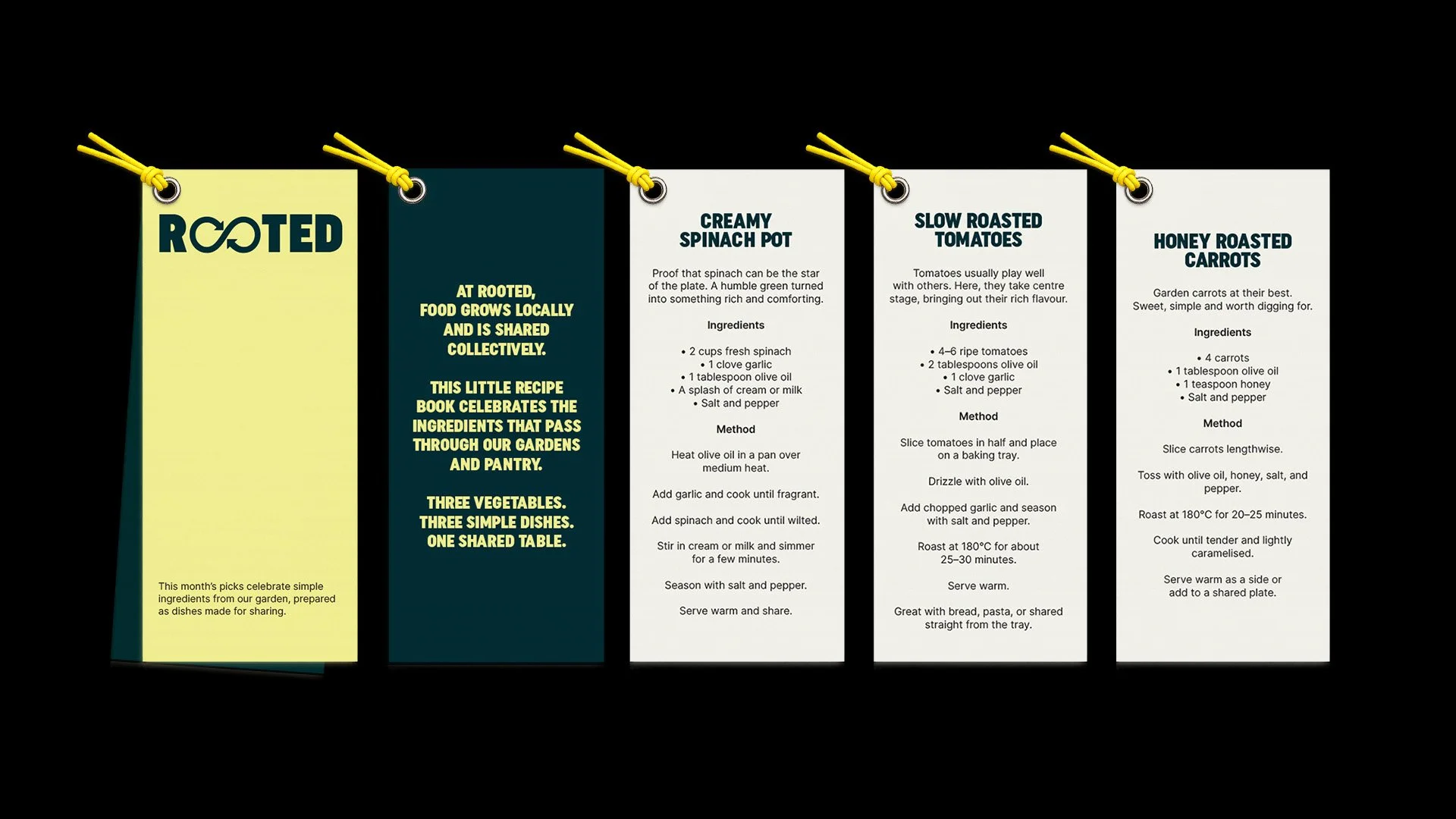
Fig. 7. Recipe booklet featuring dishes made using spinach, carrot and tomato. Given to participants who traded for fresh produce. Designed by the author.

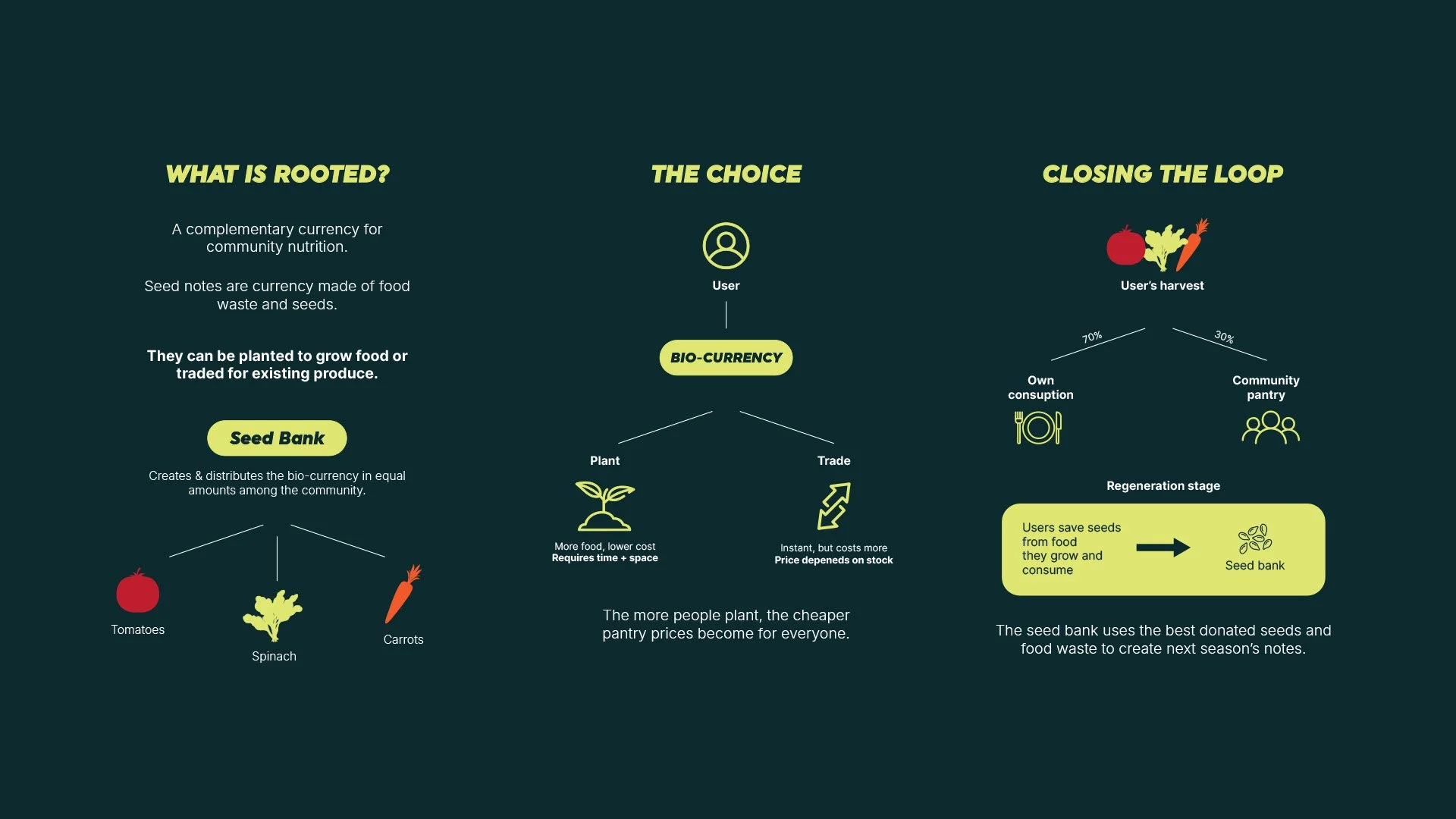
Rooted asks a simple question: what if your money could grow food? Instead of value being accumulated, it becomes something that can be grown, shared and circulated within local communities. The project is rooted in community, food sovereignty and collective responsibility. Its logo incorporates an infinity symbol, representing a circular model where food, waste and value continuously regenerate.
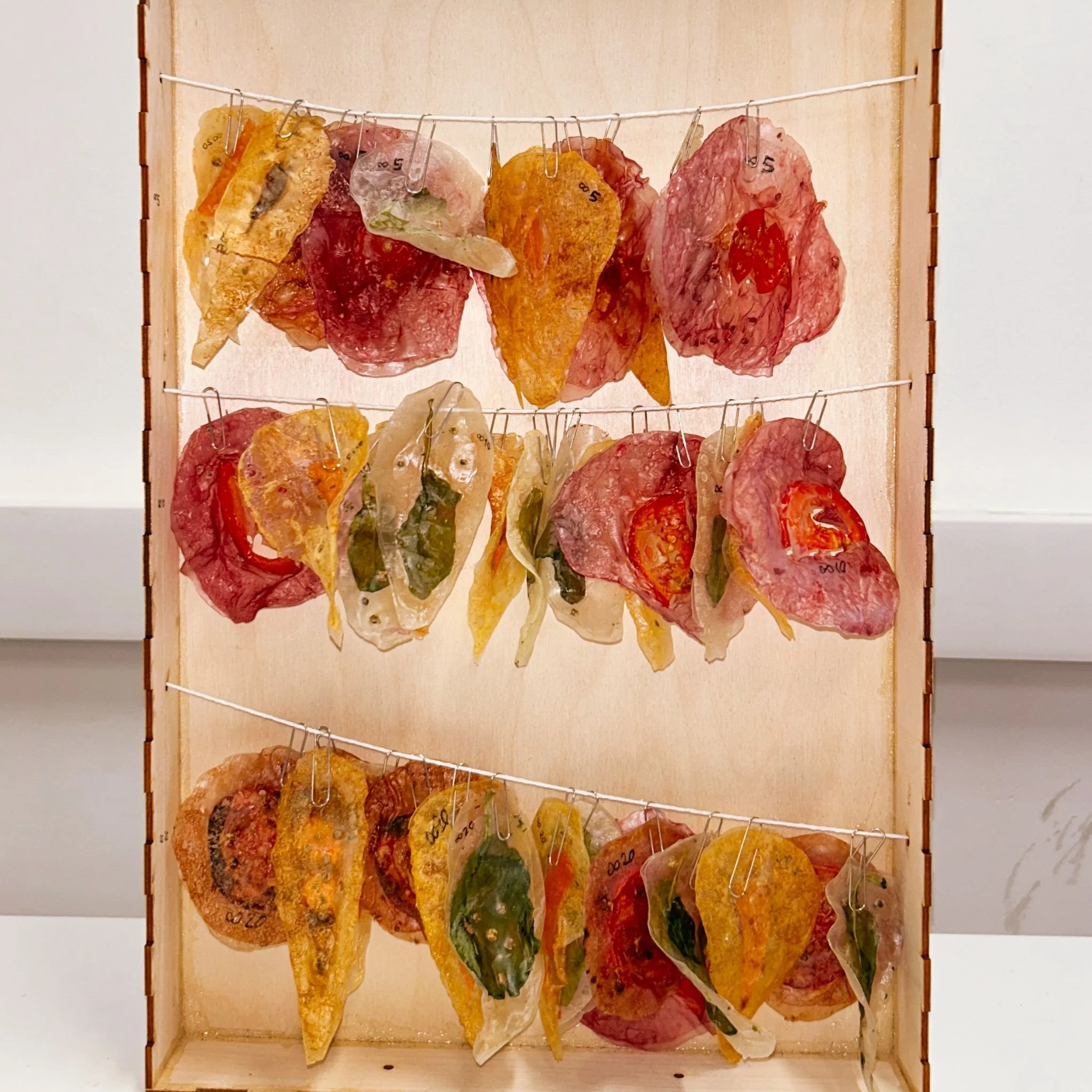
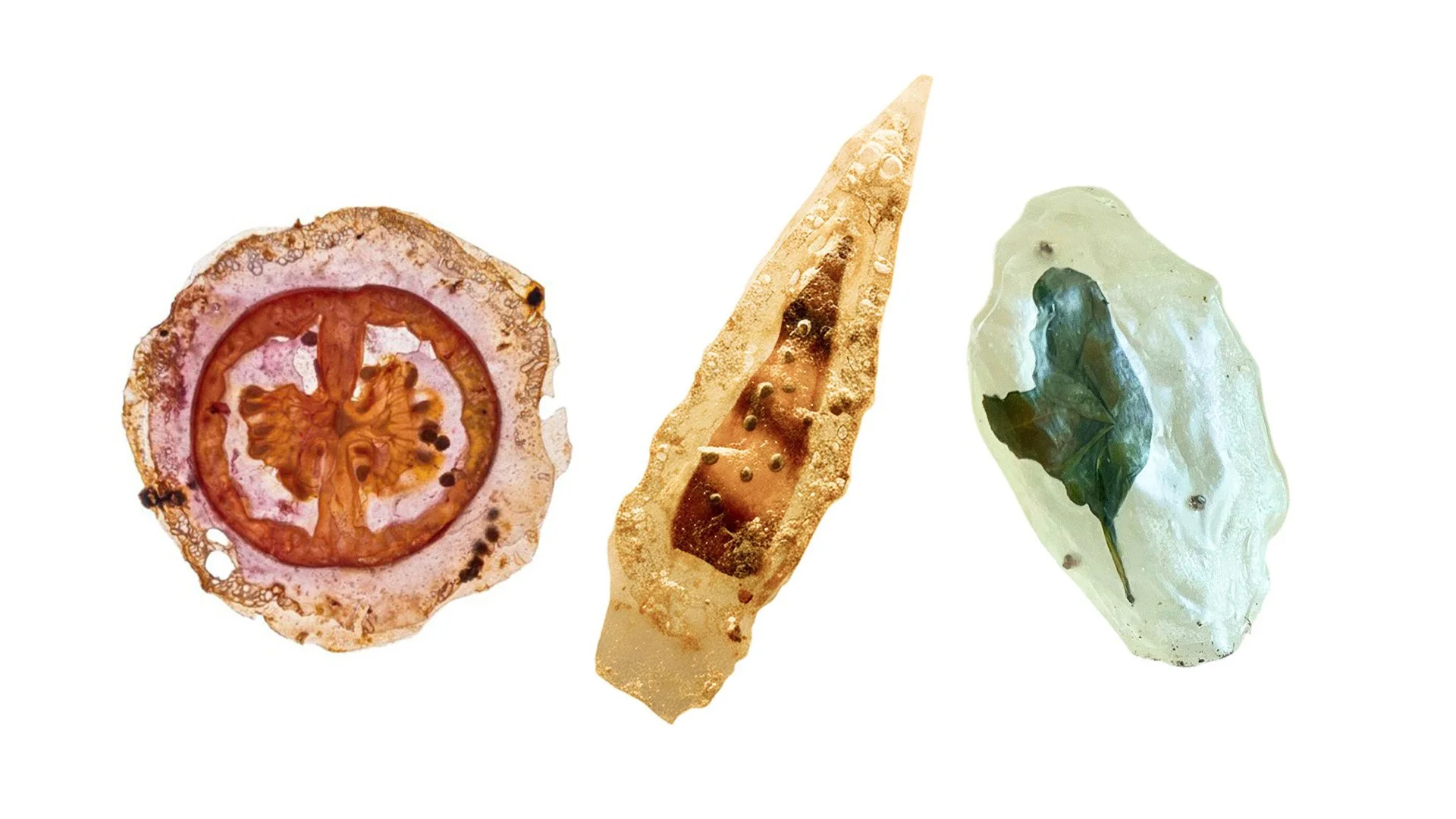
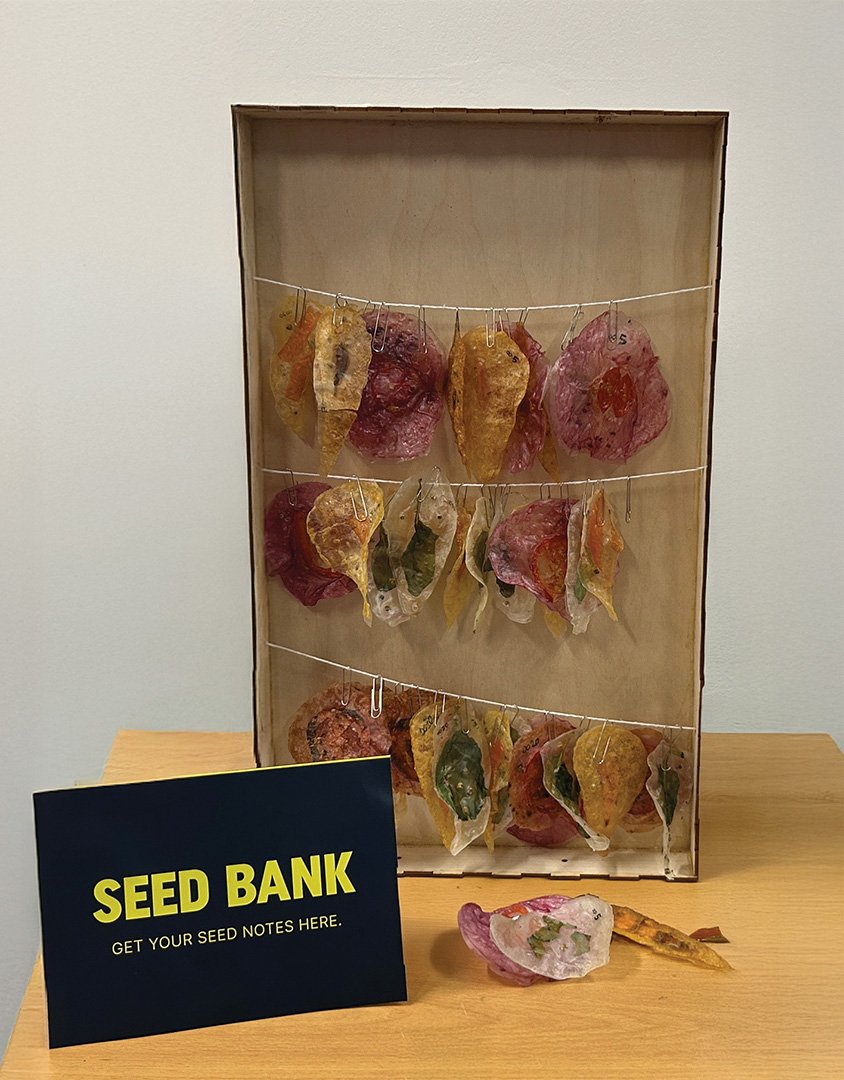
Our translucent currency, embedded with seeds, was designed to embody the transparency of the system. We added food colouring and shaped each piece to resemble its vegetable, making the different types easier to distinguish.
Fig. 3. The system model was printed into brochures and shared with the users at the start of the experience. Designed by Jaime Santos Guerrero.
To support the experience, we designed nutritional cards for each food currency and recipe booklets using tomato, spinach and carrot for those who chose immediate produce rather than planting.
At the seed bank, rather than using a cashier model where money is exchanged discreetly, the currency was displayed openly to show that value in this system is visible and shared. Each participant received an equal amount of currency, alongside a brochure explaining how the model worked.
Participants could then trade their currency at the pantry for immediate produce, or plant it to grow more over time. This introduced a balance between instant consumption and longer-term nourishment.
The model was designed to close the loop, with food, seeds and value returning to the community. A portion of what is grown is contributed back, allowing the system to regenerate and support others. As shown in our system model, when people plant, the system strengthens each season, but when everyone only trades, it collapses.
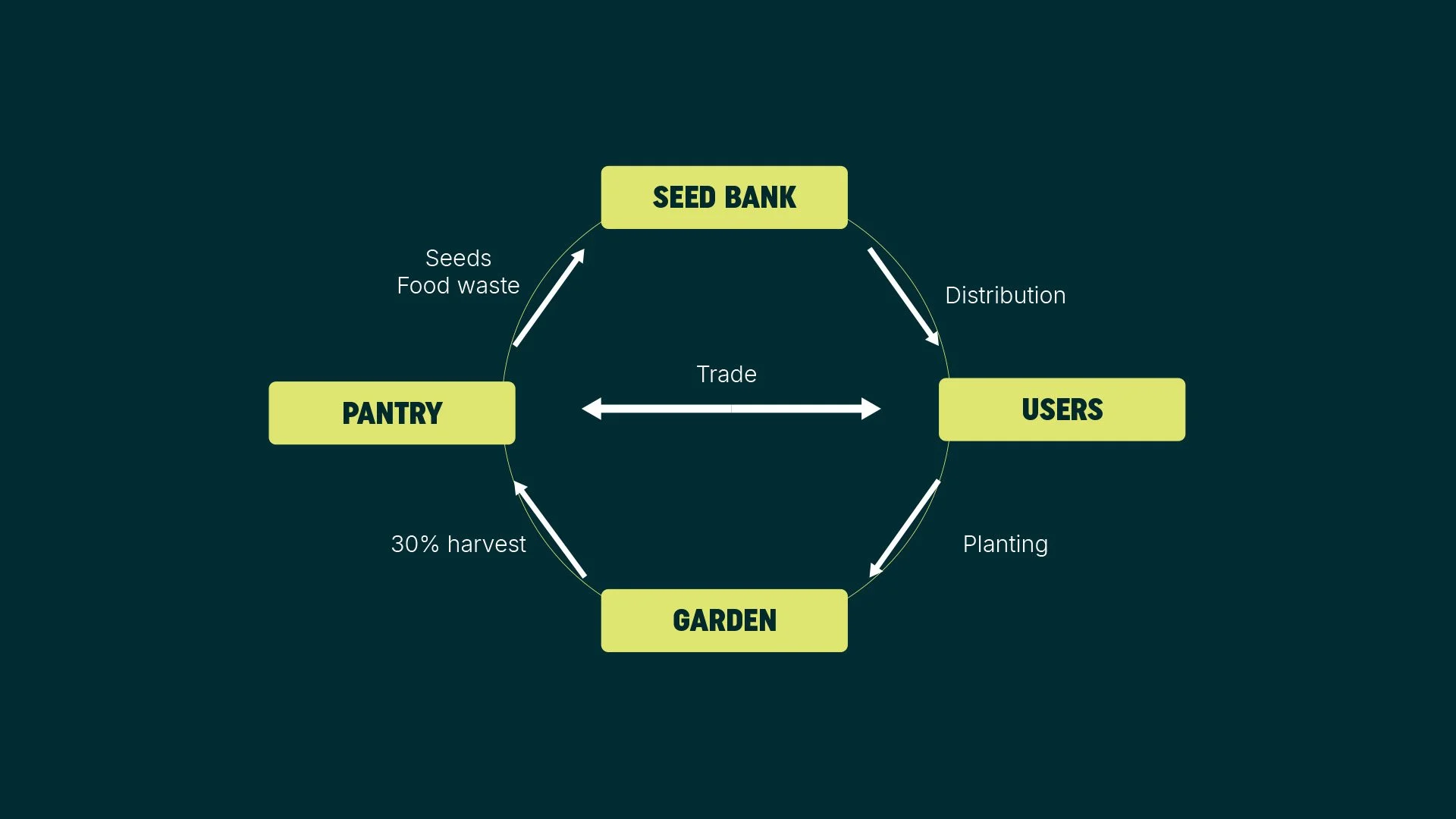
Fig. 4. Circular system model for Rooted, showing how currency is distributed, planted, traded and returned. Designed by Jaime Santos Guerrero.
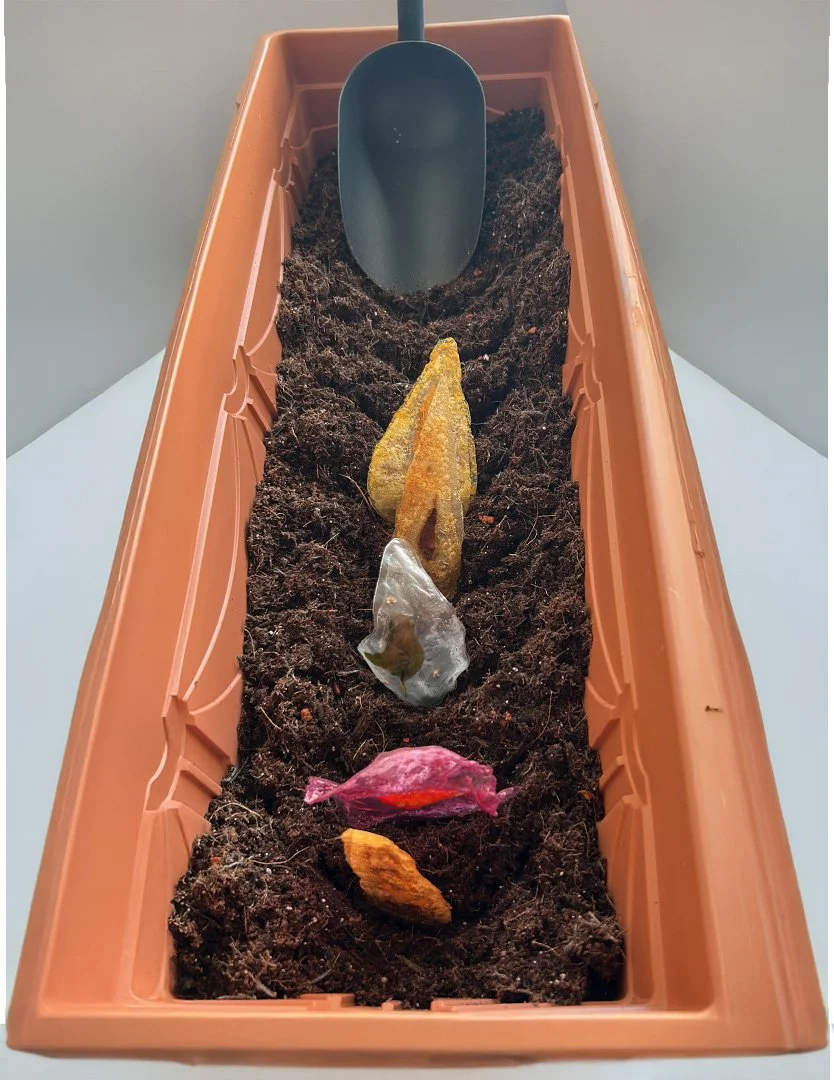
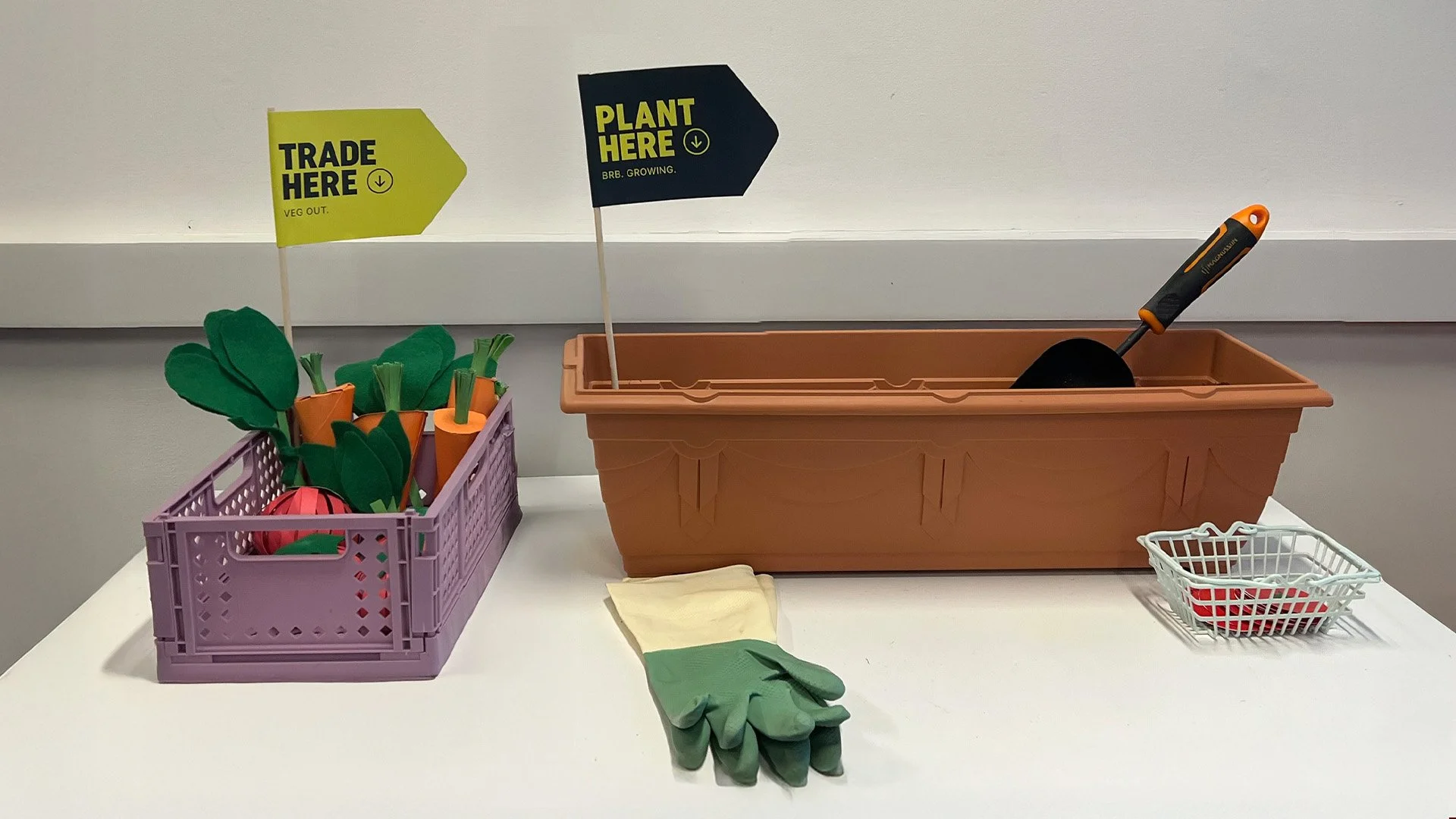
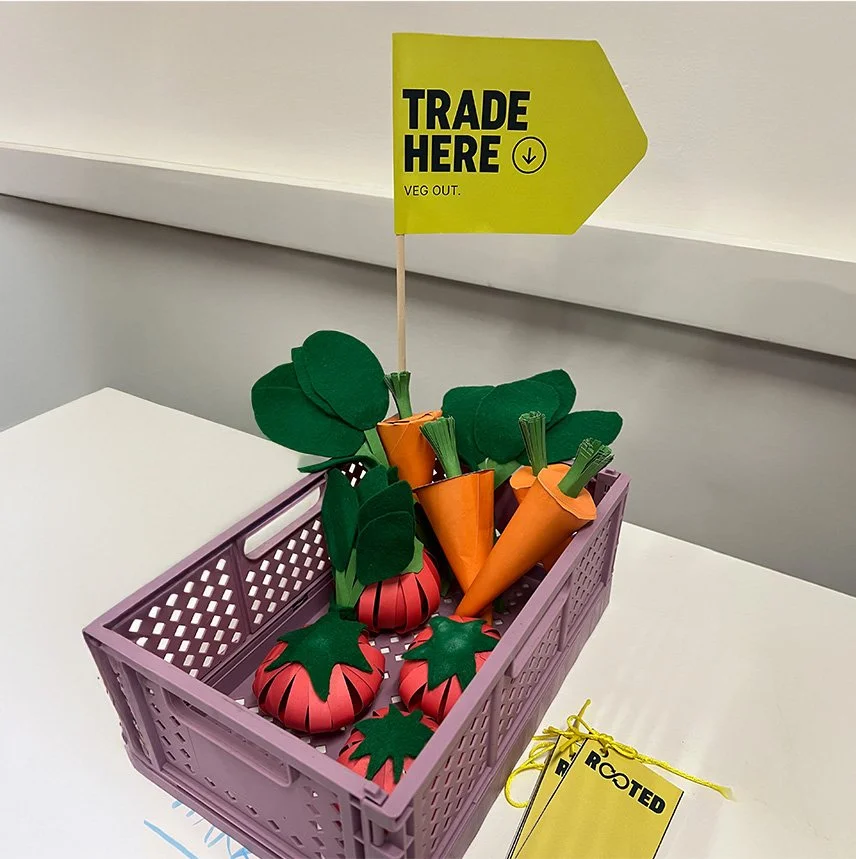
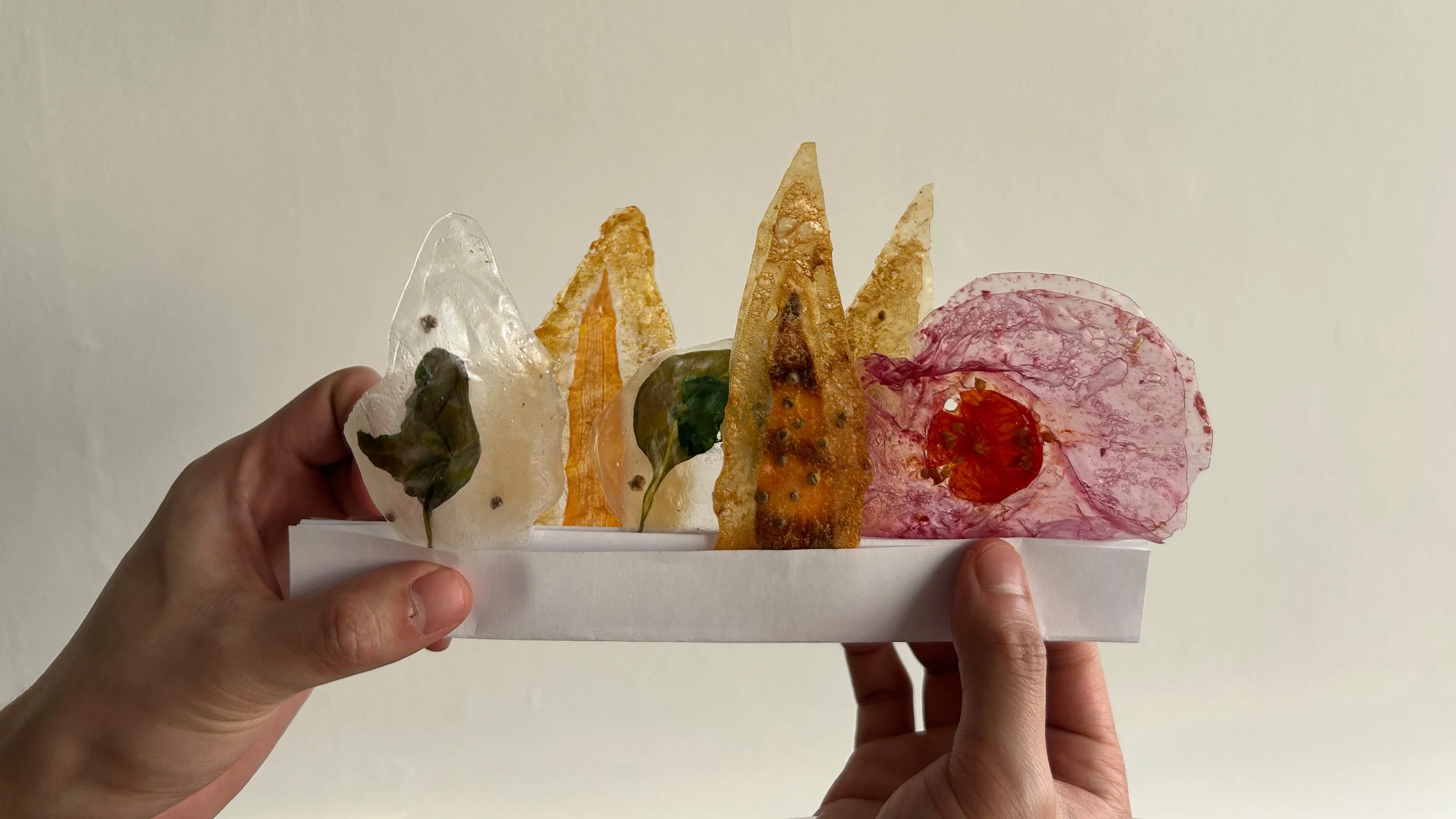
Fig. 1. Our plantable food currency made from vegetables and embedded with seeds of tomato, carrot and spinach (shown in that order). Photographed by the group.
Fig. 2. Rooted logo representing the project’s regenerative system, alongside an open display showcasing the food currency. Photographed by Oindrilla Sinha.
Visual World
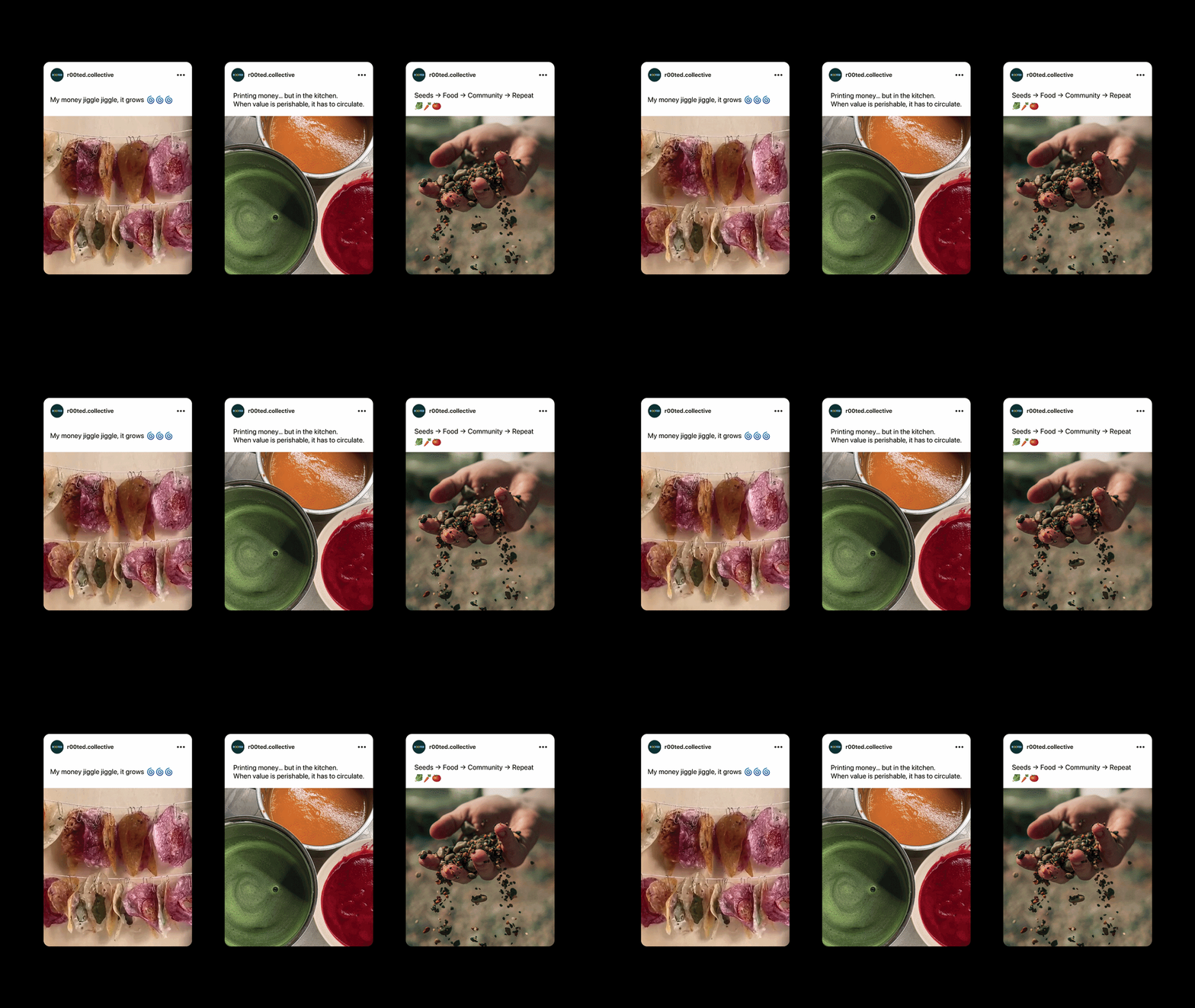
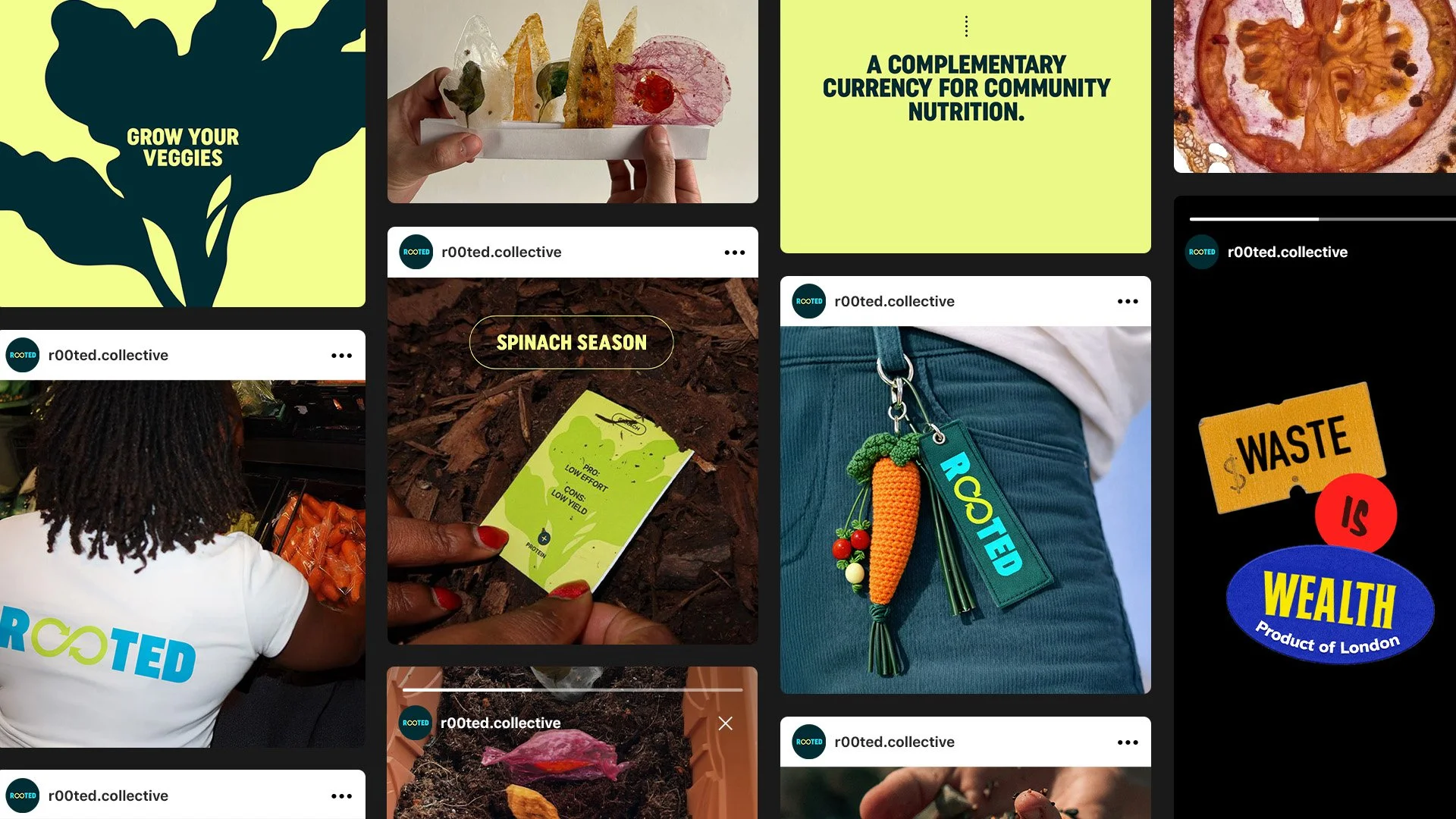
Fig. 8. We used a combination of original photography and royalty-free imagery to build our brand world. Designed by the author.
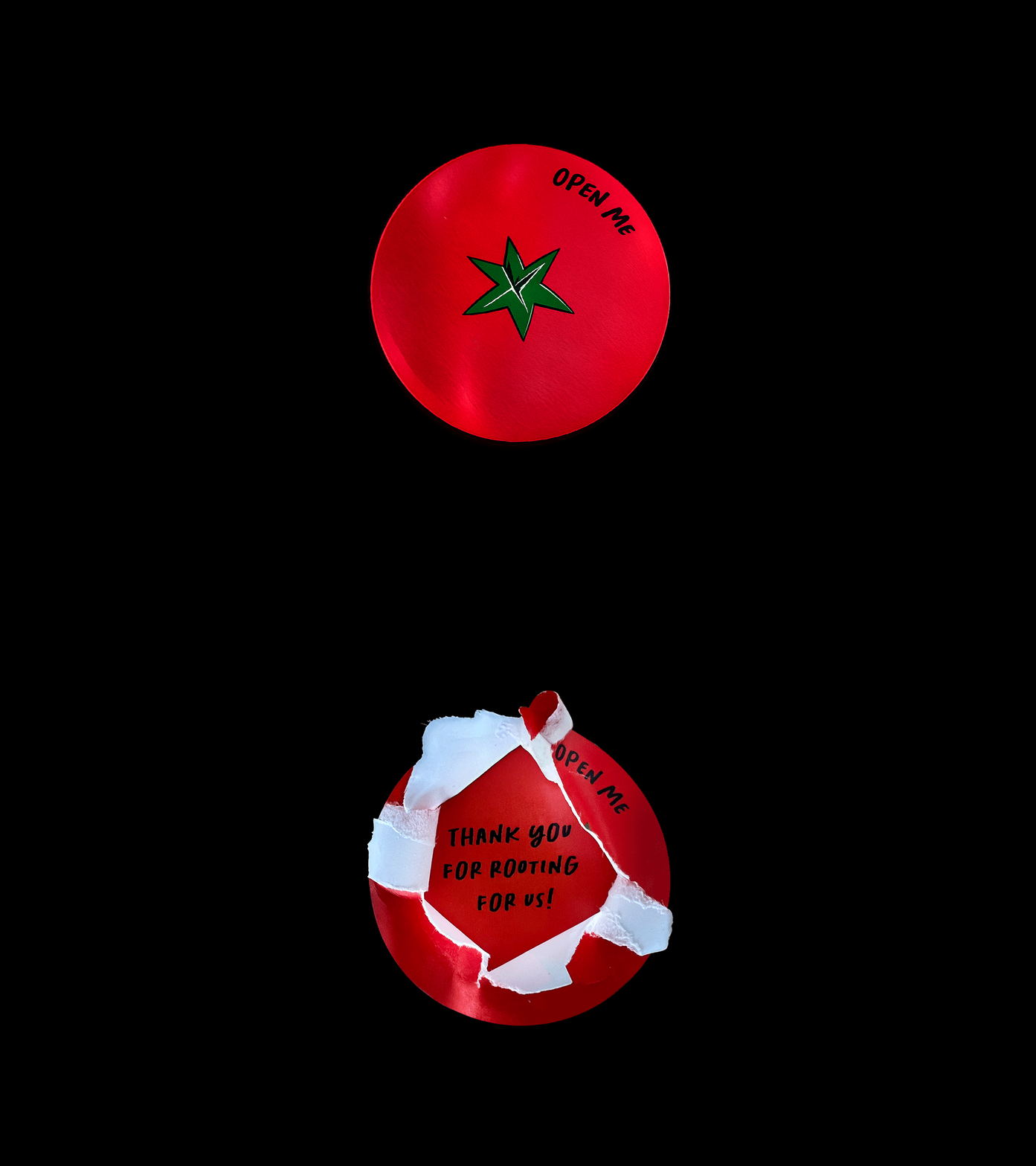
Fig. 9. Closing interaction: a tomato-shaped card invited participants to tear it open and reveal a thank-you message. Designed by the author.
We developed a young, fresh visual identity for Rooted, moving away from the cold feel of traditional currency and towards something more open, approachable and playful.
Reflection
The experience was well received. Participants found the interactions easy to follow and enjoyable to move through. I agreed with the feedback that a short film explaining the full journey, with more thought around how the currency could be carried or stored, would have strengthened the overall experience.
This five-week project was rich with literary research, interviews and experimentation. Reflecting on the process, I realised how unfamiliar I was with how money works. I had always been comfortable using the system, but designing for it exposed how little I understood its structure. That made me appreciate how carefully such structures are designed, while also questioning how difficult it is to challenge flaws embedded in such long-standing systems.
References:
Food Foundation. (2025) Food Insecurity Tracking (Round 16). YouGov.
London Assembly Labour Group. (2022) Child Poverty in London. Data: Trust for London.
Medvedevas, L. (n.d.) Photograph. [online] Available at:https://www.pexels.com/photo/a-hand-with-small-stones-6029267/[Accessed 15 April 2026].