Feb 05 - Mar 12 · Week Four · Macro Unit
Macro UX: Eat the Rich
Revati Banerji I MA UX Design I London College of Communication
Brief: Design a currency based on food
Team: Eniola Aminu · Oindrilla Sinha · Mathew Yue · Jaime Santos Guerrero
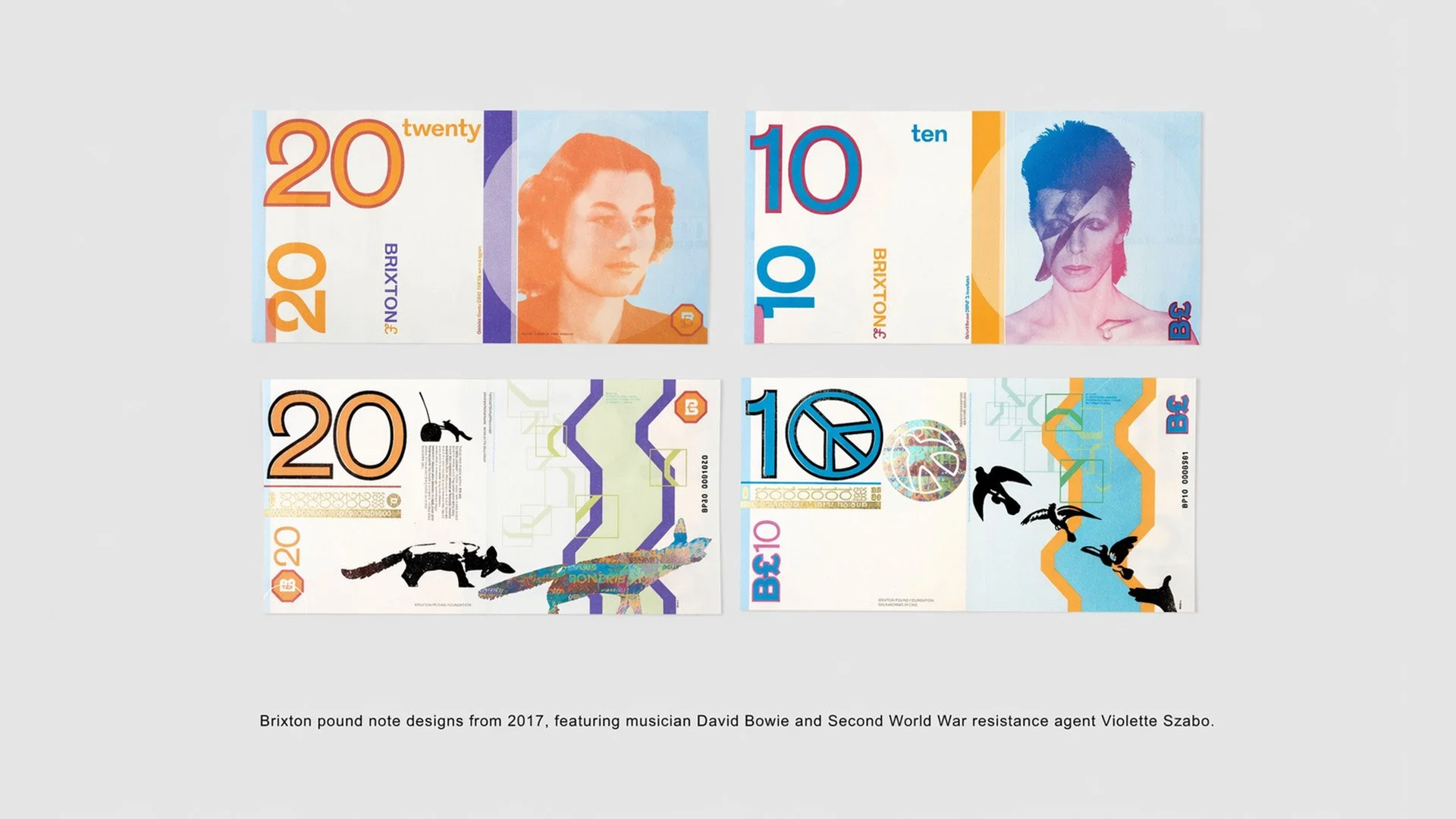
As a newly formed group of five, we shifted from research into prototyping. Inspired by community currencies such as the Brixton Pound, we wanted to imagine a form of exchange centred on nourishment and circulation, rather than replacing conventional currency. Building on our focus on inequality and access, we began testing what exchange within such a system could look like.
Role playing
Exchange
Plantable
Currency
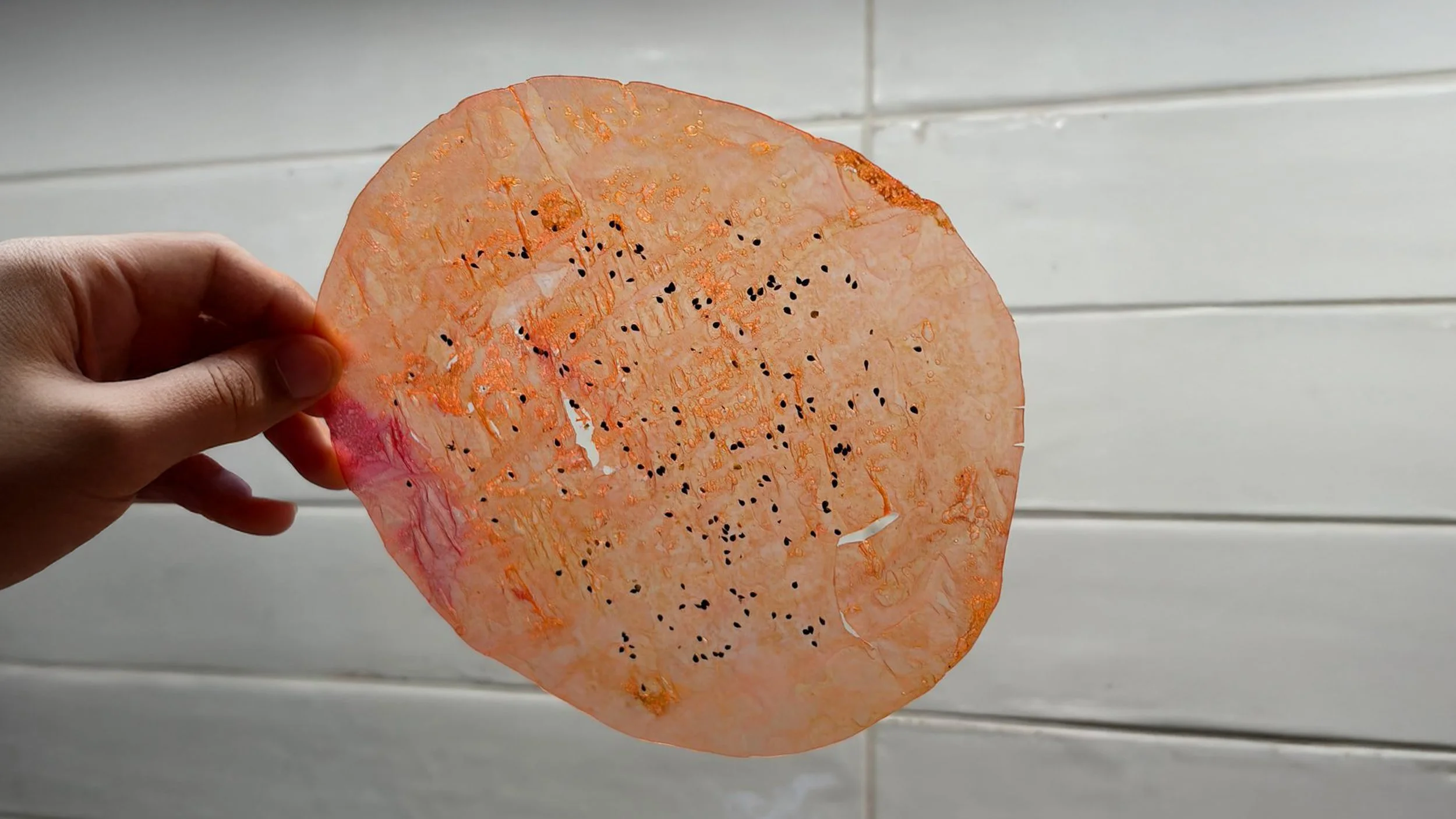
Fig. 4. Prototypes exploring translucent food materials. Rice paper was the easiest material to colour, and baking made it sturdy and transportable. Photographed by Oindrilla Sinha.
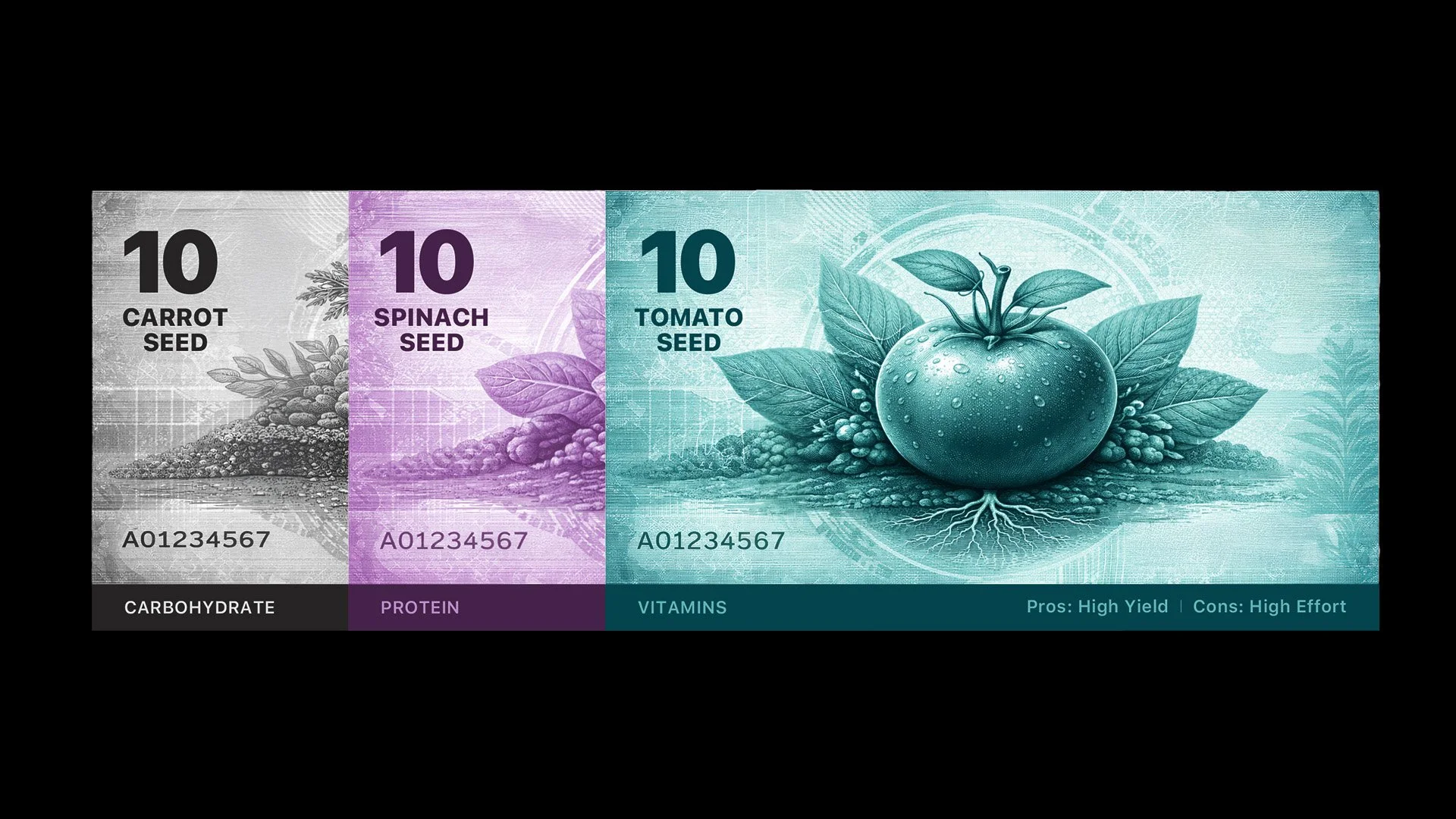
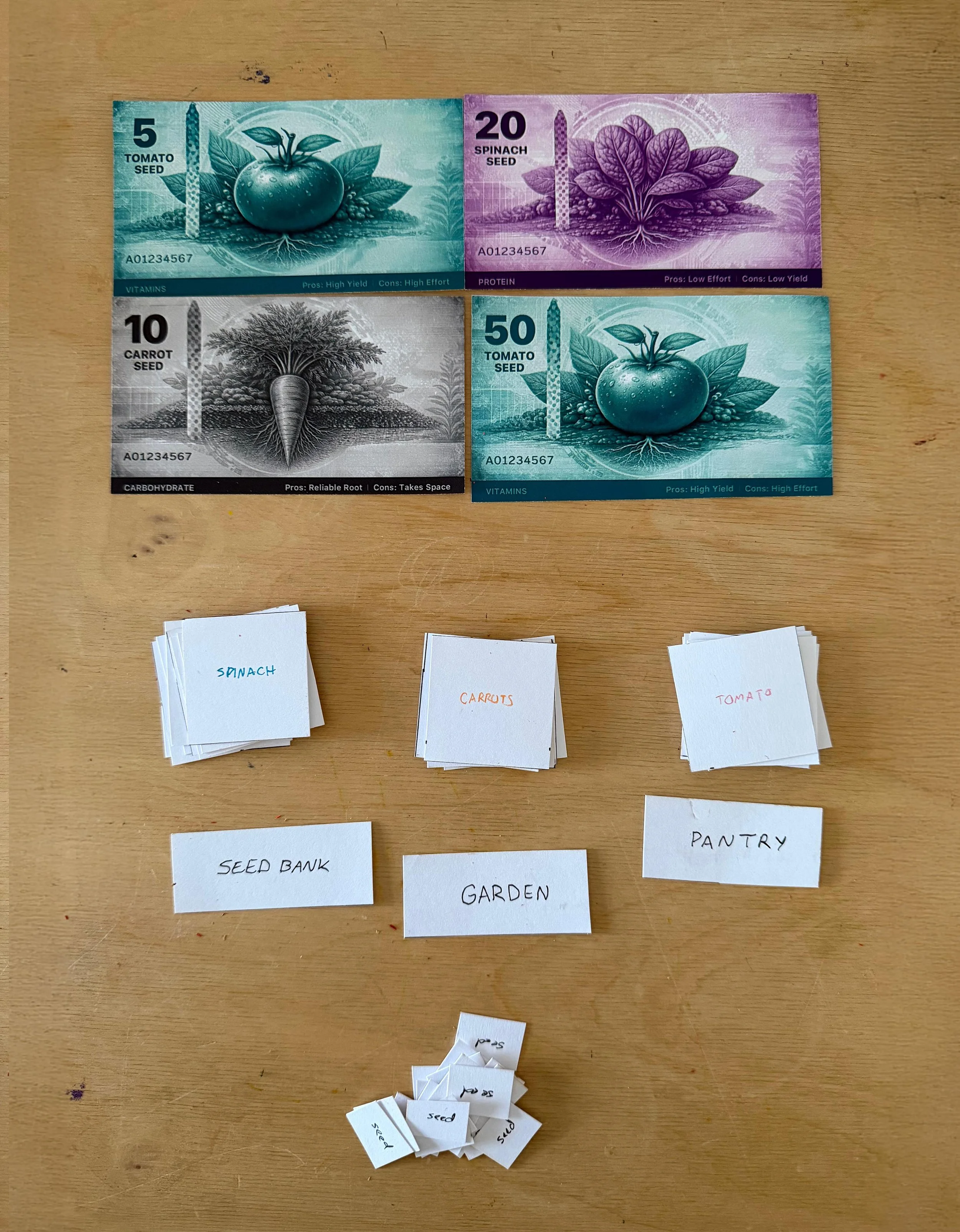
We developed a system based on three vegetables: tomato, spinach and carrot. We chose them because they are familiar and nutritionally distinct, which helped us keep the system simple while tying value to nourishment. We also introduced seasonality, helping all items retain relative value across cycles. Within this model, currency could either be exchanged for fresh produce or planted to grow more, reinforcing circulation rather than accumulation.
While this worked conceptually, the system was too complex to communicate. Feedback pushed us to rethink our approach, particularly our reliance on familiar mental models of currency such as banknotes.
Paper notes unintentionally reinforced behaviours we were trying to challenge:
• Paper currency encouraged hoarding, where value was accumulated rather than circulated.
• “Winning” became associated with having more, rather than contributing to the system.
• It felt unnatural to spend or complete the cycle, despite that being essential to our model.
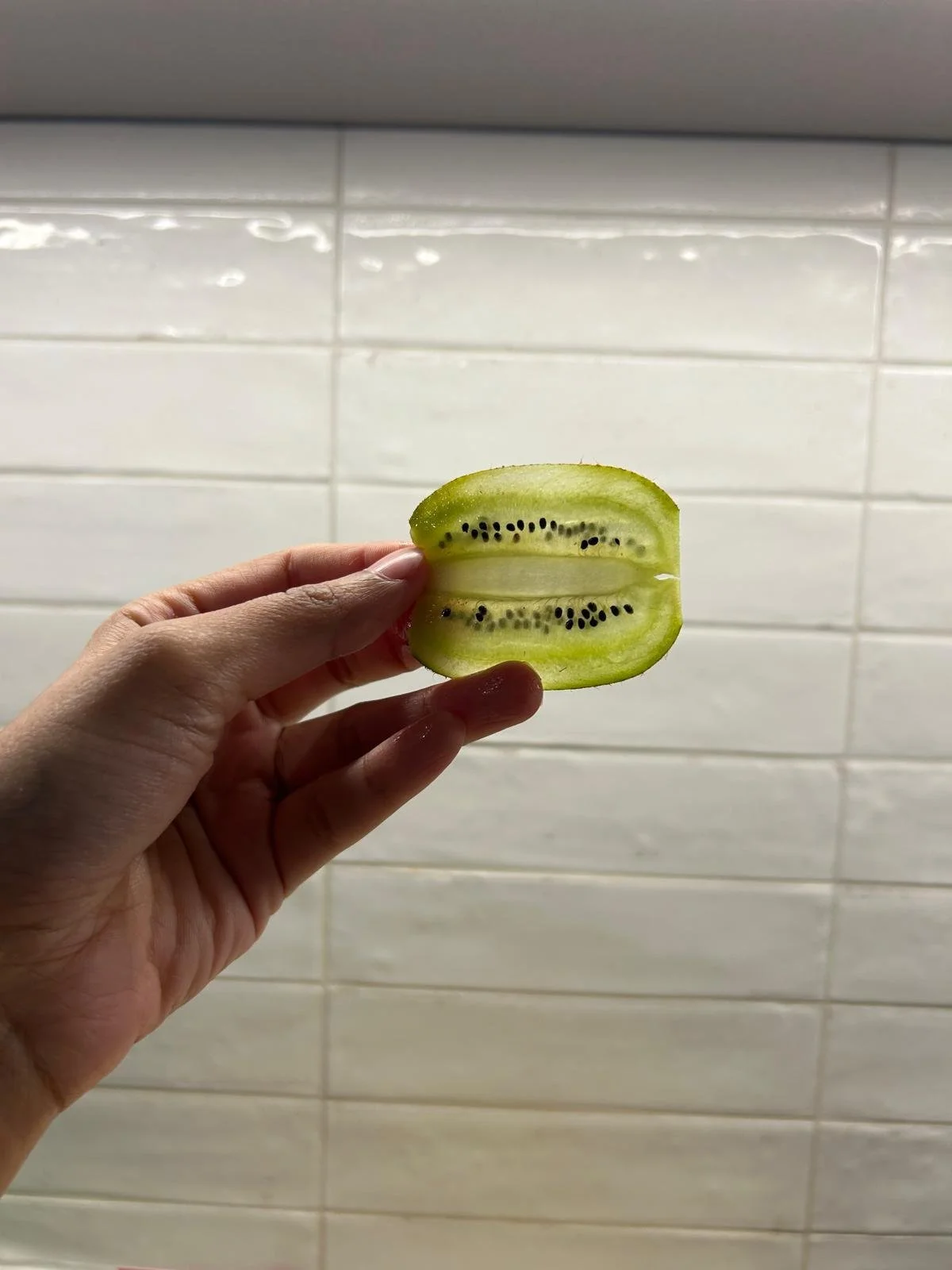
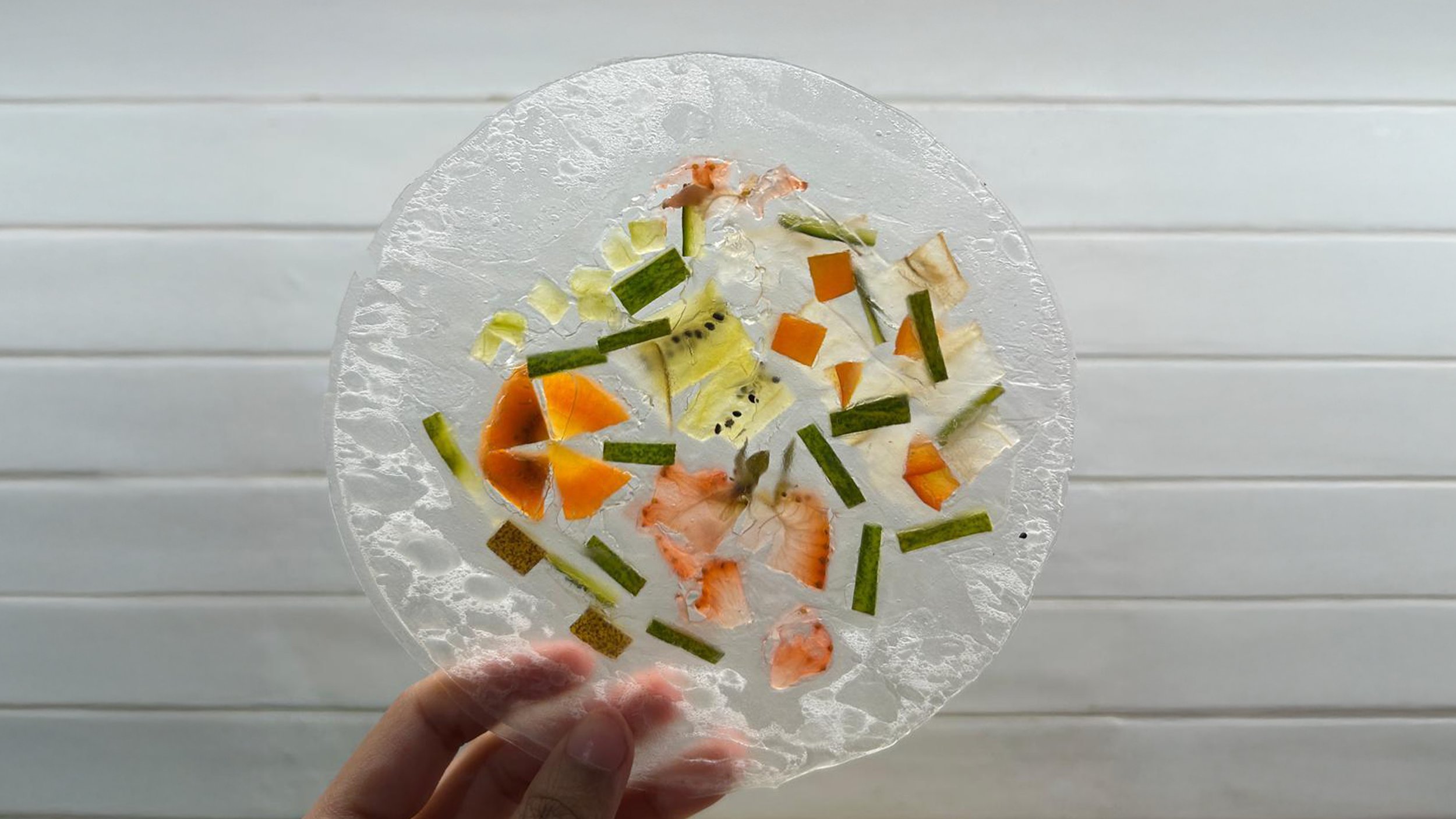
We then moved into material experimentation. We decided early on not to make the currency edible for hygiene reasons. Thin slices of vegetables created a transparent quality that supported our transparent exchange system, while the currency itself was embedded with seeds so it could be planted. This shifted value away from ownership and towards growth.
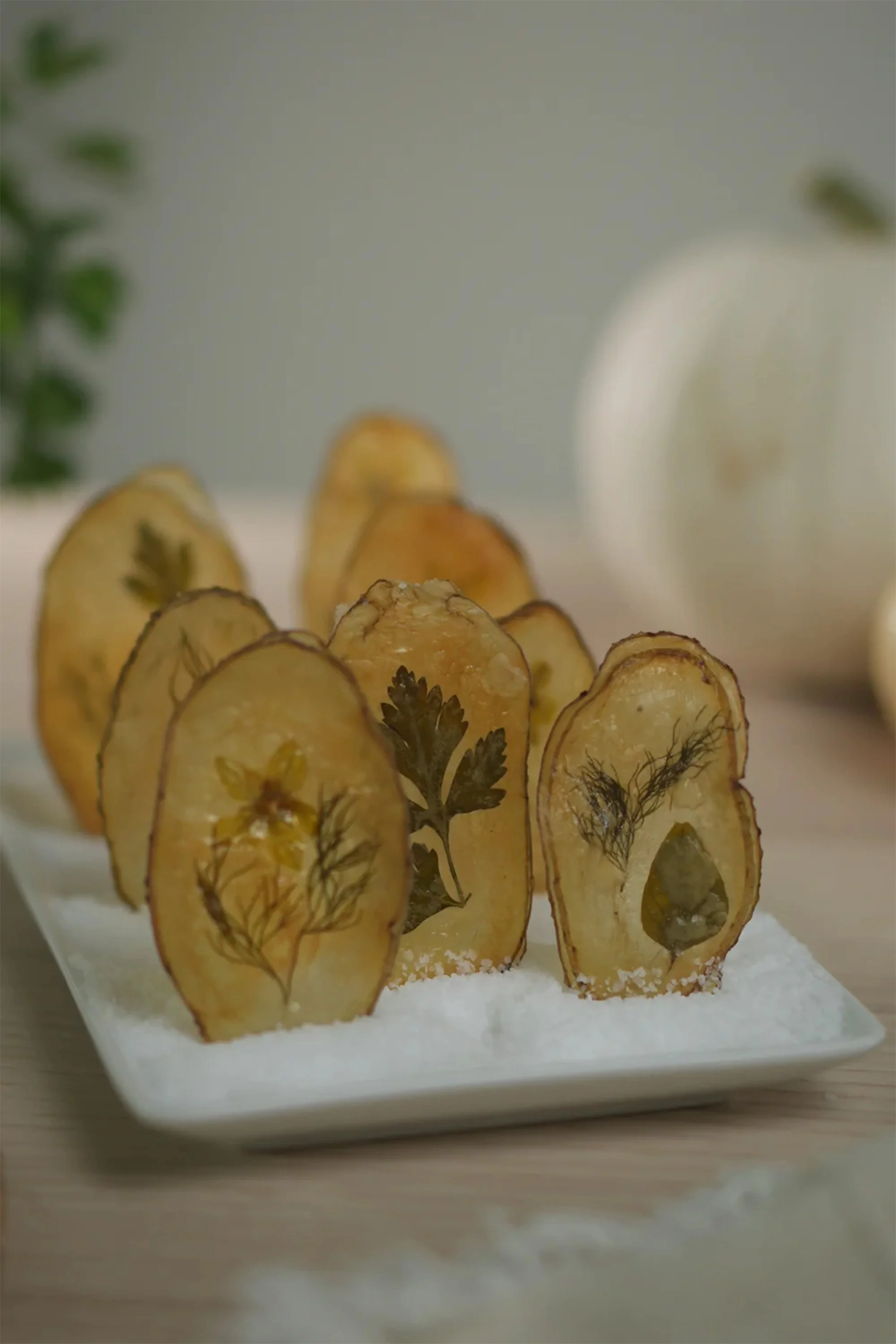
Fig. 3. Visual references for our food-based currency, exploring translucent materials embedded with seeds that could grow into crops.
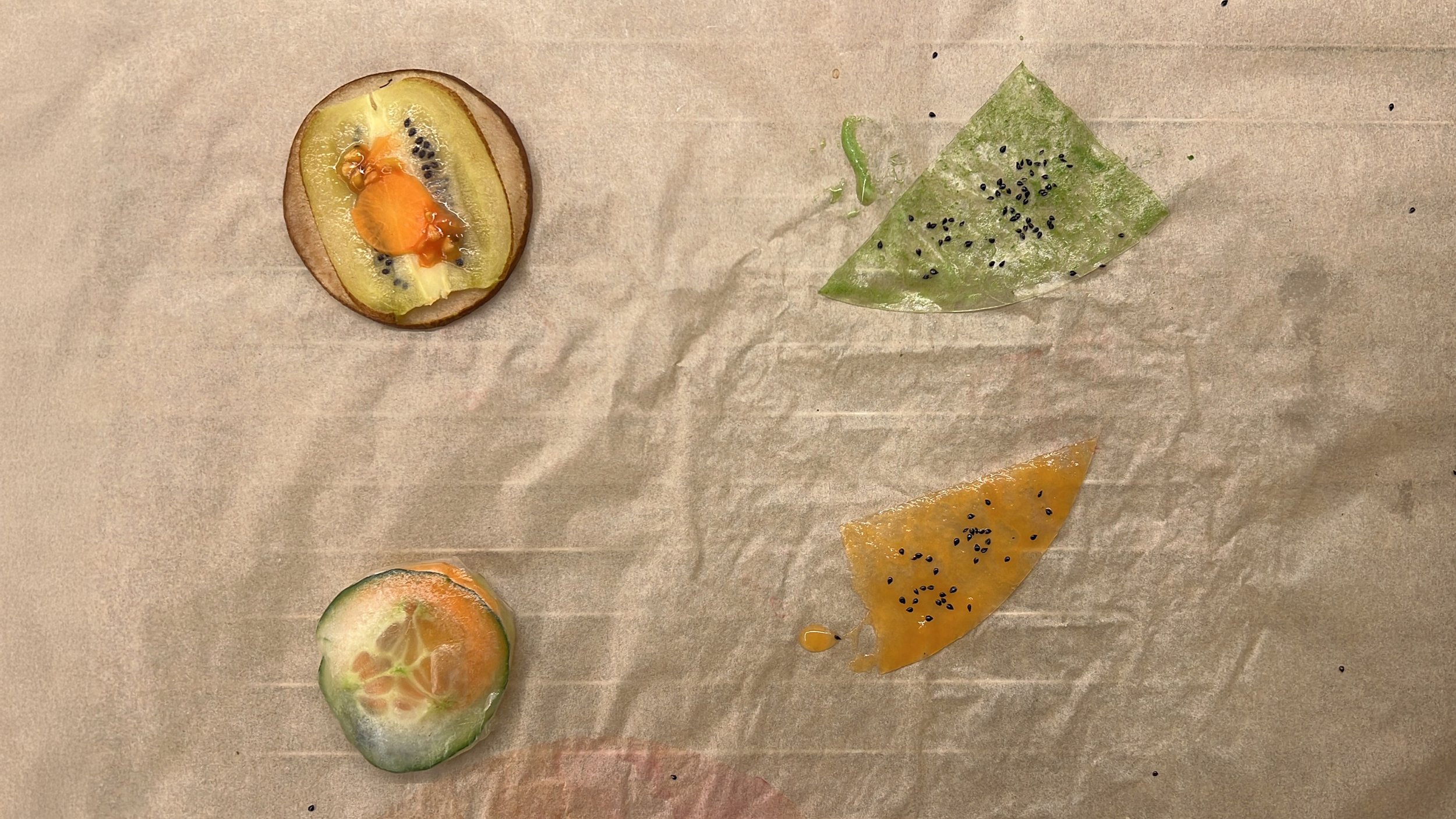
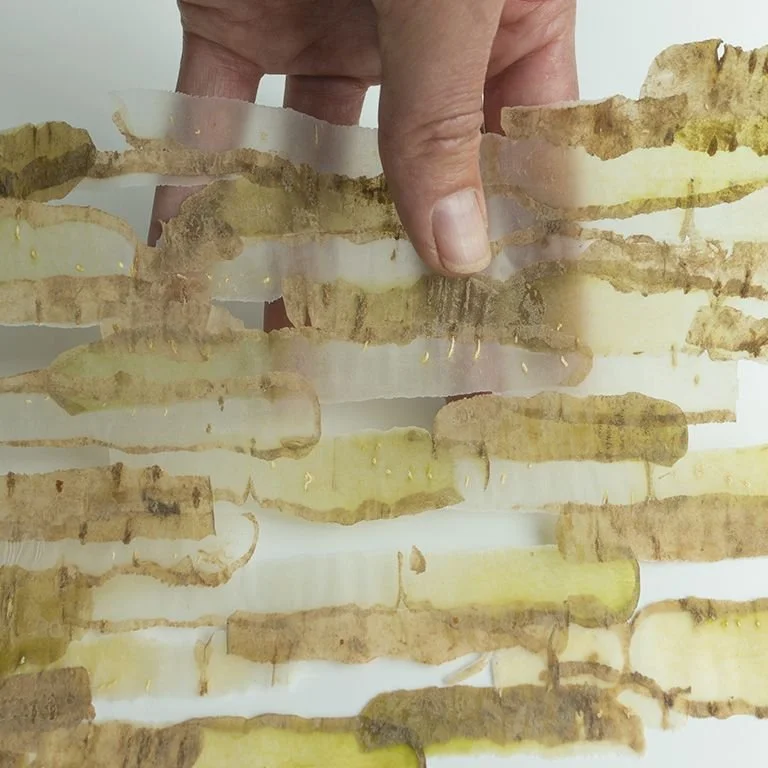
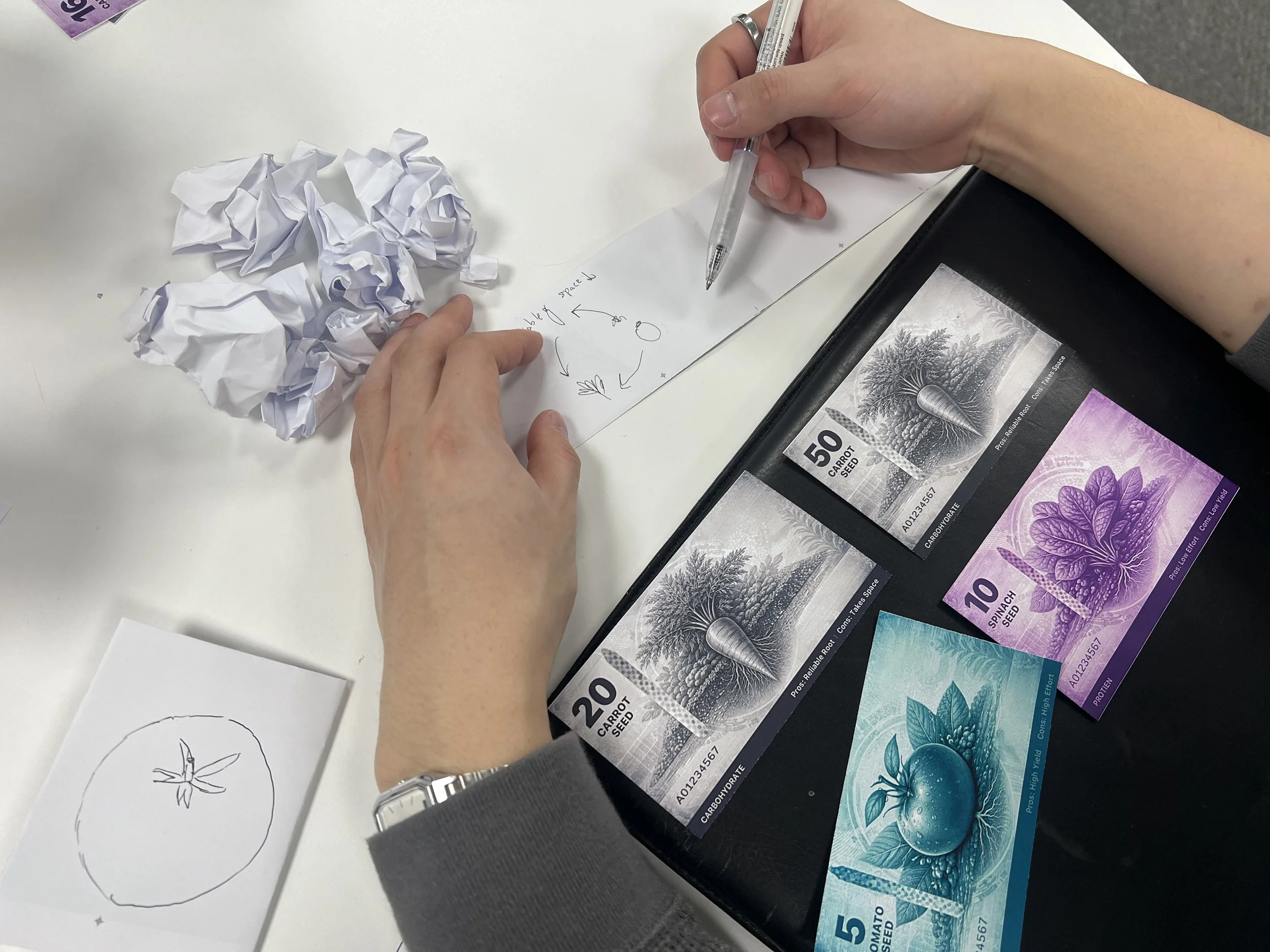
Fig. 1. The Brixton Pound, a former complementary currency, was designed to encourage local spending because it could only be used with local businesses.
Fig. 2. AI-generated mock-ups and storyboard illustrating a possible food exchange system using plantable seed notes. Proposed and photographed by Jaime Santos Guerrero.
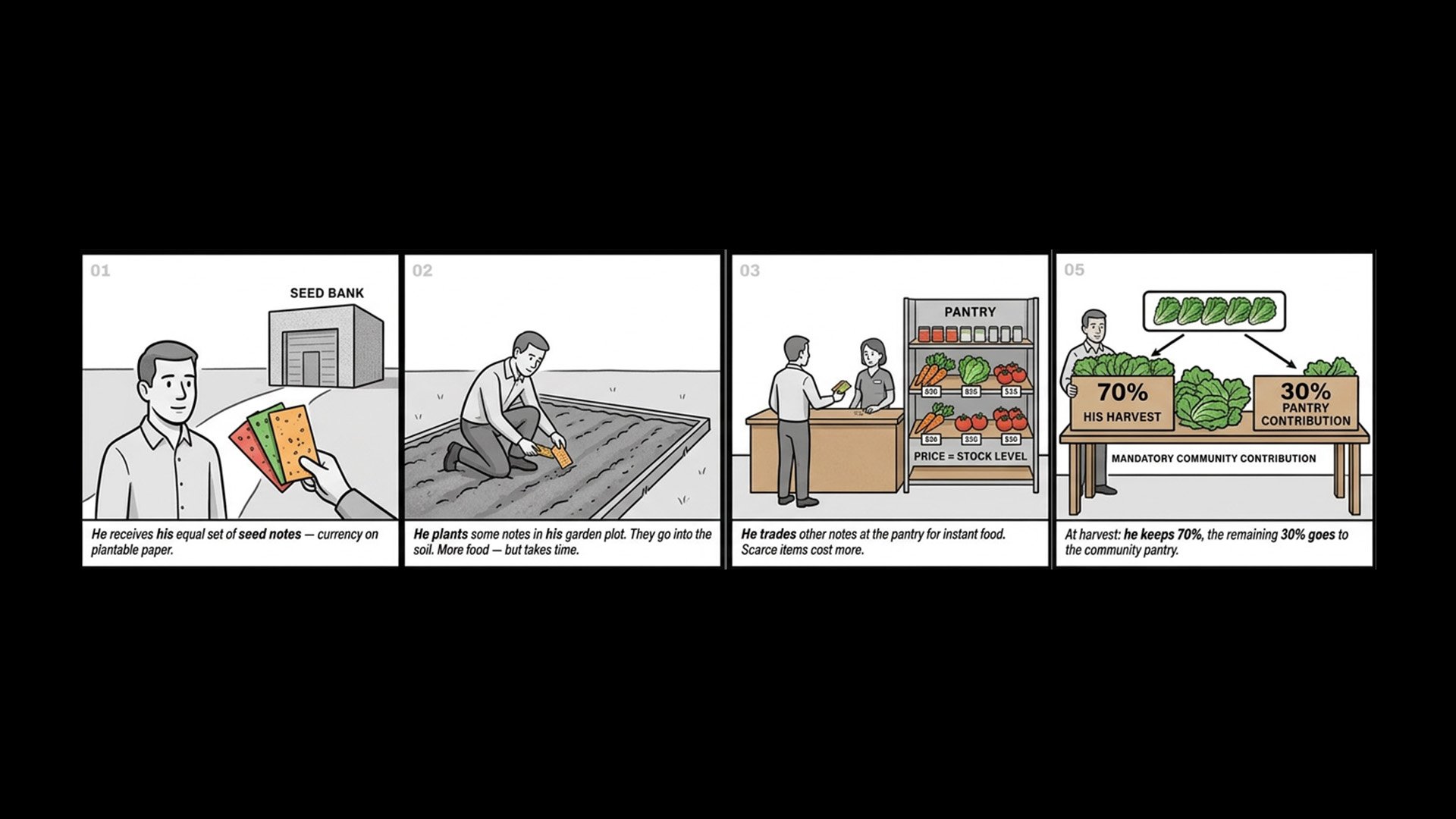
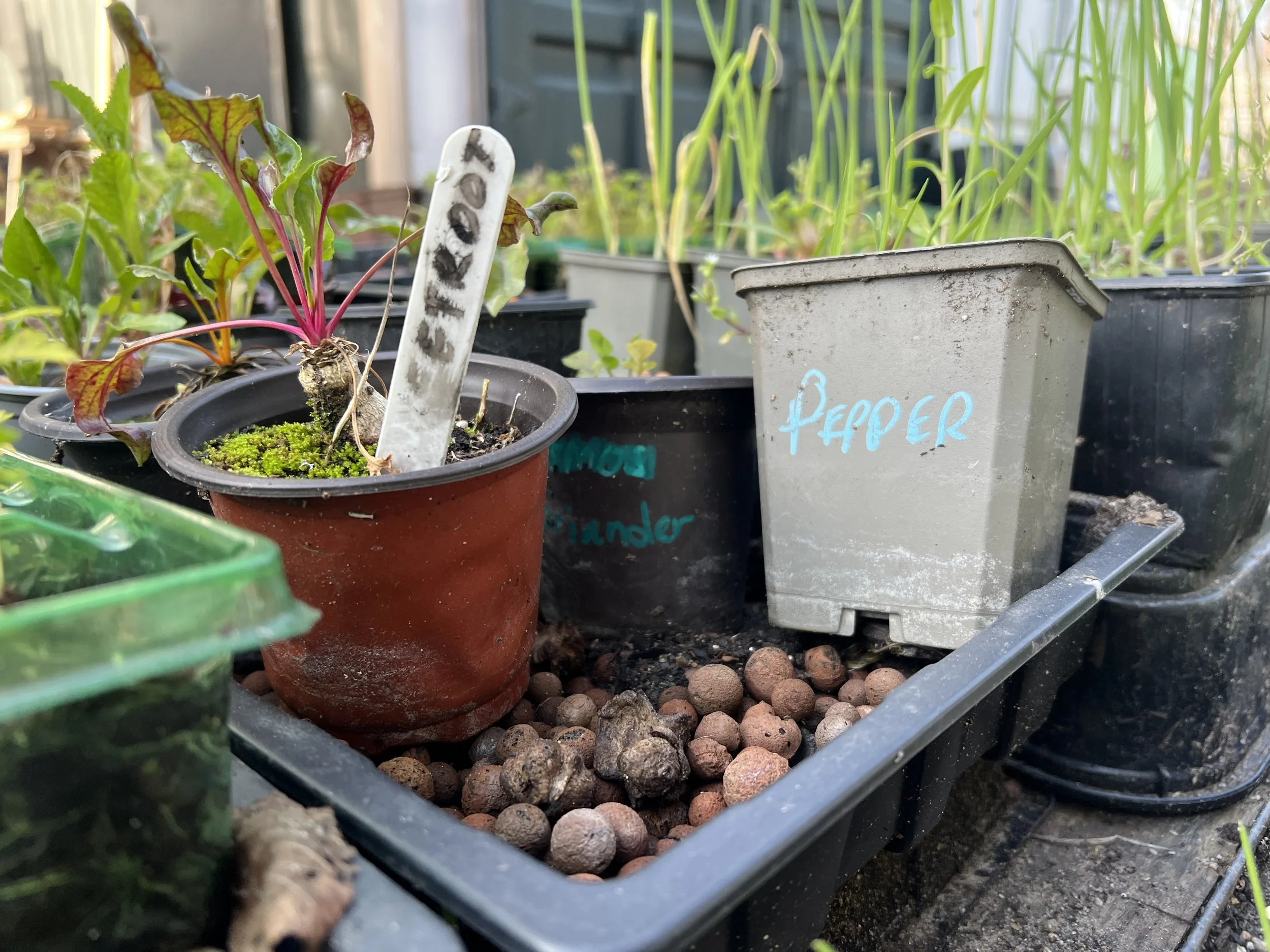
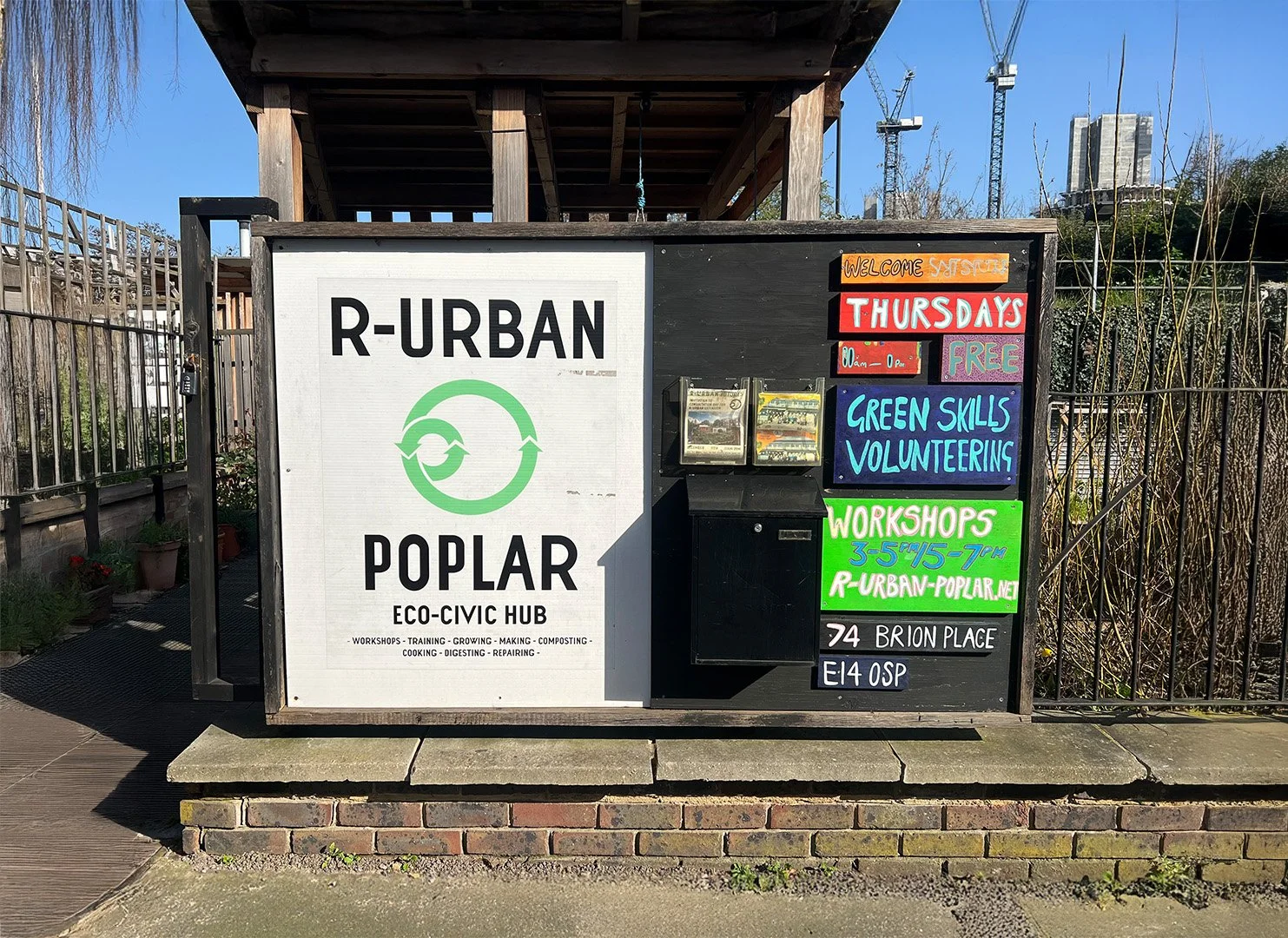
Fig. 5. R-Urban Poplar, an eco-civic hub in Poplar, London. Photographed by the author.
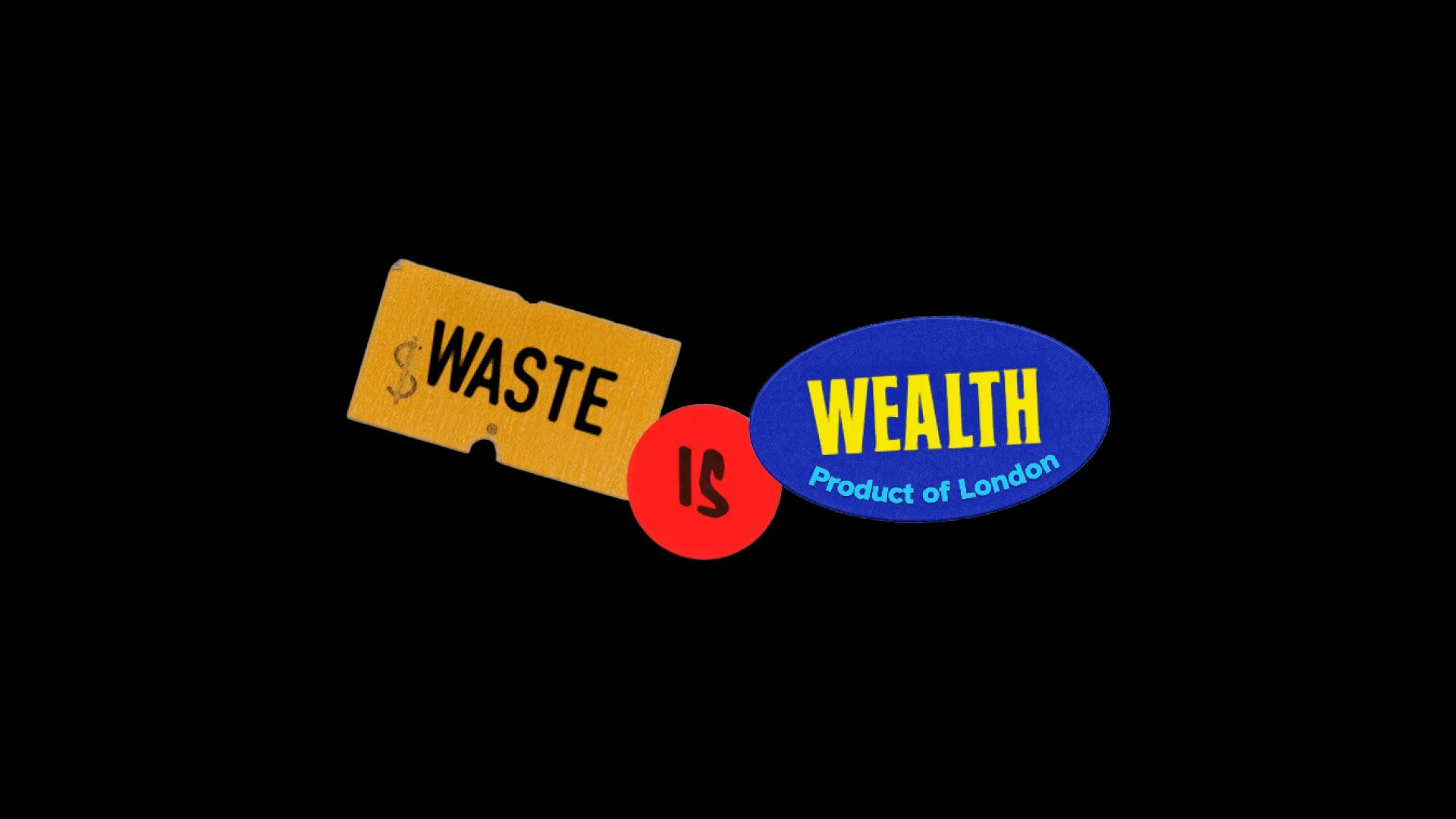
R-Urban’s model showed how systems can become more sustainable by treating waste, food and energy as connected. In our conversation with Rokiah Yaman, one idea stayed with us: “waste is wealth.” Food waste was repurposed through biodigesters to produce gas and fertiliser, which could then be used to power community facilities, making the system more self-reliant. At the same time, this only works through community participation.
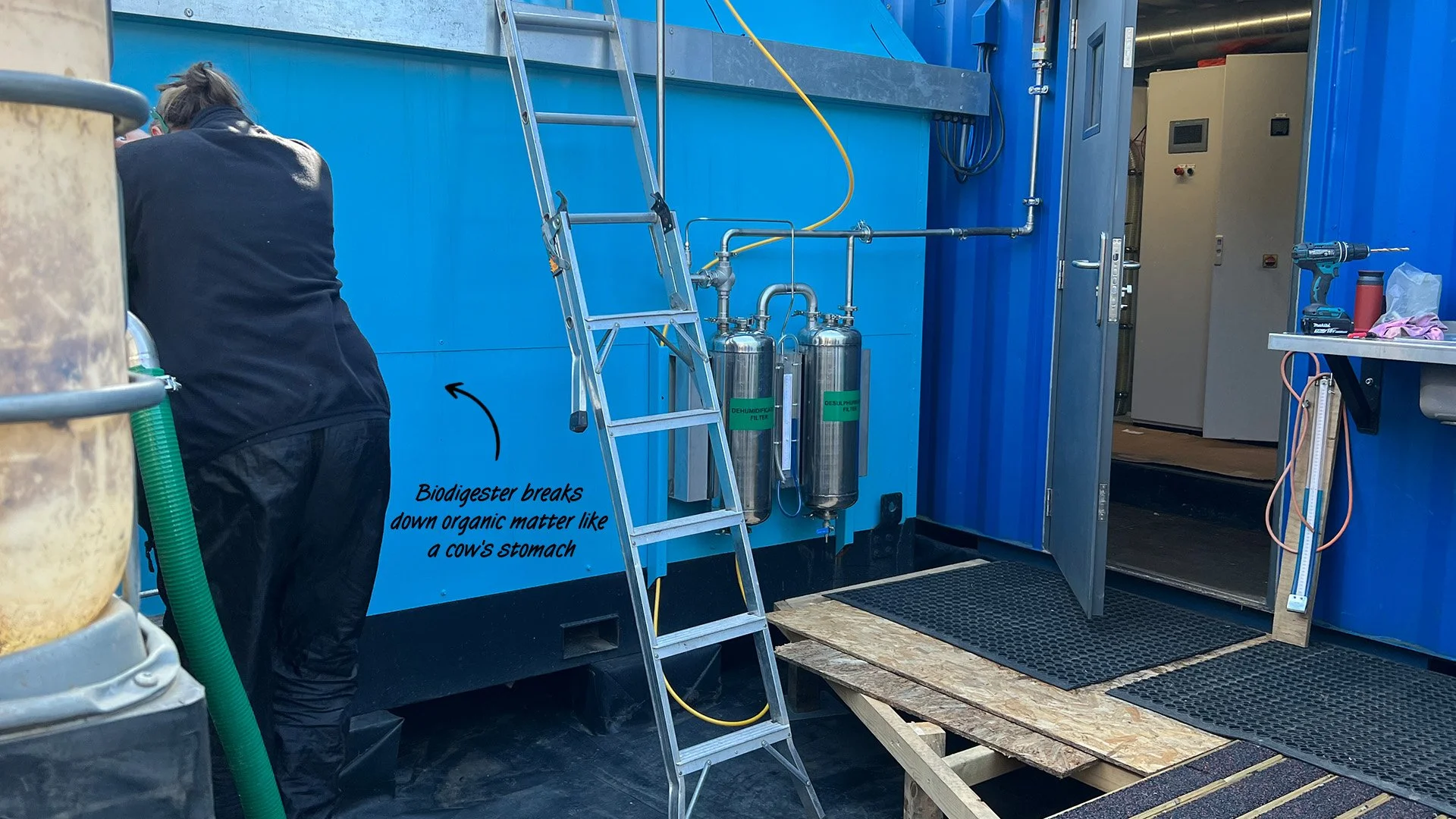
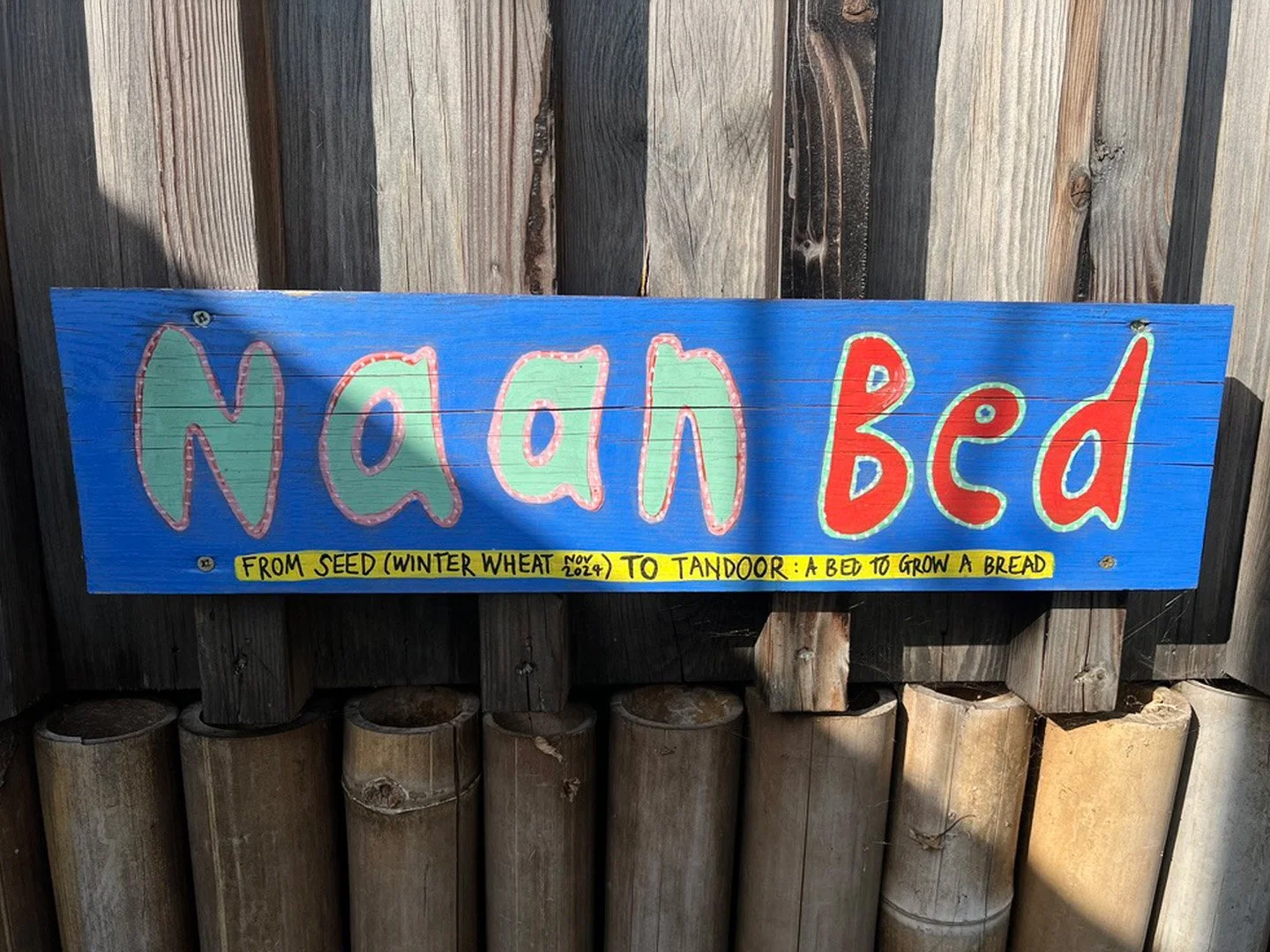
Fig. 6. Anaerobic biodigester at R-Urban Poplar, where organic waste is broken down to produce biogas and digestate, a nutrient-rich liquid fertiliser. Photographed by the author.
R-Urban
Poplar
Following our Week 3 visit to Canary Wharf, we wanted to look at a contrasting context nearby. This led us to Poplar, a lower-income neighbourhood. There, we came across R-Urban, a community hub focused on circular food systems, reuse and repair. Its bottom-up approach means it is shaped through local participation rather than directed by a governing authority.
Reflection
Our visit to R-Urban confirmed our direction and showed that a more circular, community-led system could exist in practice.
This aligned with Ursula K. Le Guin’s The Carrier Bag Theory of Fiction, which values gathering and sharing over power and accumulation (Le Guin, 1986). Rather than understanding Eat the Rich only as confrontation, we began to see it as a system of redistribution rooted in care for the community.
References:
Le Guin, U.K. (1986) The Carrier Bag Theory of Fiction, pp. 165–170.
Ovdan, D. (2023) Windowpane Potato Chips (Fool-Proof). [online]
Available at: https://dakotaovdan.com/windowpane-potato-chips-fool-proof/
[Accessed 15 April 2026].
R-Urban Poplar. (n.d.) R-Urban Poplar. [online]
Available at: https://r-urban-poplar.net/
[Accessed 15 April 2026].
Sparkes, V. (n.d.) How London’s Alternative Currencies Made Change. [online] London Museum.
Available at: https://www.londonmuseum.org.uk/collections/london-stories/how-londons-alternative-currencies-made-change/
[Accessed 15 April 2026].
van der Valk, A. (n.d.) Vegetable Works. [online] Available at: https://www.angeliquevandervalk.nl/
[Accessed 15 April 2026].