Oct 02 - Oct 16 · Week Three · Studio Practices
The UX of Digital Interfaces
Revati Banerji I MA UX Design I London College of Communication
Brief: Design a physical environment derived from a digital one
Team: Mingzhi Zhang · Shivangee Mishra · Xiyan Lou · Muskan Gupta · Diya Agrawal
New week, new brief and a new team.
We began by individually exploring digital platforms that we were curious to translate to physical experiences.
Solo Exploration
-
Unlike real-life interactions, WhatsApp allows us to edit conversation, curate replies, seek a friend’s advice before responding, revisit old chats to reminisce or use as proof in an argument. Ignoring someone or leaving them “on read” mid-conversation is acceptable online, but wouldn’t work offline. I imagined this as a comedic performance that highlights how strange these behaviours feel when taken out of a digital context.
-
Explore how music becomes part of personal identity. Why are some songs embarrassing to like, while knowing obscure ones carries social value?
-
How rude would it be if we spoke to people the way we write prompts?
The group settled on exploring Hinge. I’ve never been on Hinge myself, but I’ve always appreciated its tagline, “designed to be deleted,” and its playful campaigns (referenced below). It’s a bold line and clever brand positioning that makes dating feel authentic and approachable, even if it doesn’t realistically align with an app owned by Match Group, a company that generated roughly $3.46 billion in revenue in 2025.
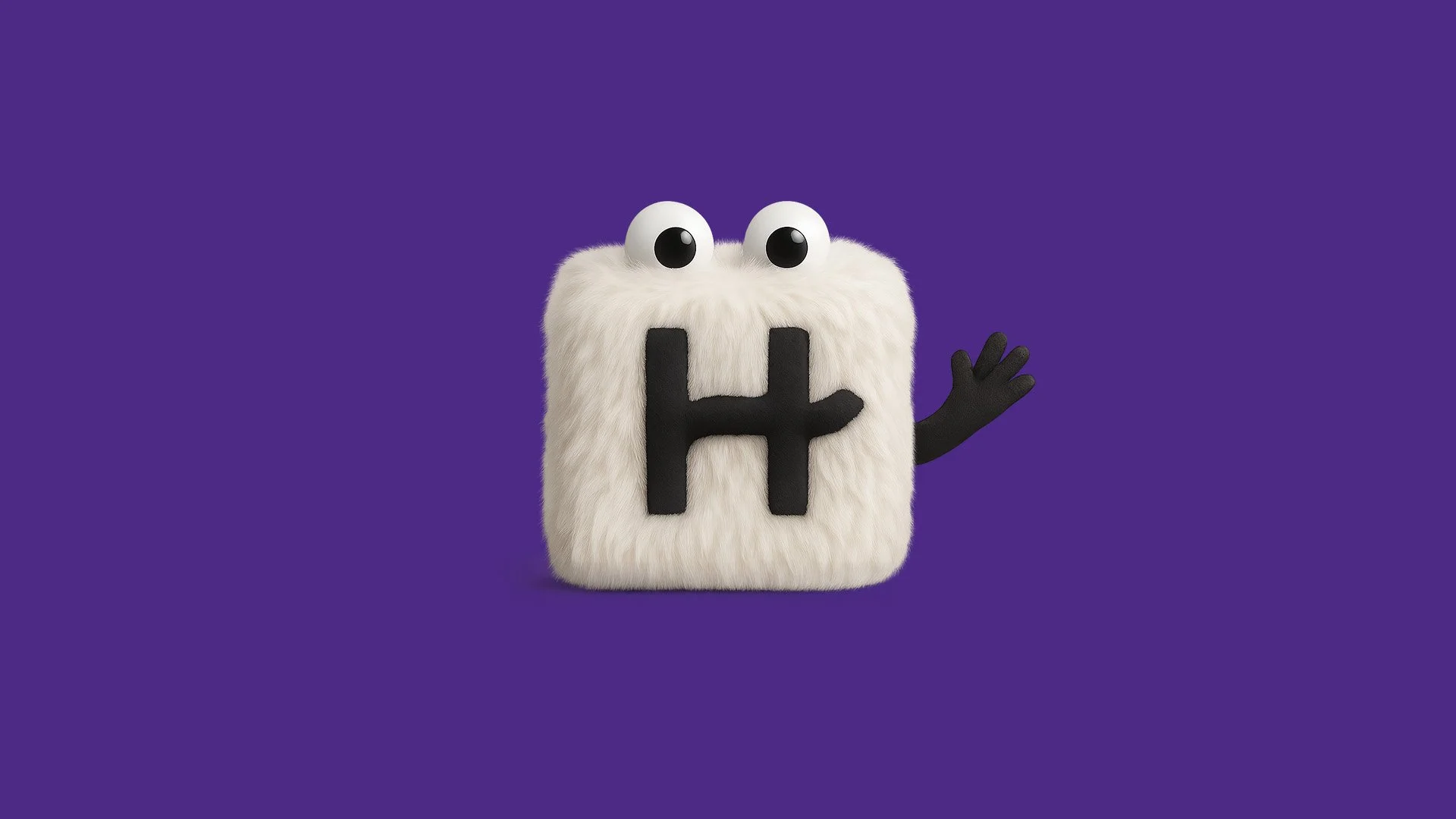
Meet Hingee
Hinge often represents itself as a character called Hingie, who meets his end in the most creative and hilarious ways, every time users find a meaningful match.
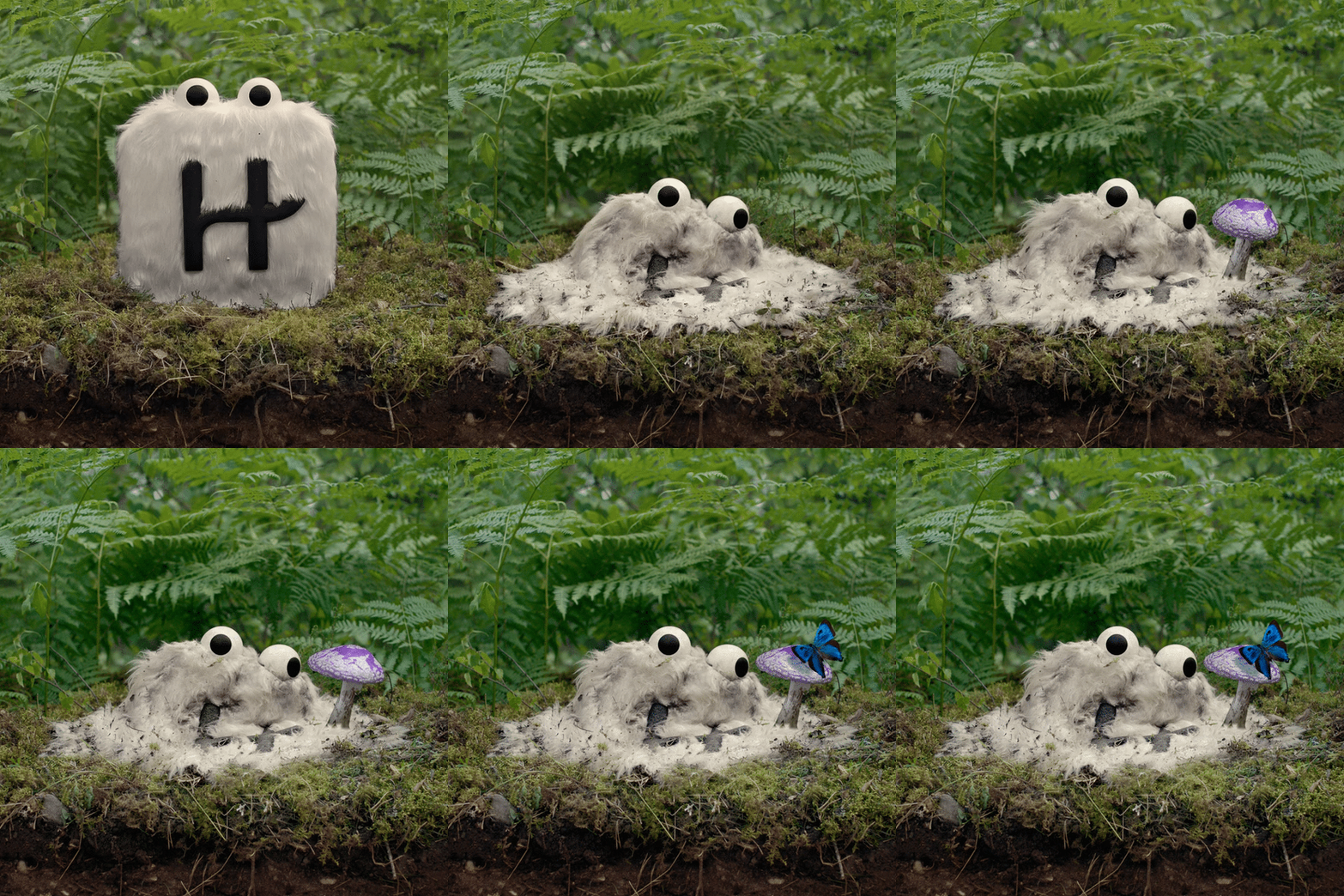
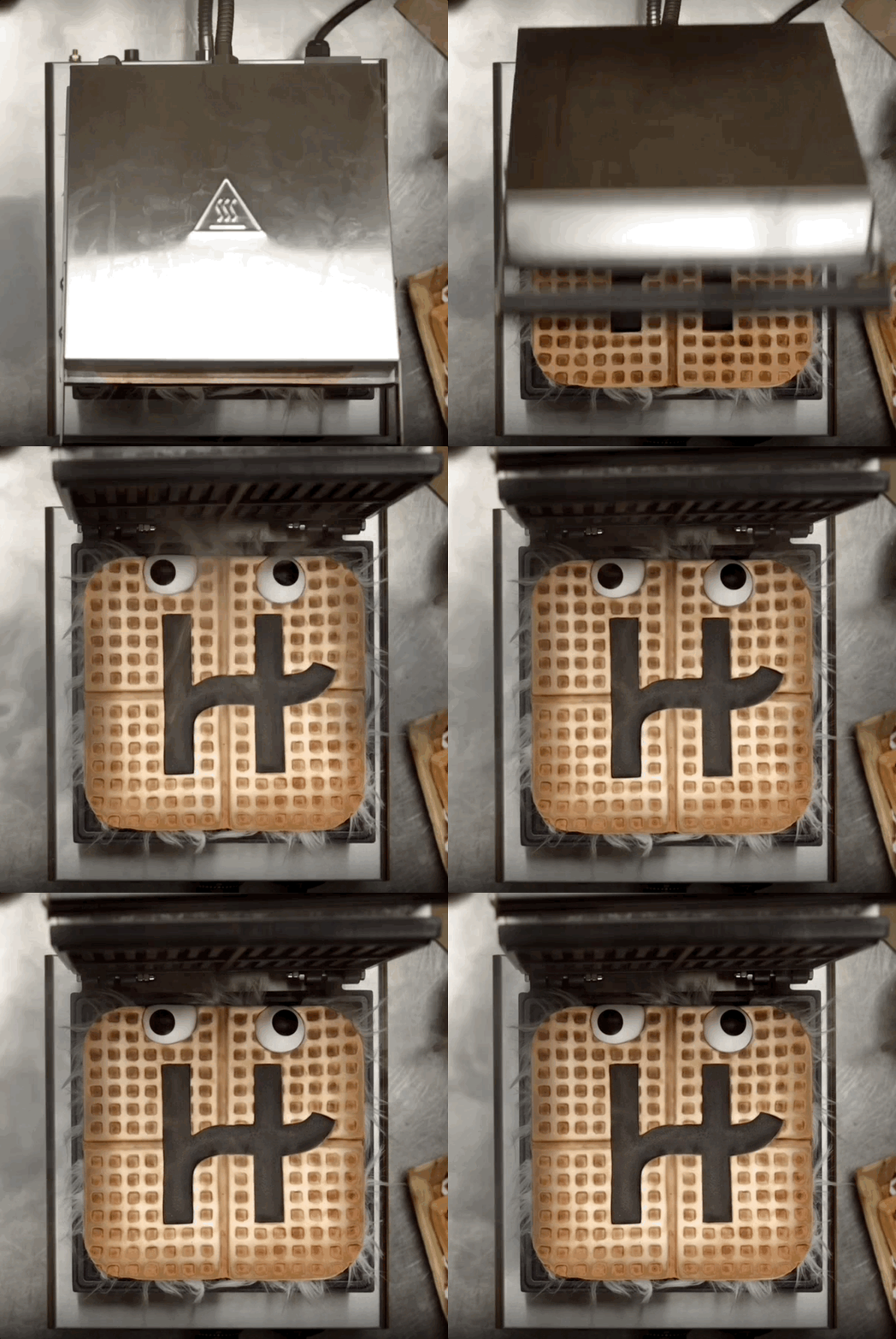
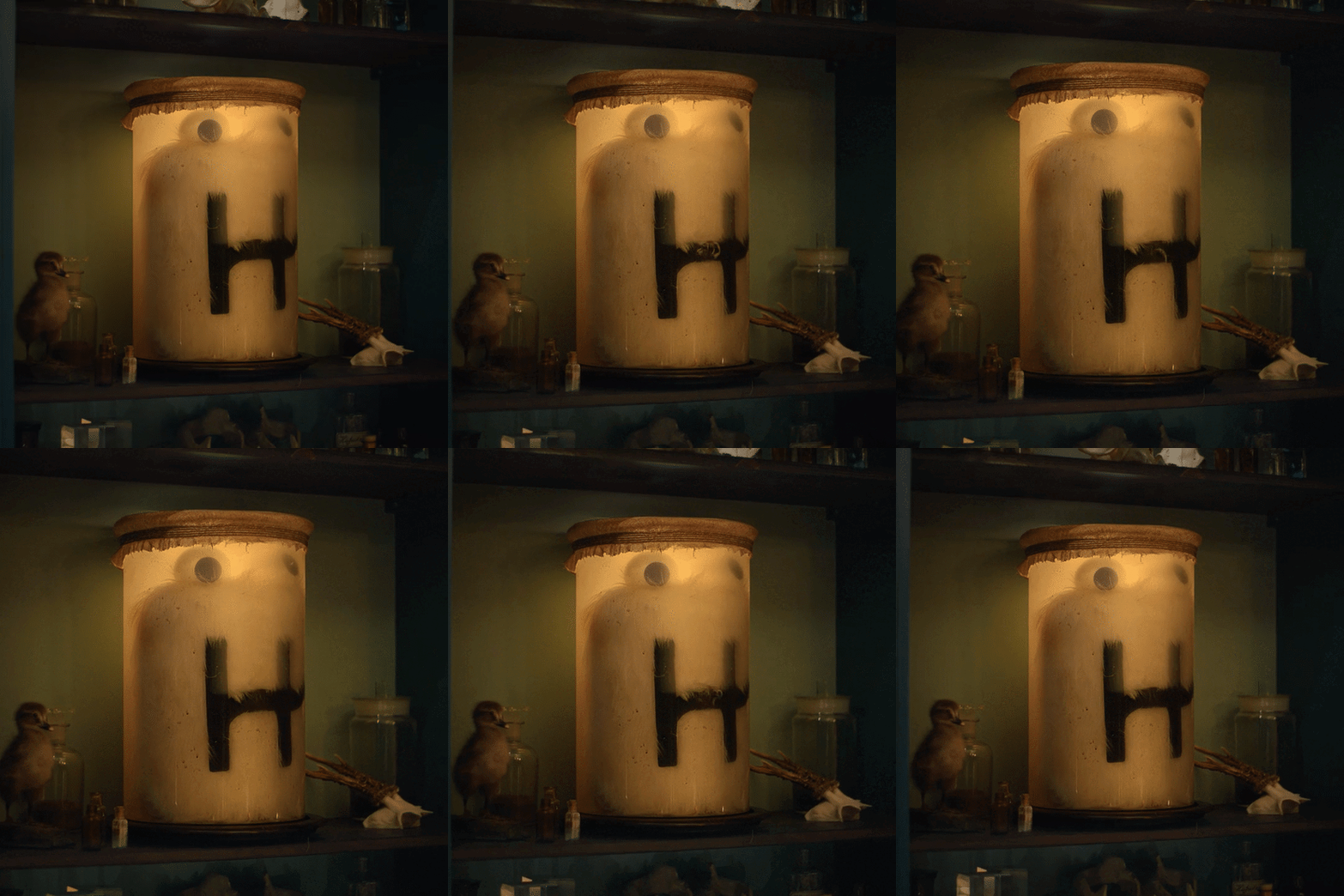
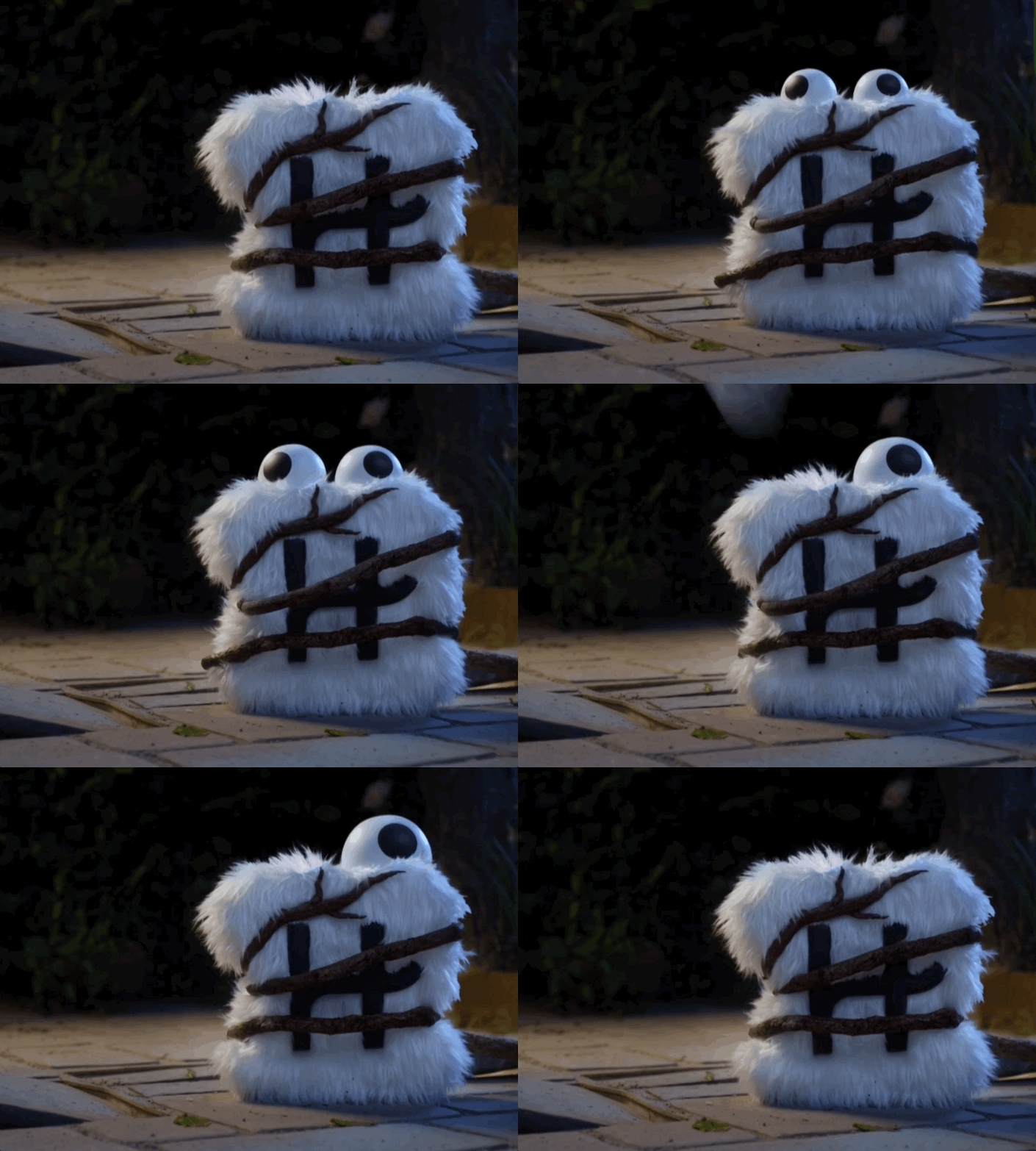
Fig. 2. Hinge brand campaign by Red Antler.
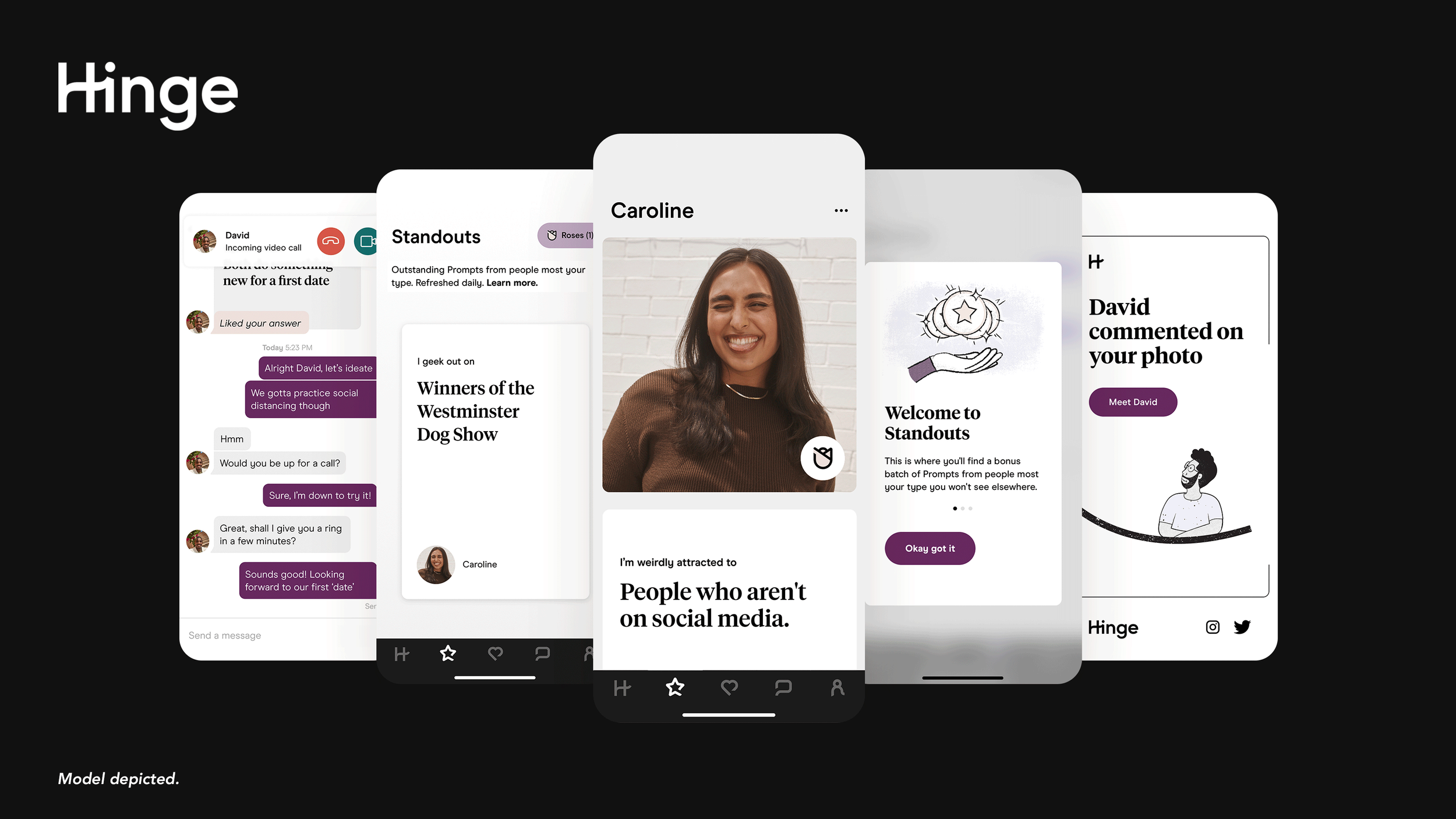
Fig. 1. Hinge brand campaign by Red Antler and interface screens from the Hinge brand toolkit.
Onboarding
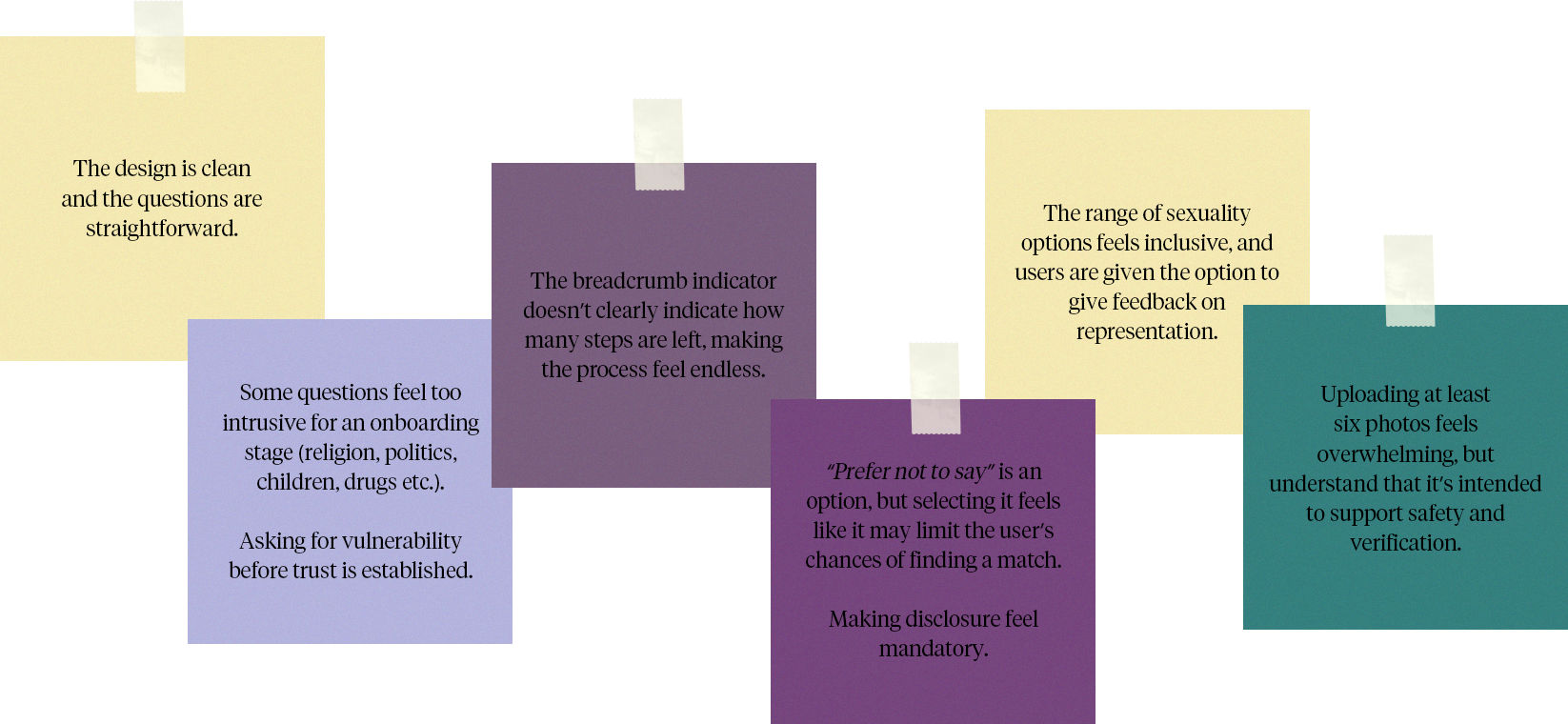

Fig. 3. Hinge onboarding process and initial obersvations.
Once we understood the brand’s playful personality, we downloaded the app to explore the user journey. Different people dropped off at different stages, depending on their comfort level. What stood out to us was how much personal information is required during the onboarding process alone, even before any real interaction takes place.
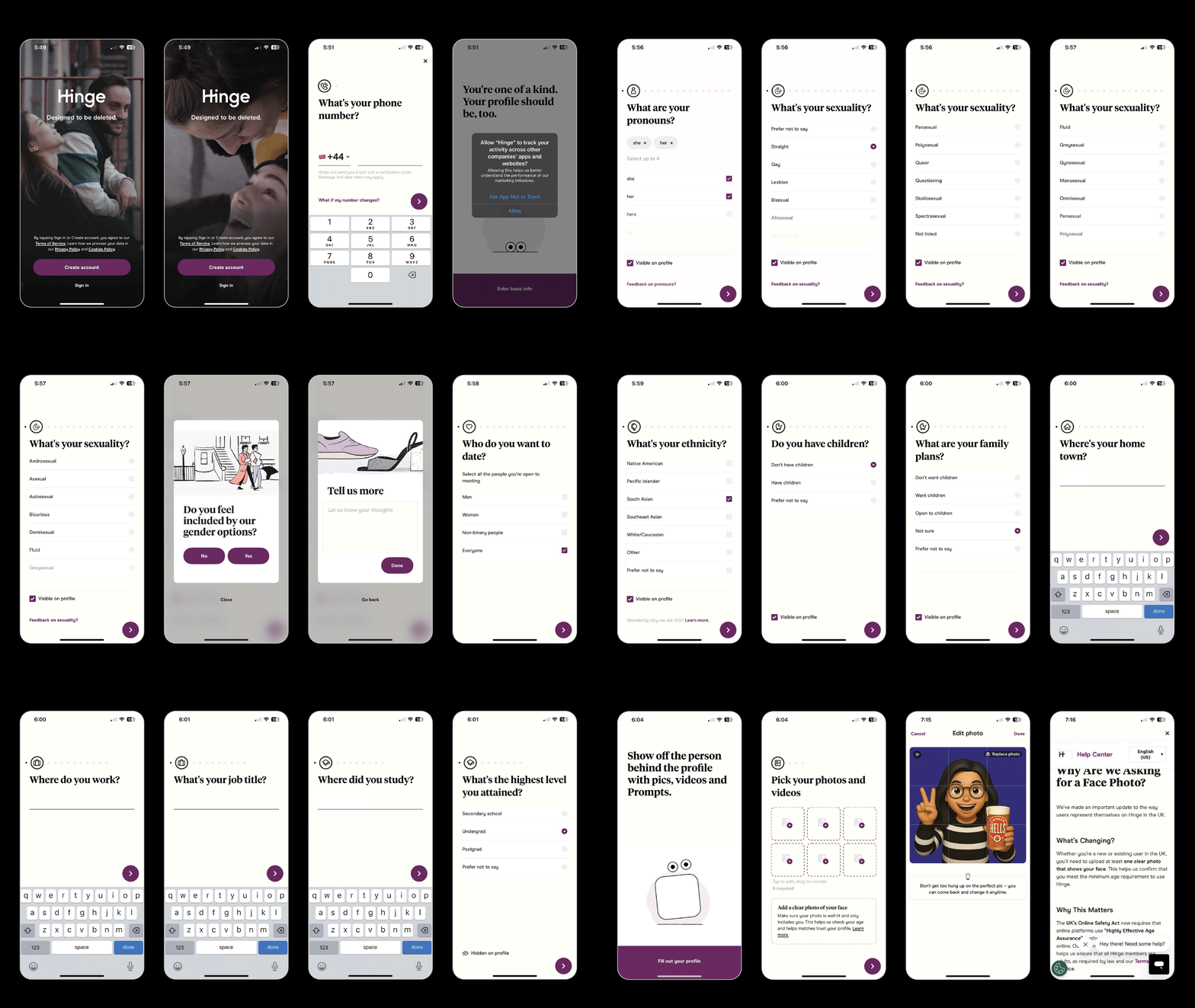
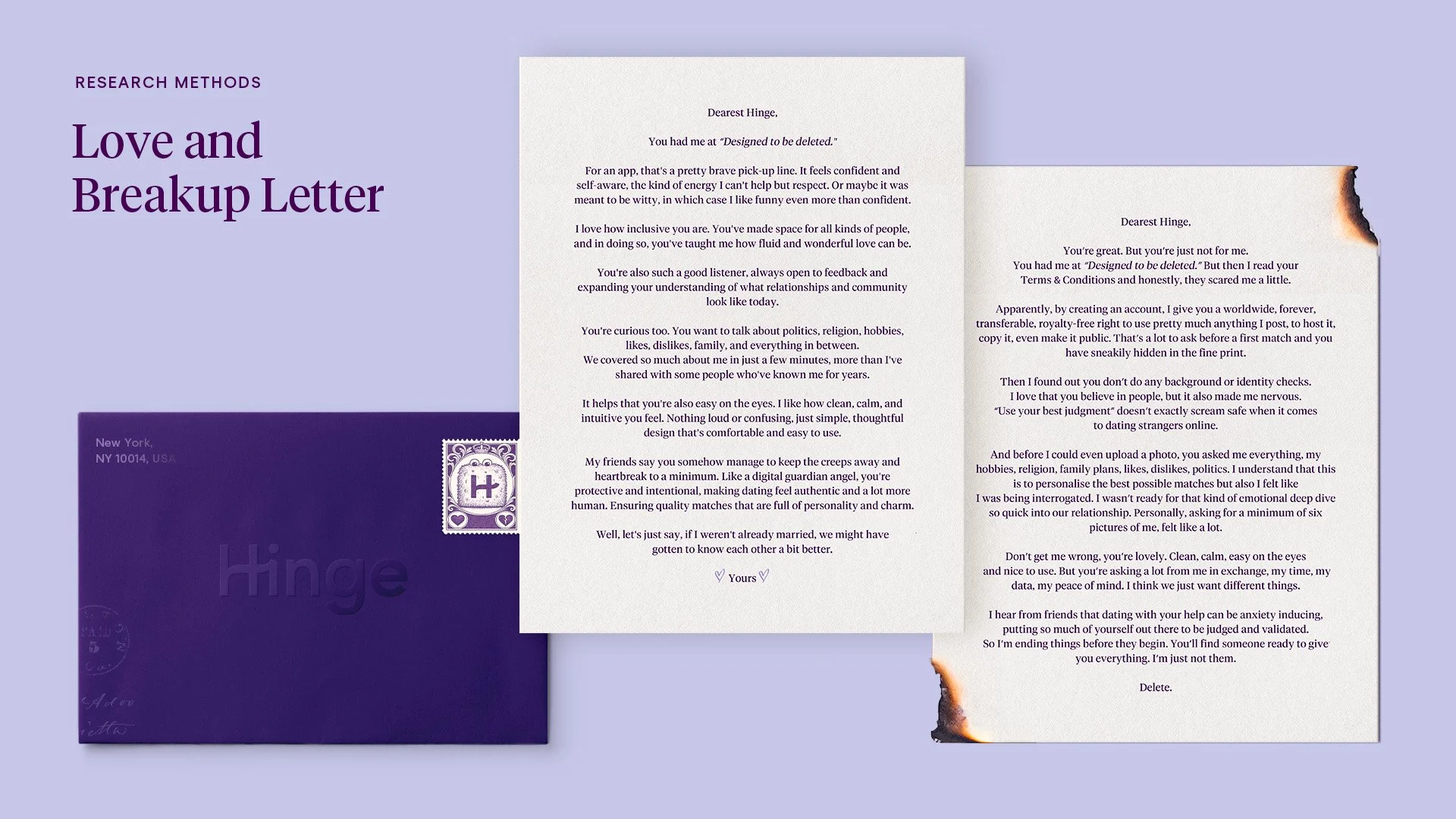
Fig. 4. Love Letter and Breakup Letter addressed to Hinge, used as a research method to unpack the platform’s unique qualities.
Tutorials
Strangers on Hinge often know more about us than the people we meet in real life. We are still getting to know our classmates, yet a stranger on Hinge could already know our age, job, education, hobbies and even our idea of a “typical Sunday.” To explore this, we proposed creating physical “Hinge folders” containing photos and personal details like we would share on Hinge. These folders would be exchanged with our cohort. This activity hopes to showcase how revealing ourselves online often feels easier than in person, while real-life connection takes time.
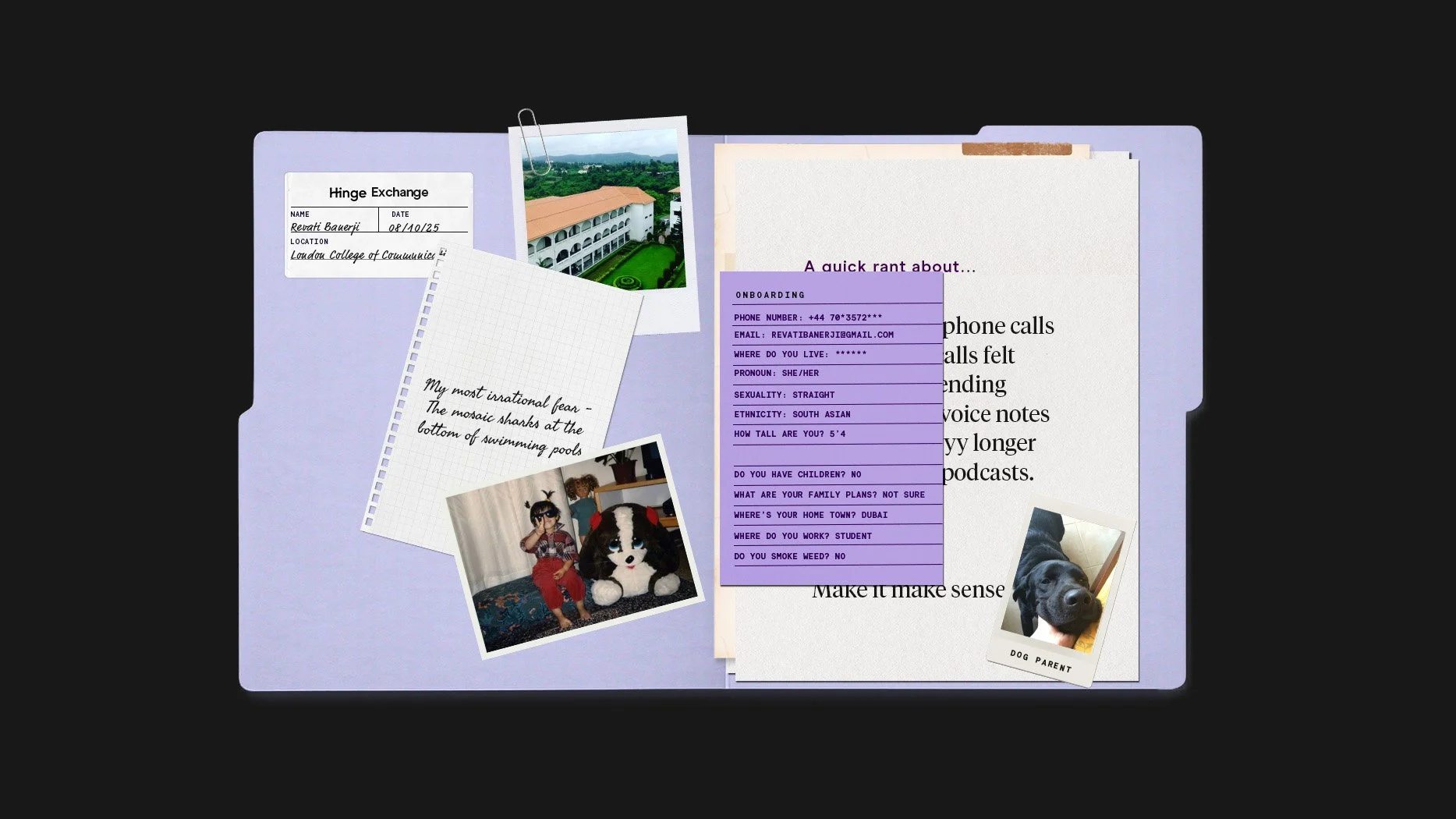
Fig. 5. Mock-up to help visualise the idea of physicalising our Hinge profile.
Our second idea explored gamifying the paradox of choice, where an excess of options can make choosing feel harder rather than easier. Participants could “fish” for Hinge matches from a pool filled with paper fish, each printed with a dating profile. Colour-coded by desirability, participants would decide whether to keep or throw the fish back in the pool, offering a reflection of swipe culture.
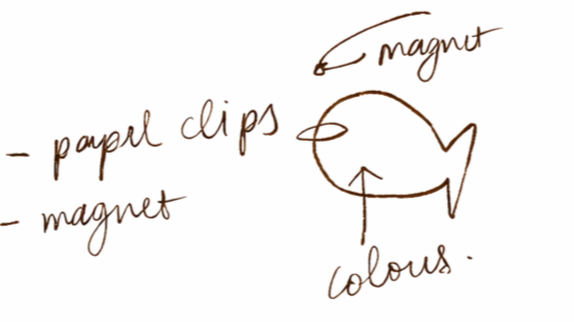
Fig. 6. Illustration by Shivangee Mishra
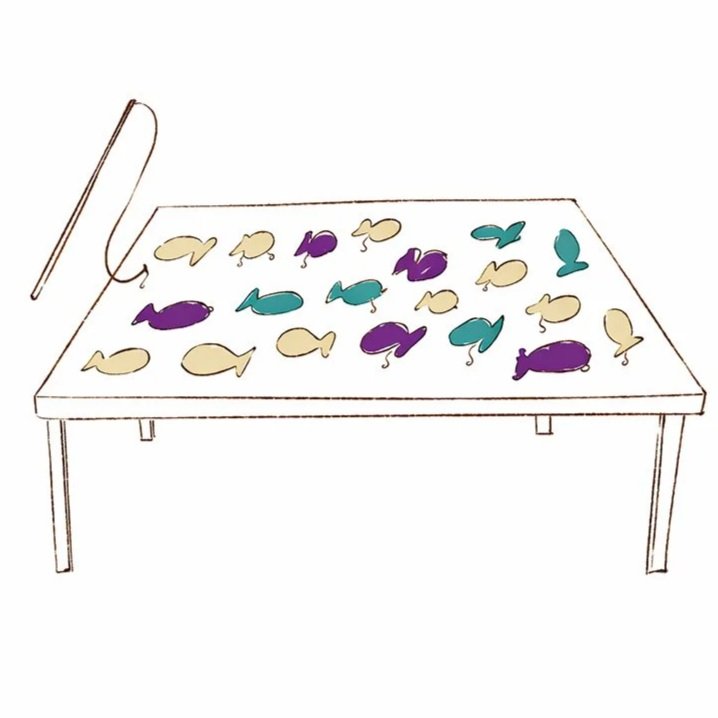
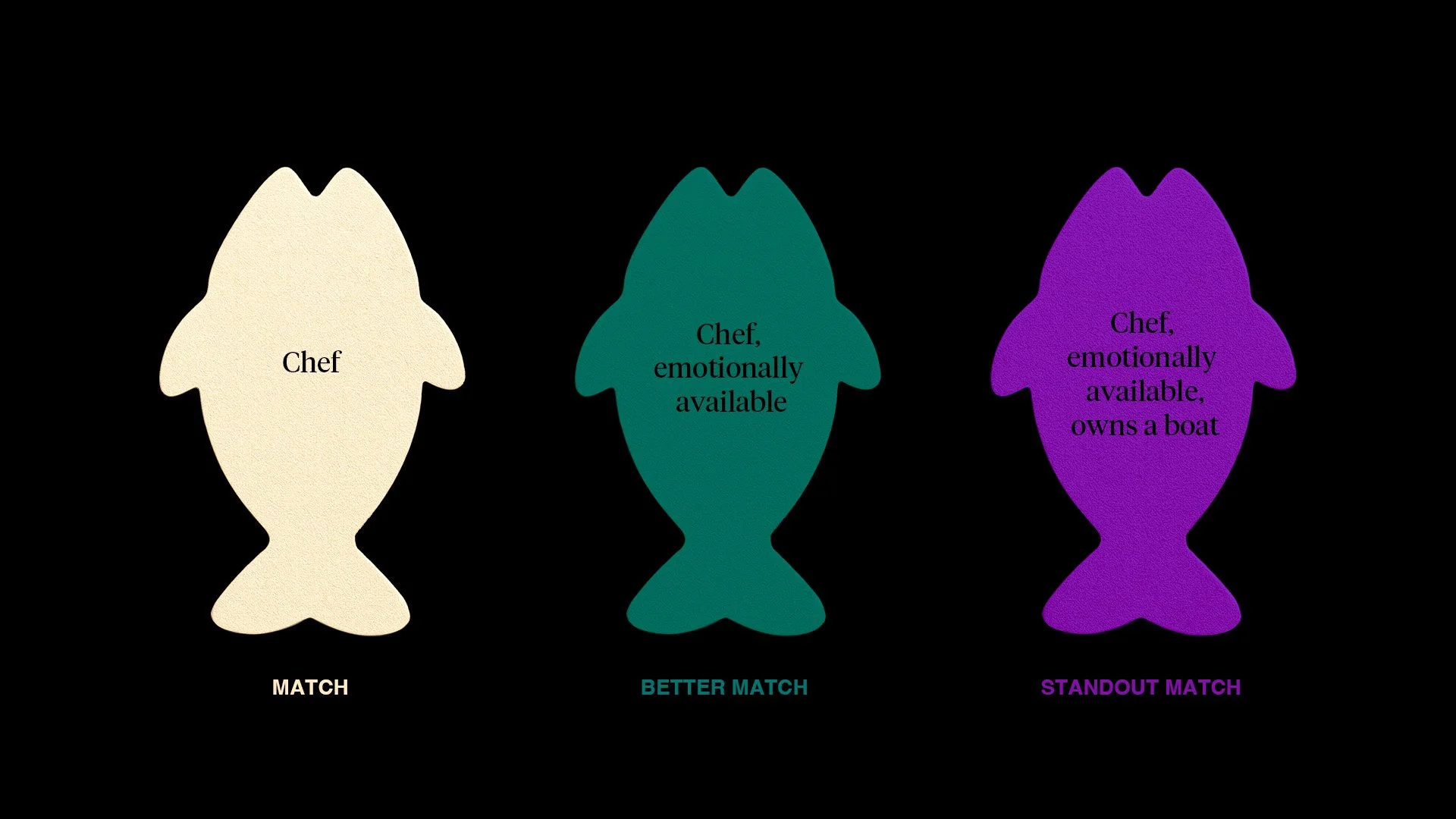
Fig. 7. Mock-up to help visualise the idea of fishing for better matches.
Our feedback was that simply gamifying the paradox of choice was not enough, as the concept already exists.
The question became: so what? What was our unique perspective on Hinge dating culture? This was challenge for the following week.
References:
Match Group, Inc. (2025) Revenue. [online] Companies Market Cap.
Available at: https://companiesmarketcap.com/match-group/revenue/
(Accessed: 15 January 2026).
Red Antler (n.d.) Hinge. [Online] Red Antler. Available at: https://www.redantler.com/work/hinge
(Accessed: 15 January 2026).