Feb 05 - Mar 12 · Week Three · Macro Unit
Macro UX: Eat the Rich
Revati Banerji I MA UX Design I London College of Communication
Brief: Design a currency based on food
Team: Niki Marathia · Keya Bangera · Mary Mehtarizadeh · Ayesha Saleem · Eniola Aminu · Oindrilla Sinha · Mathew Yue · Jaime Santos Guerrero
This week, we returned to the brief Eat the Rich by grounding it in its meaning. Metaphors shape how we understand systems (Lakoff and Johnson, 1980). In this case, Eat the Rich becomes a critique of inequality and a call for the redistribution of wealth. This led us to ask: where does “the rich” exist within food systems?
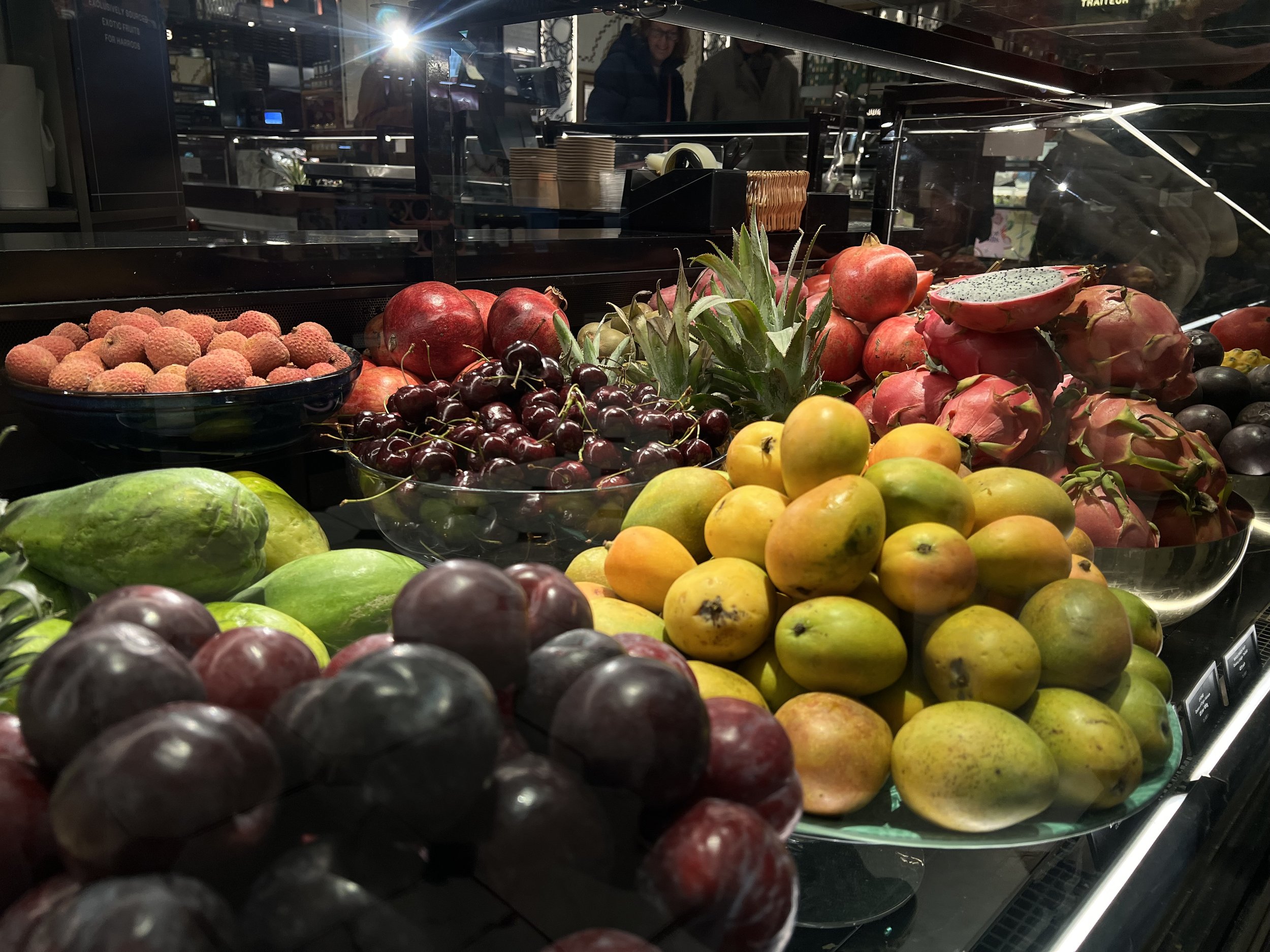
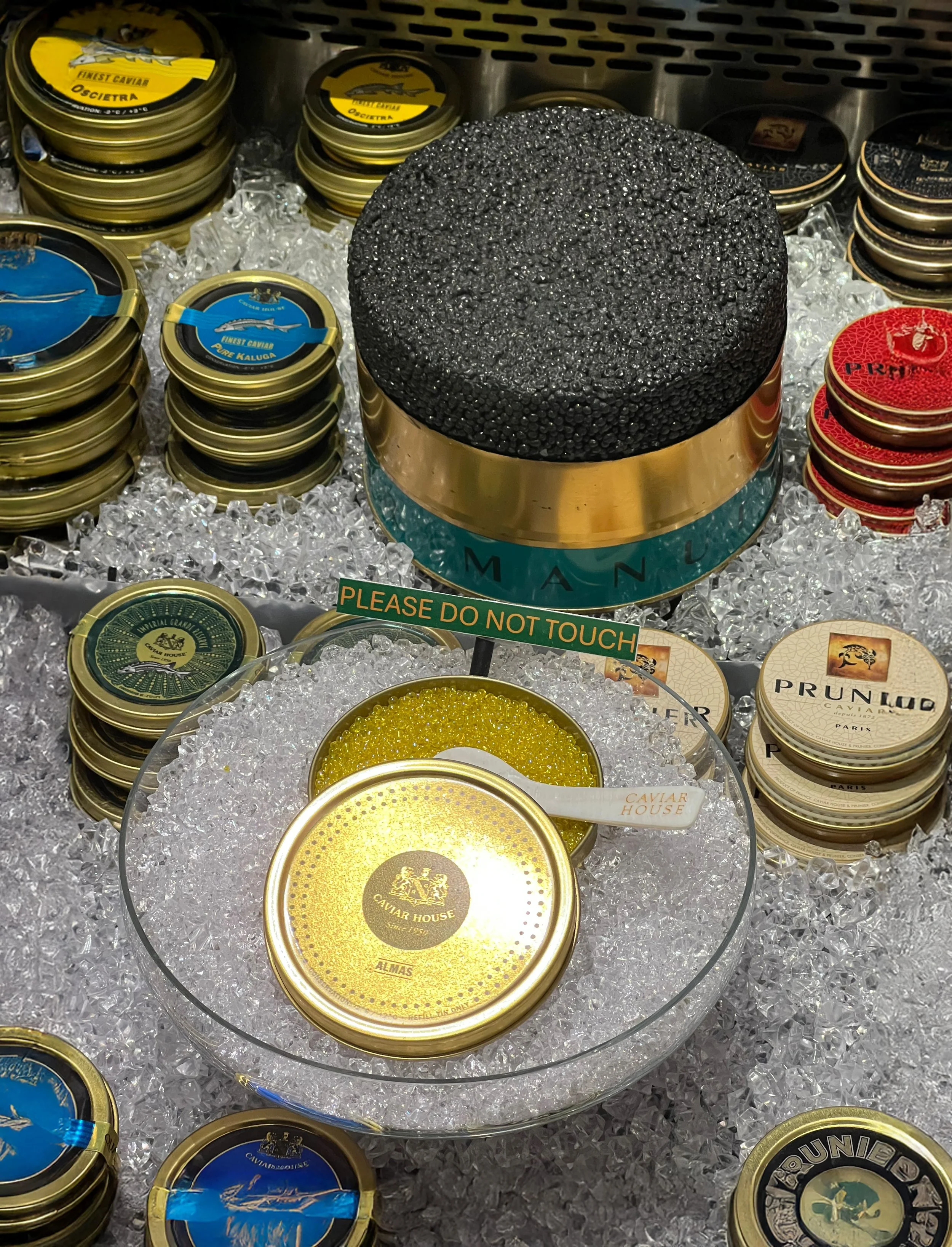
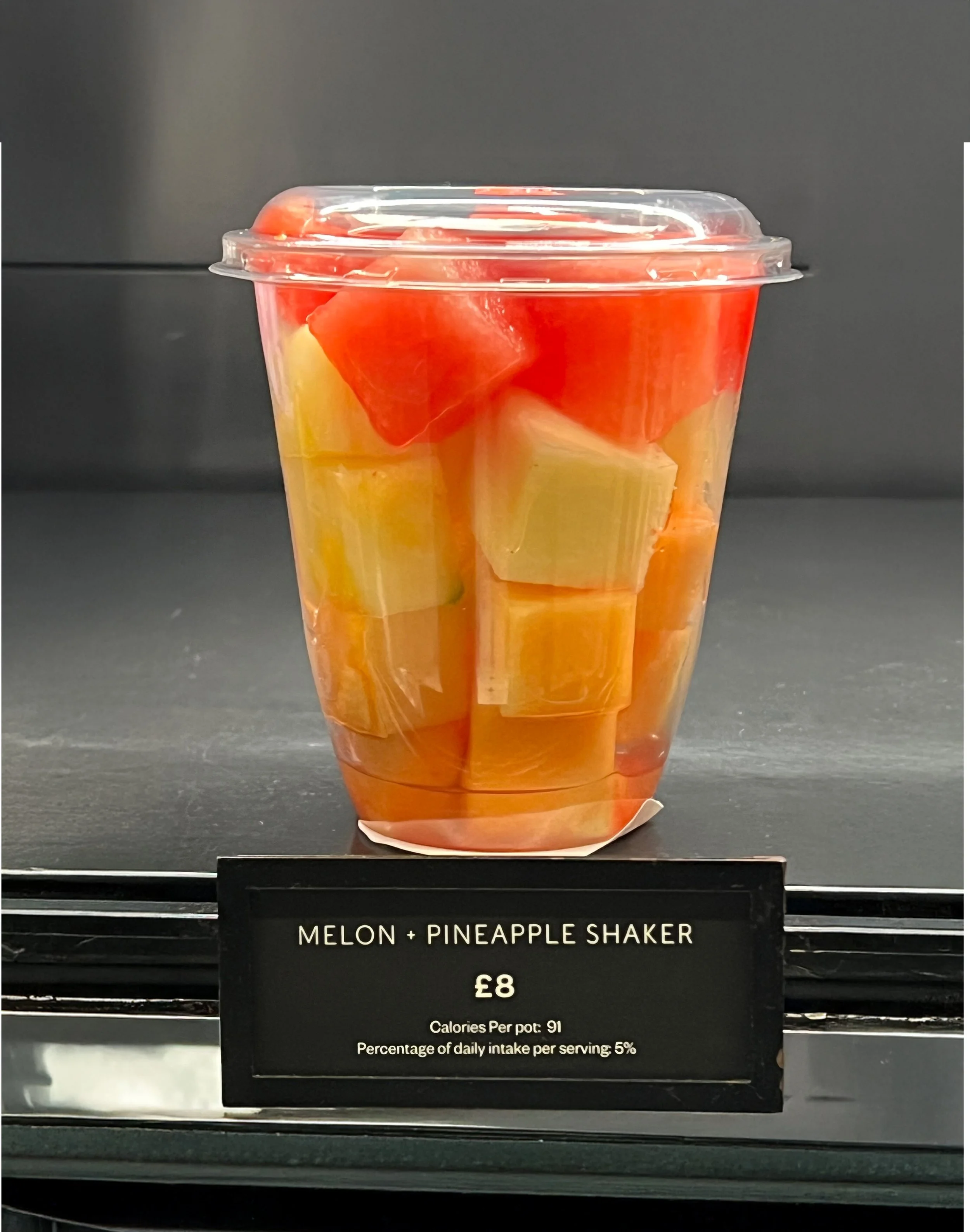
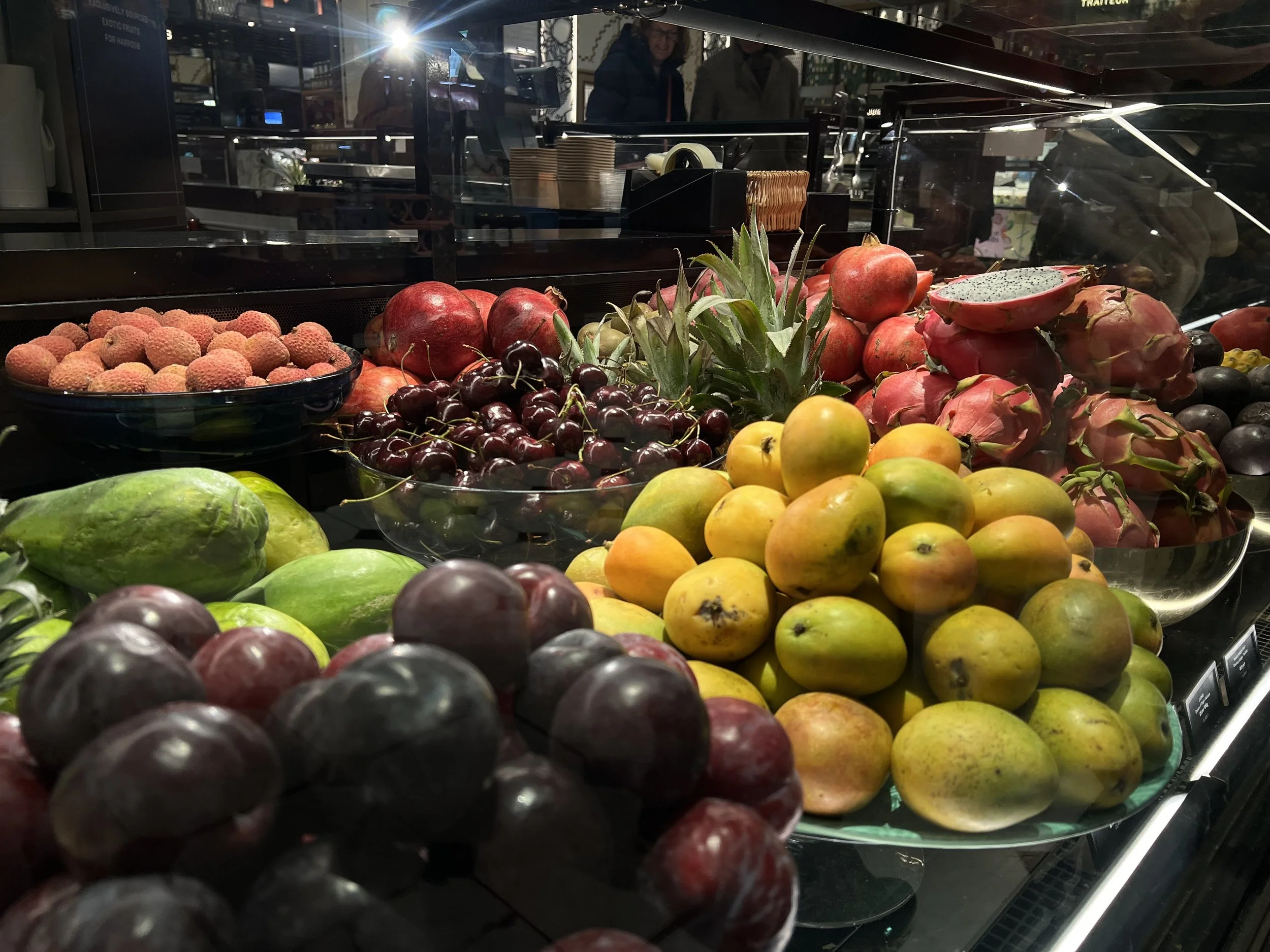
Our field research began at Harrods, known for luxury and exclusivity. Pricing, presentation, and environment all contributed to how food was perceived. Heating food came at an additional cost, and dining required paying for seating despite already purchasing food. These layers showcased how value is created through access and environment rather than the product itself. However, Harrods was crowded, making it difficult to conduct interviews.
Interviews
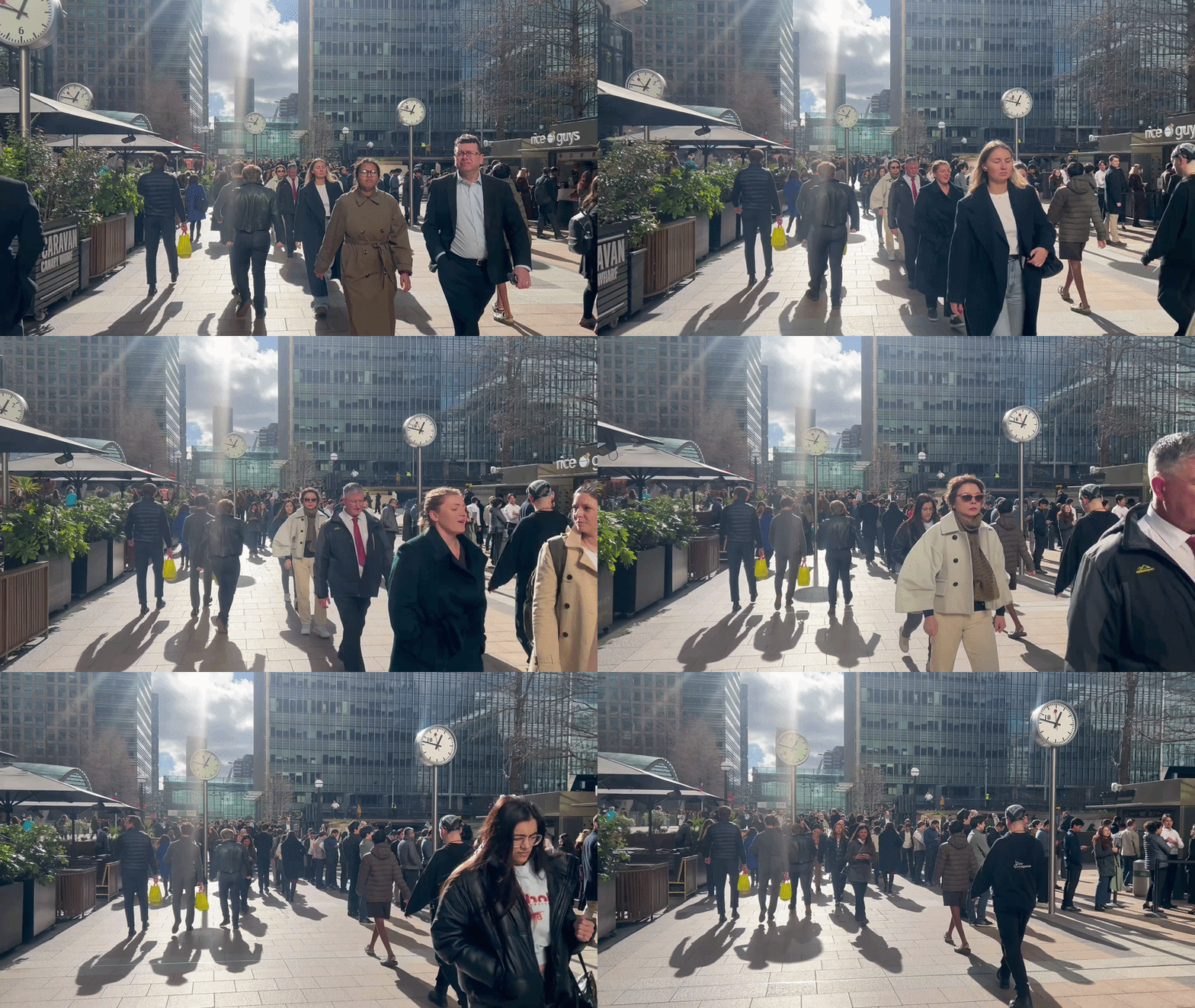
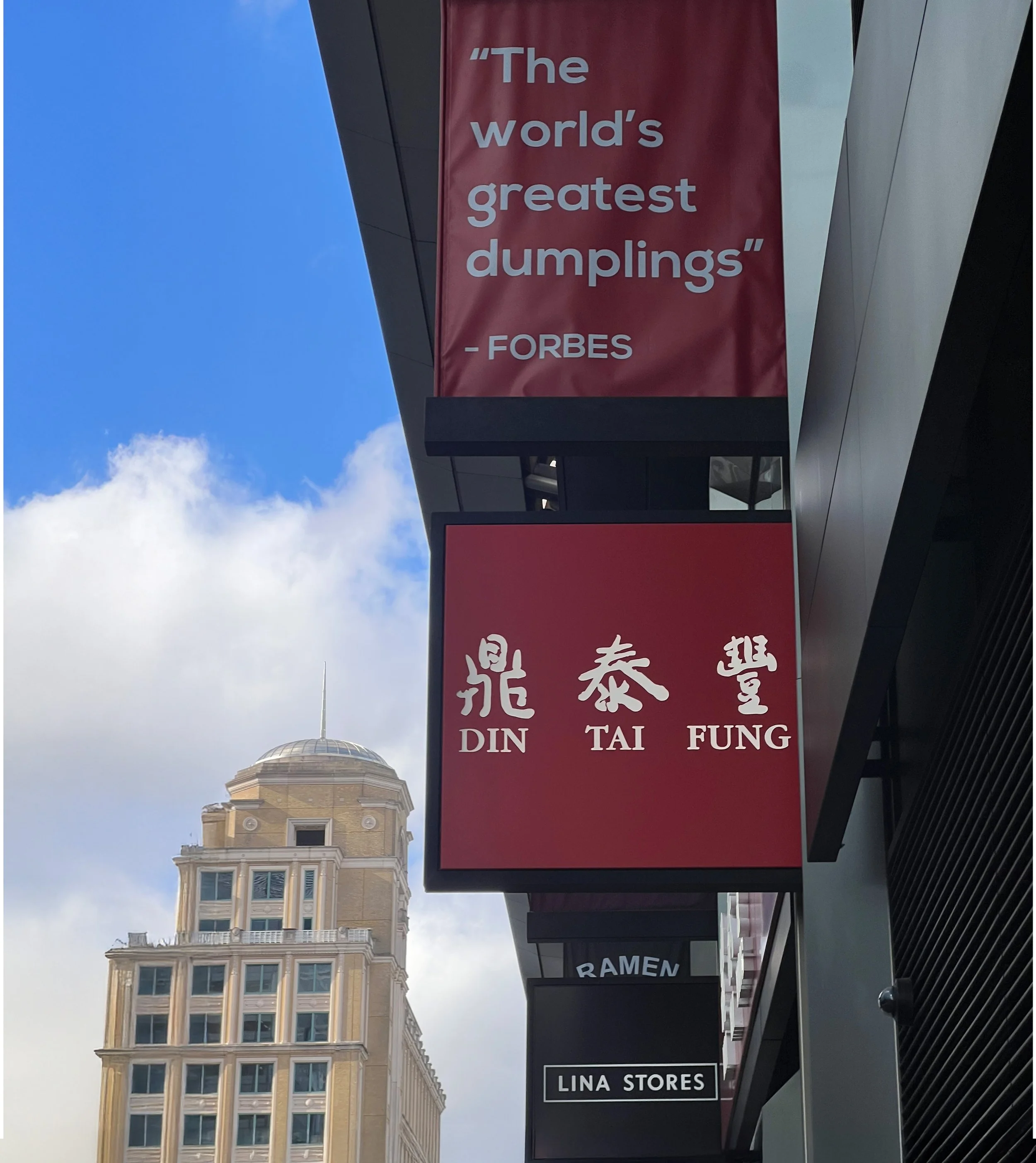
We then split into groups to research across different contexts. A few of us went to Canary Wharf, a privately owned financial district, to continue our research. Here, we interviewed office workers, service staff, and labour workers. One interviewee, a bricklayer, described the area as “money-hungry” and packed his own lunch or chose affordable options like Greggs. An office worker described the area as convenient and full of choice, often eating out despite having access to food at the office. For some, food is a break from work. For others, it is sustenance. There was visible inequality in both spending power and nutritional access.
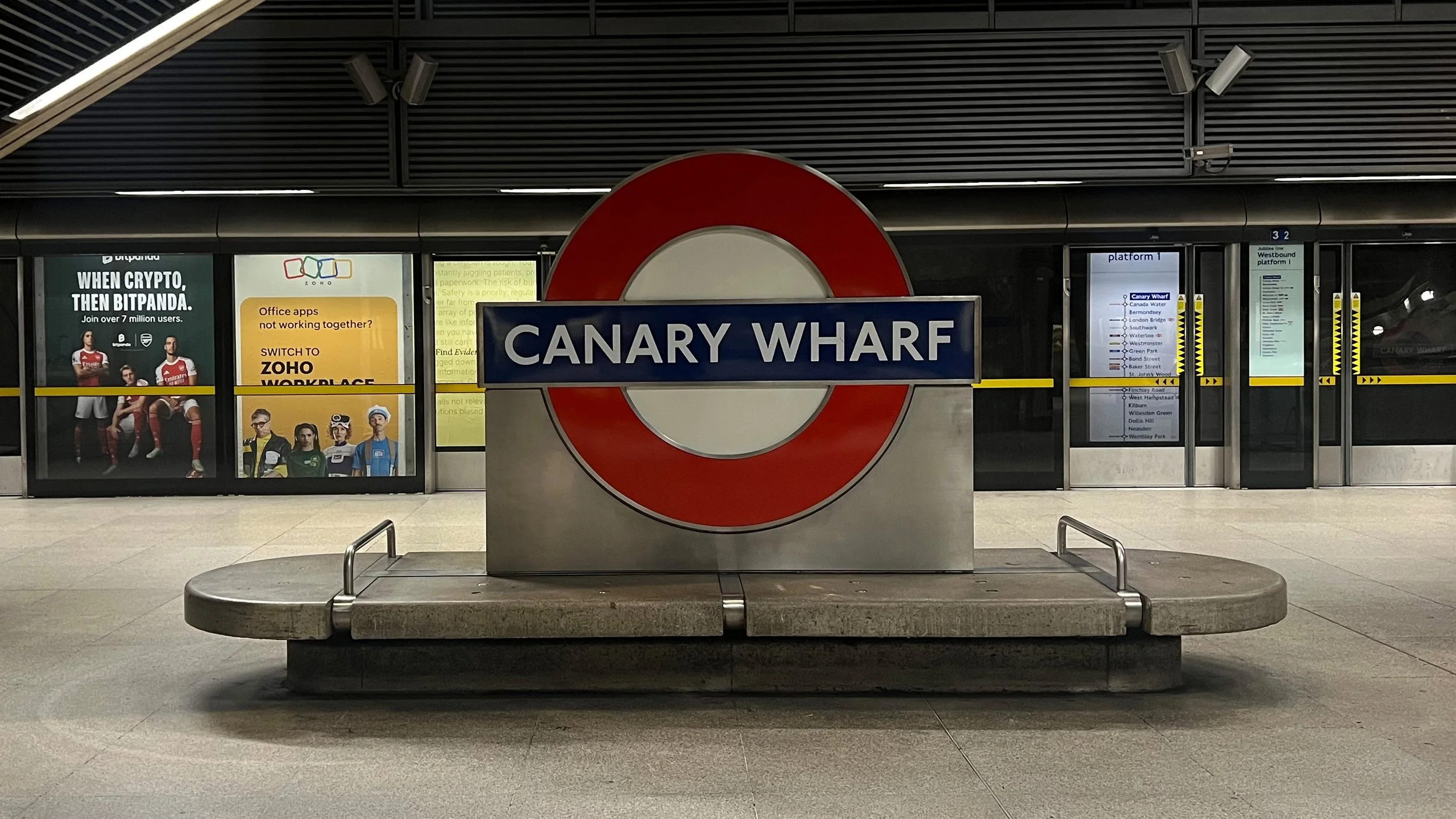
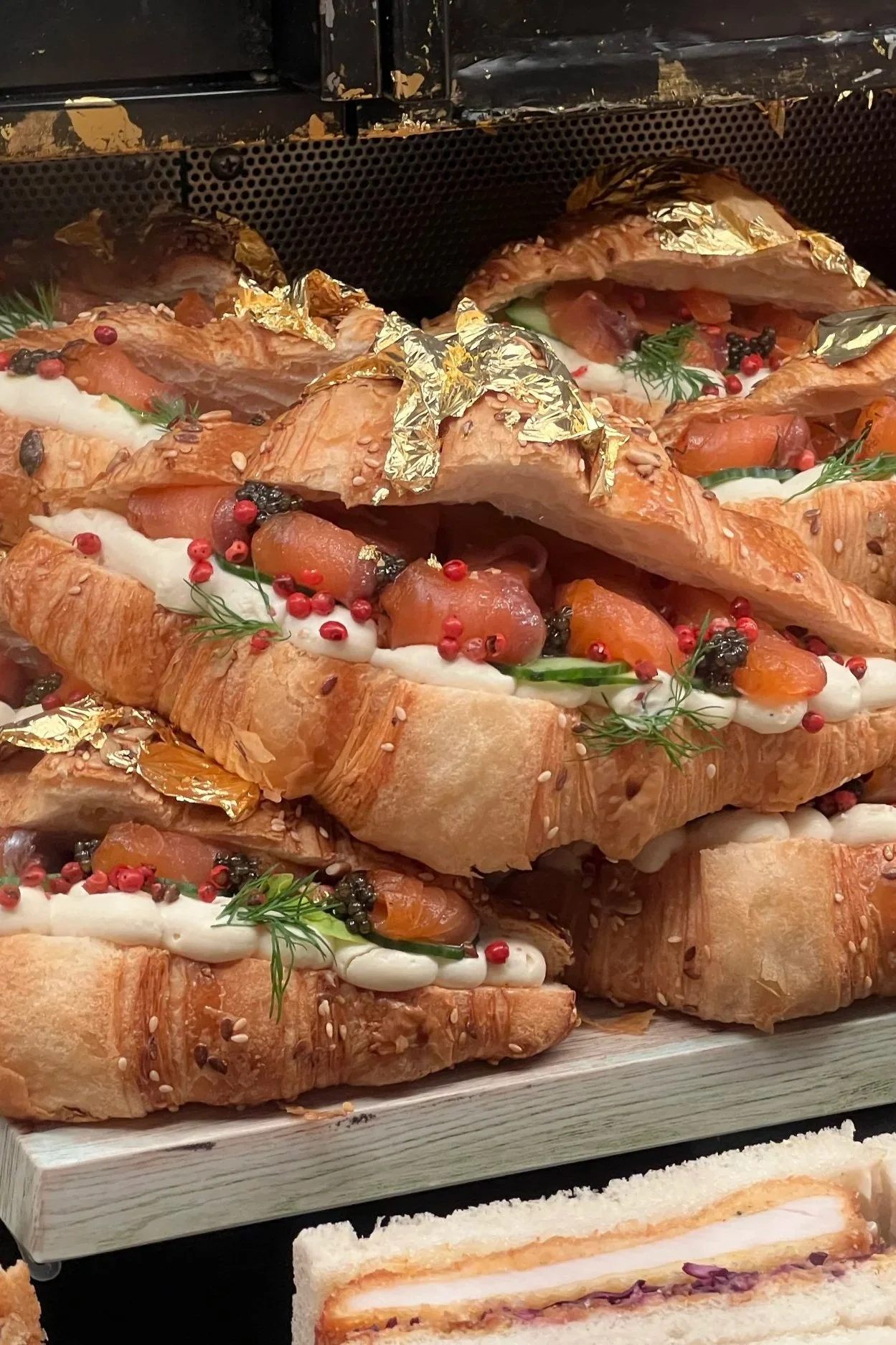
Fig. 1. Food on display at Harrods, from caviar and gold-topped croissants to an £8 fruit cup. Photographed by the author.
Fig. 2. We observed a large crowd at lunchtime at Canary Wharf, with a range of existing and upcoming restaurants. Captured by the author.
Fig. 3. Synthesis of research insights, outlining how our exploration narrowed towards a proposed direction for a food-based currency. Consolidated by Niki Marathia.
Separately, Jaime interviewed the director of a food bank in Bogotá, where a key insight was moving away from donation dependency towards self-sustaining community models. Meanwhile, Niki and Oindrilla volunteered at FoodCycle, where meals were prepared using a “work with what you have” approach, relying on volunteers and supporters. These kitchens showed how systems are built around supporting communities, but also raised questions around food sovereignty and reliance.
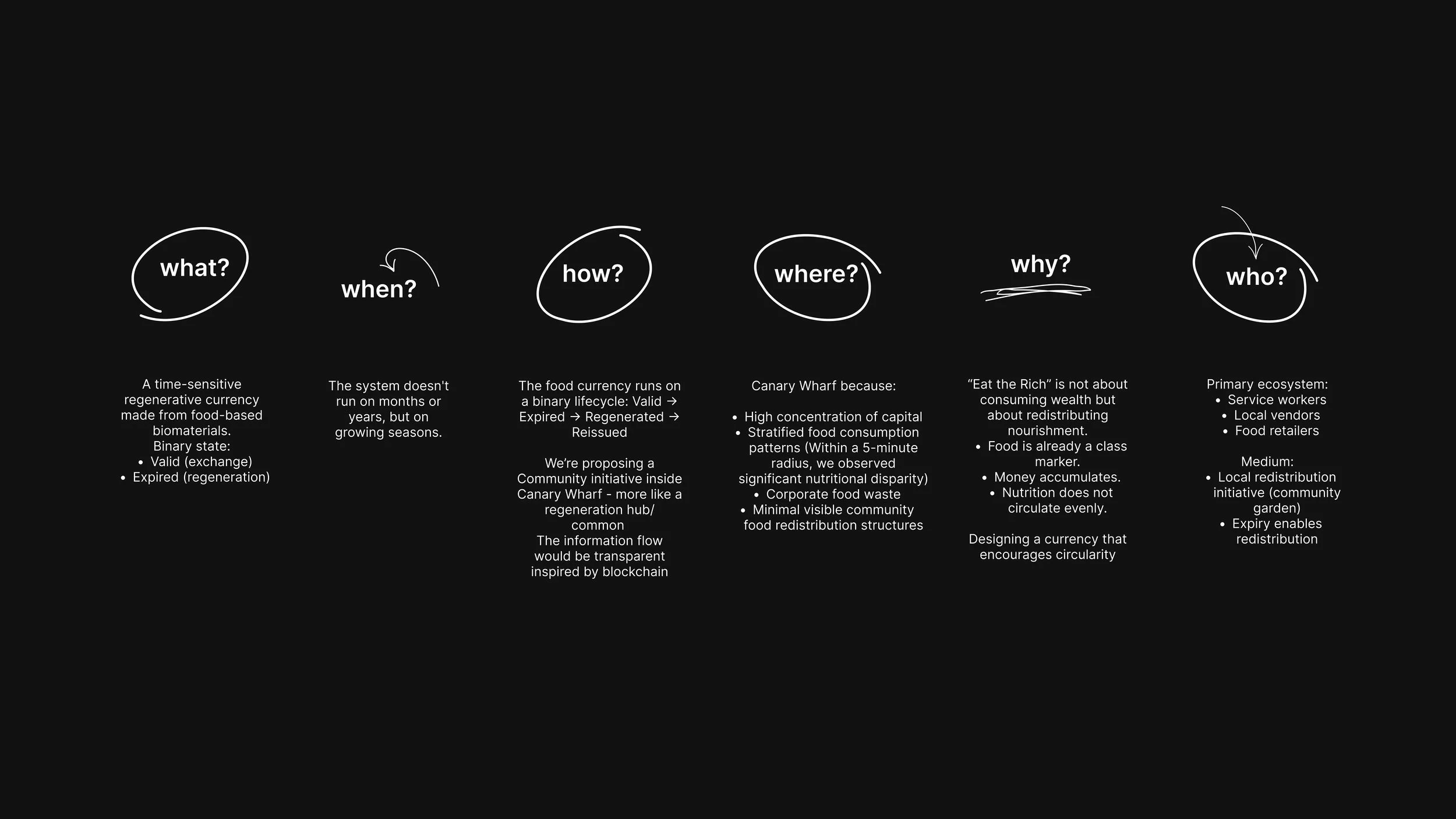
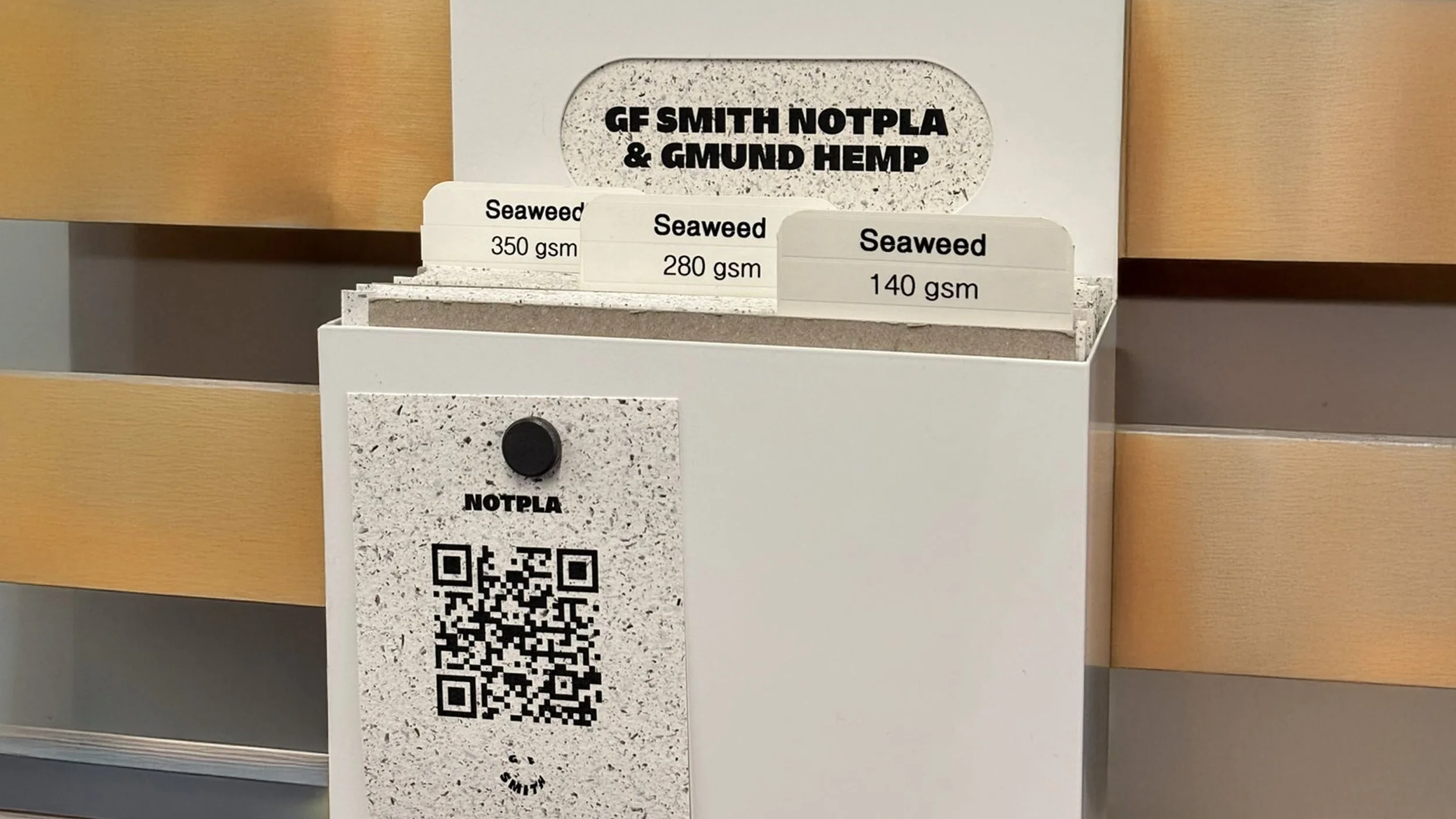
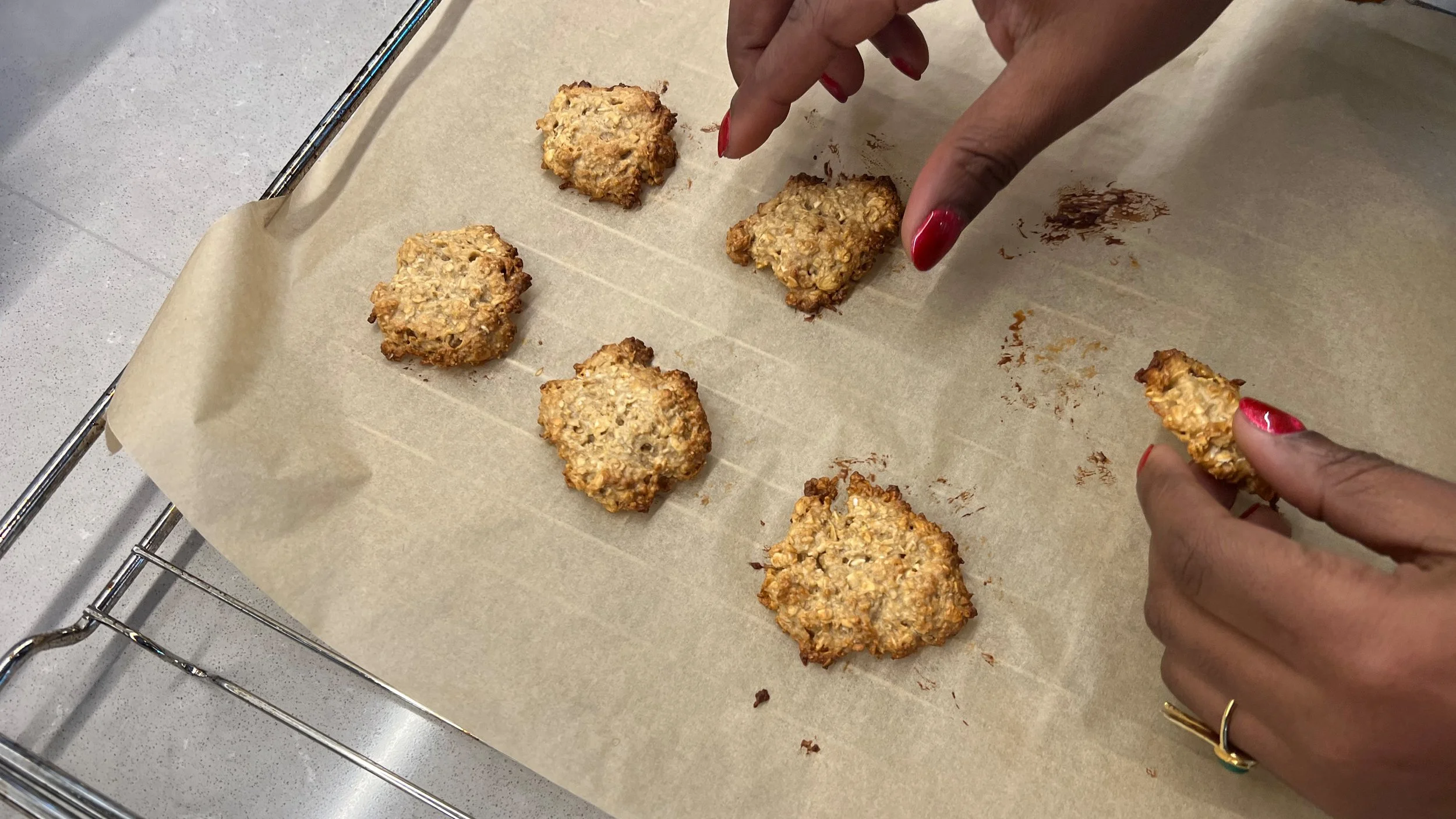
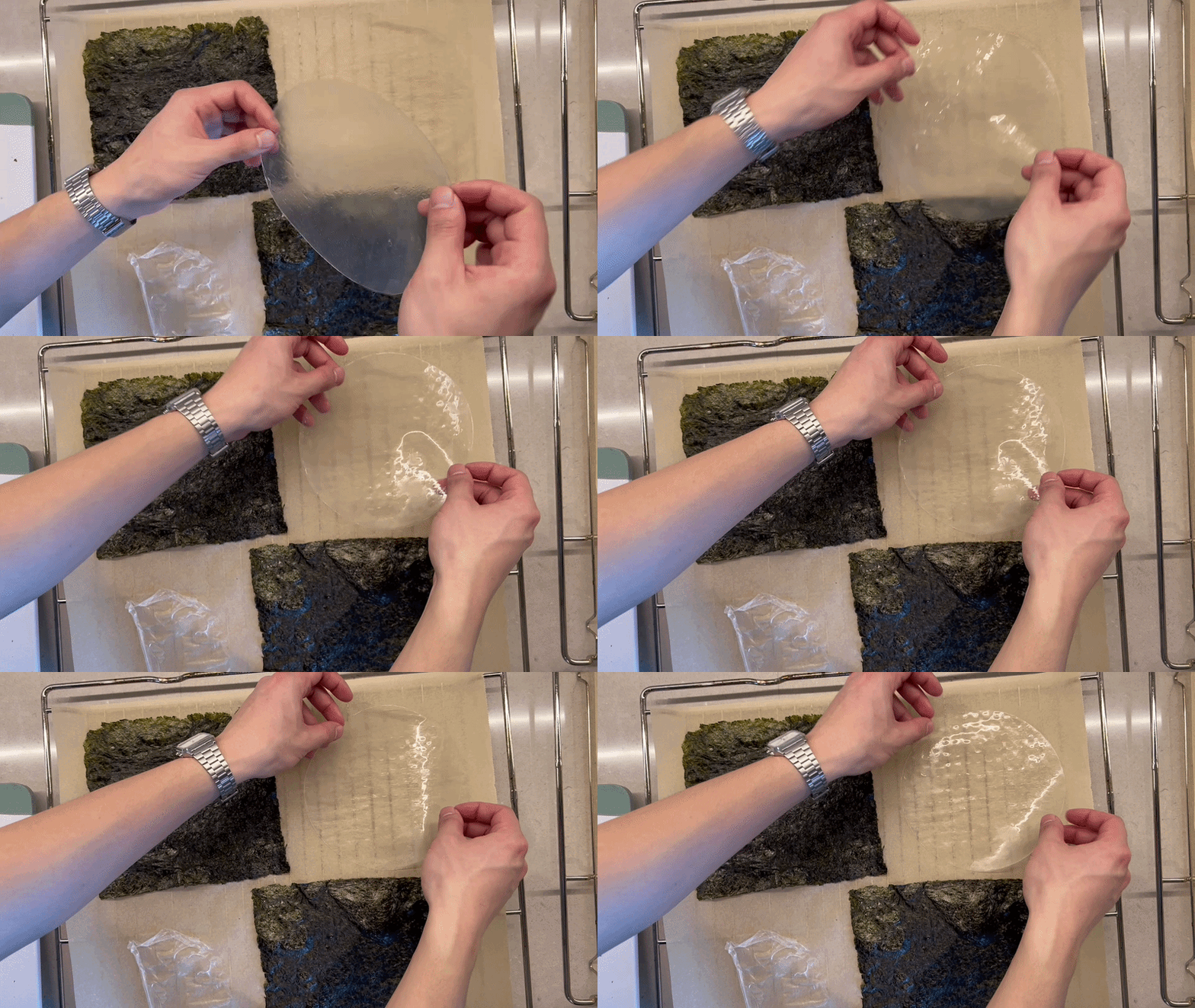
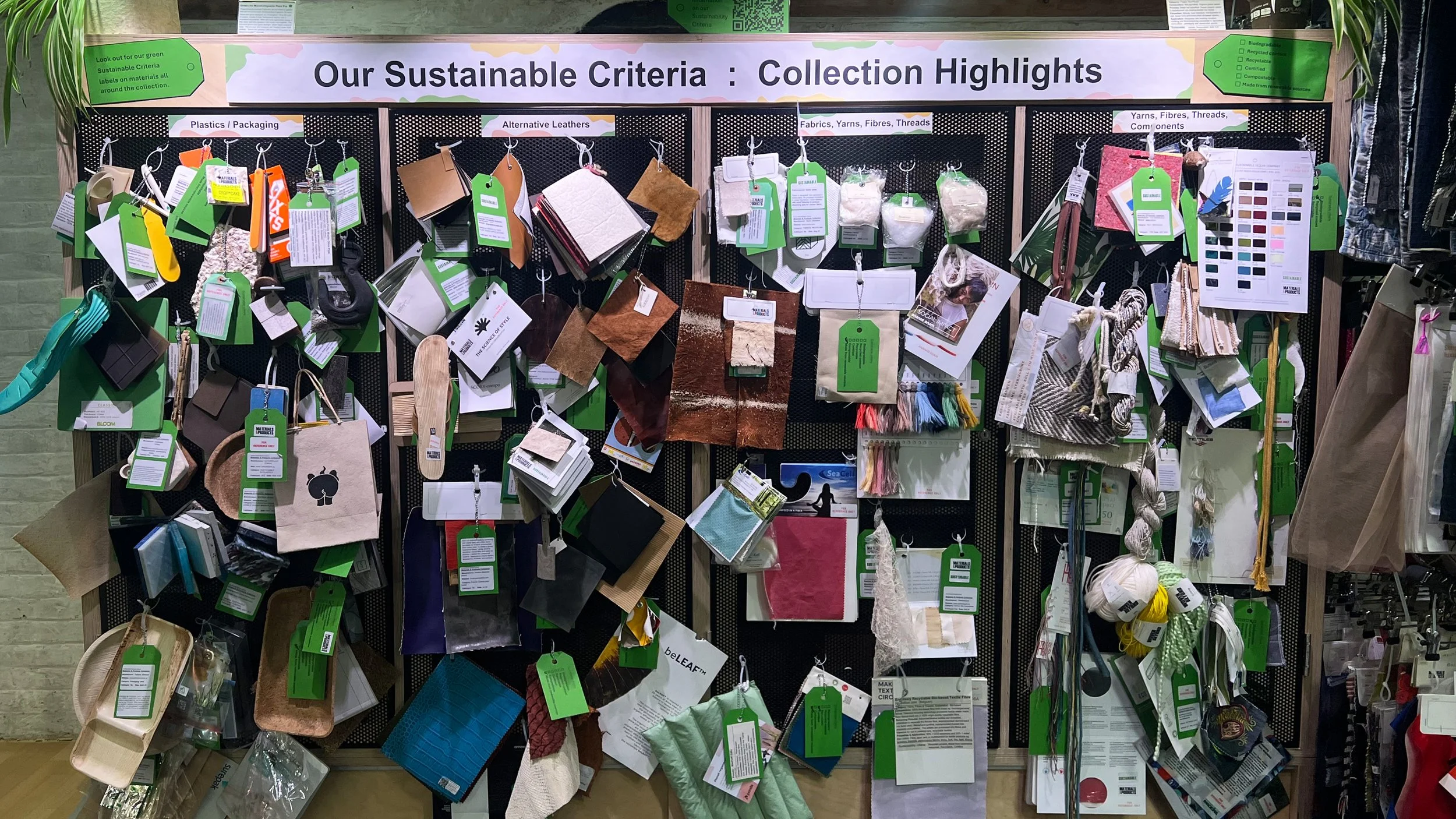
Fig. 4. Biomaterial samples at Central Saint Martins, including food-waste-derived materials (Jing Chen, MA Biodesign) and GF Smith seaweed-based papers.
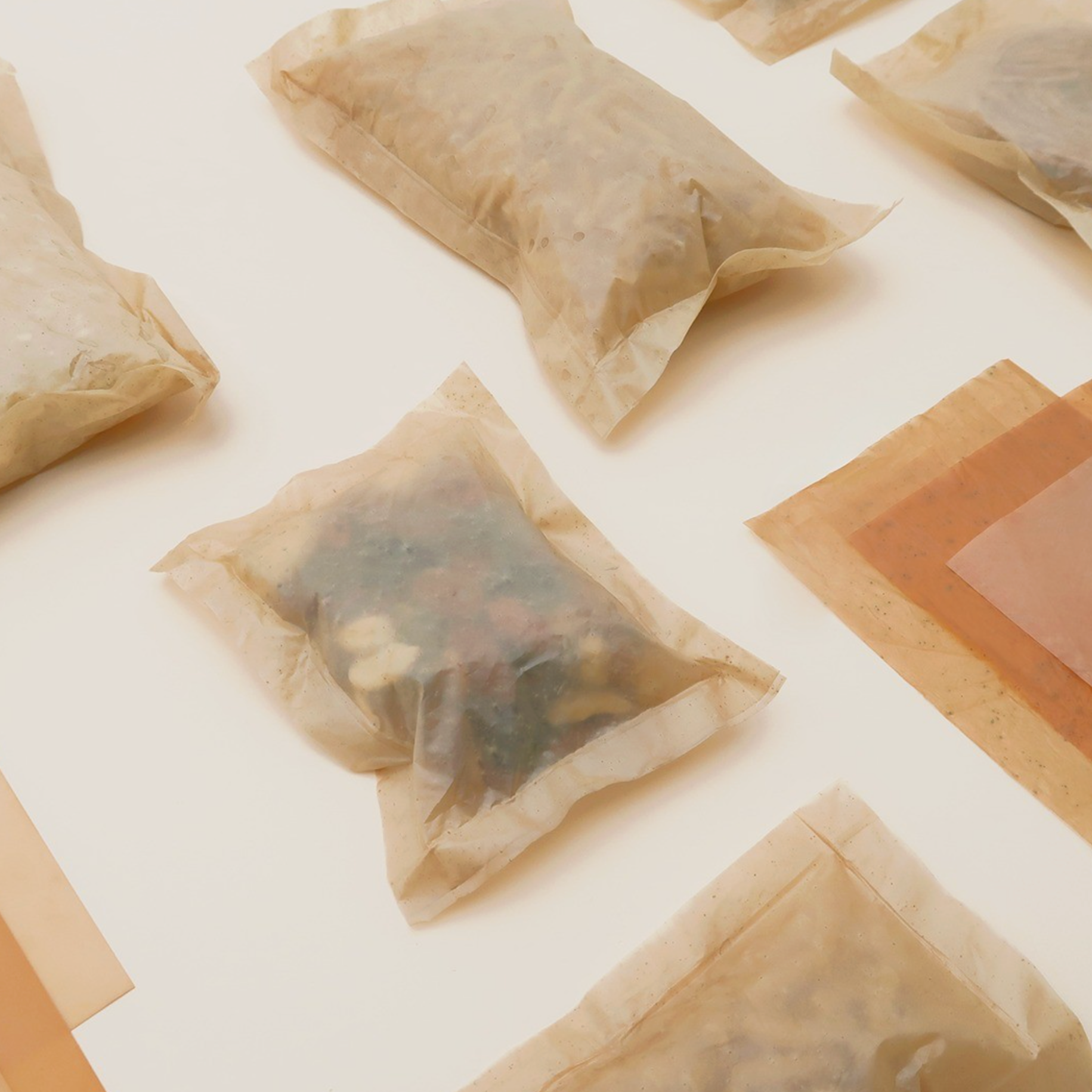
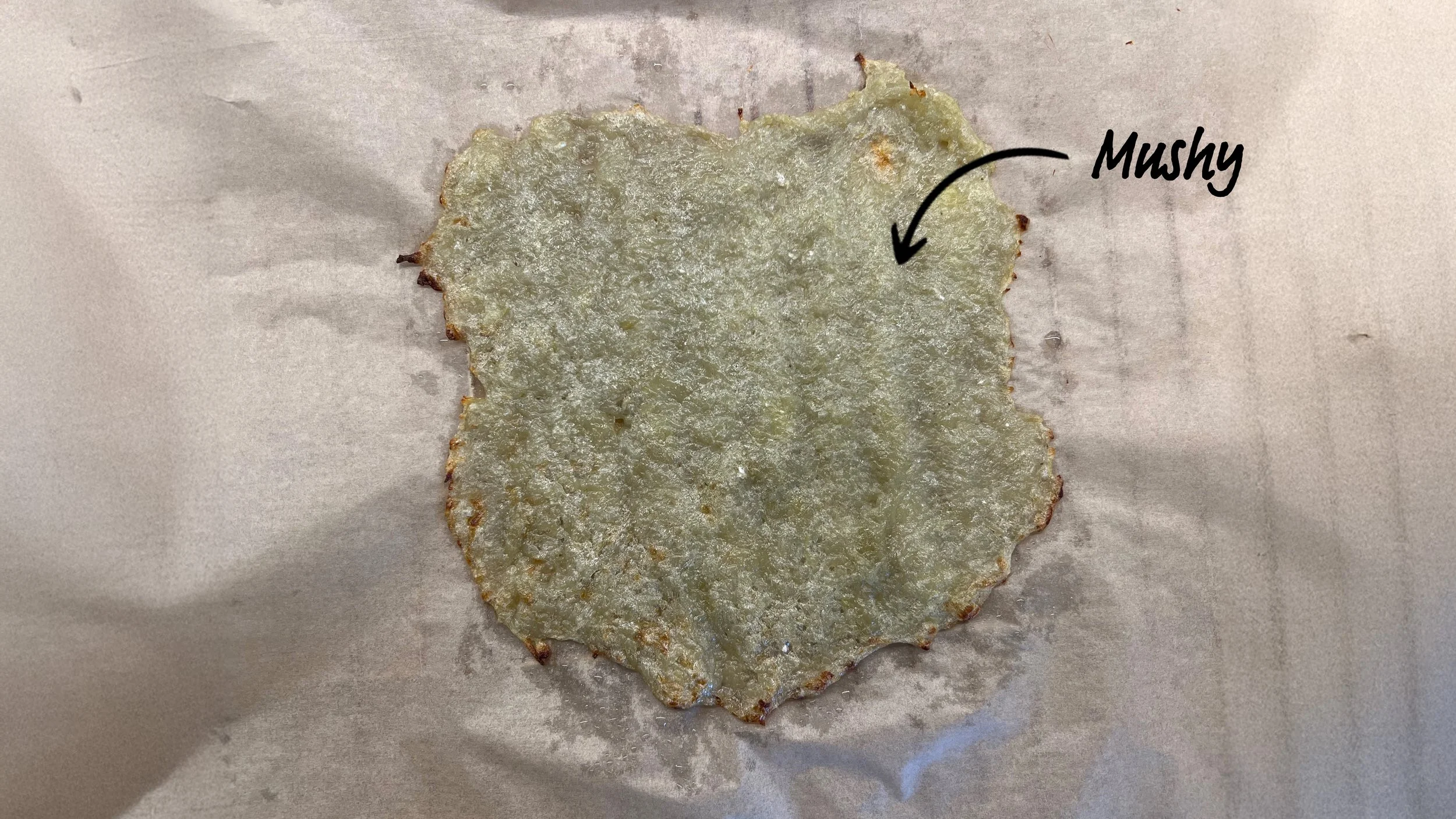
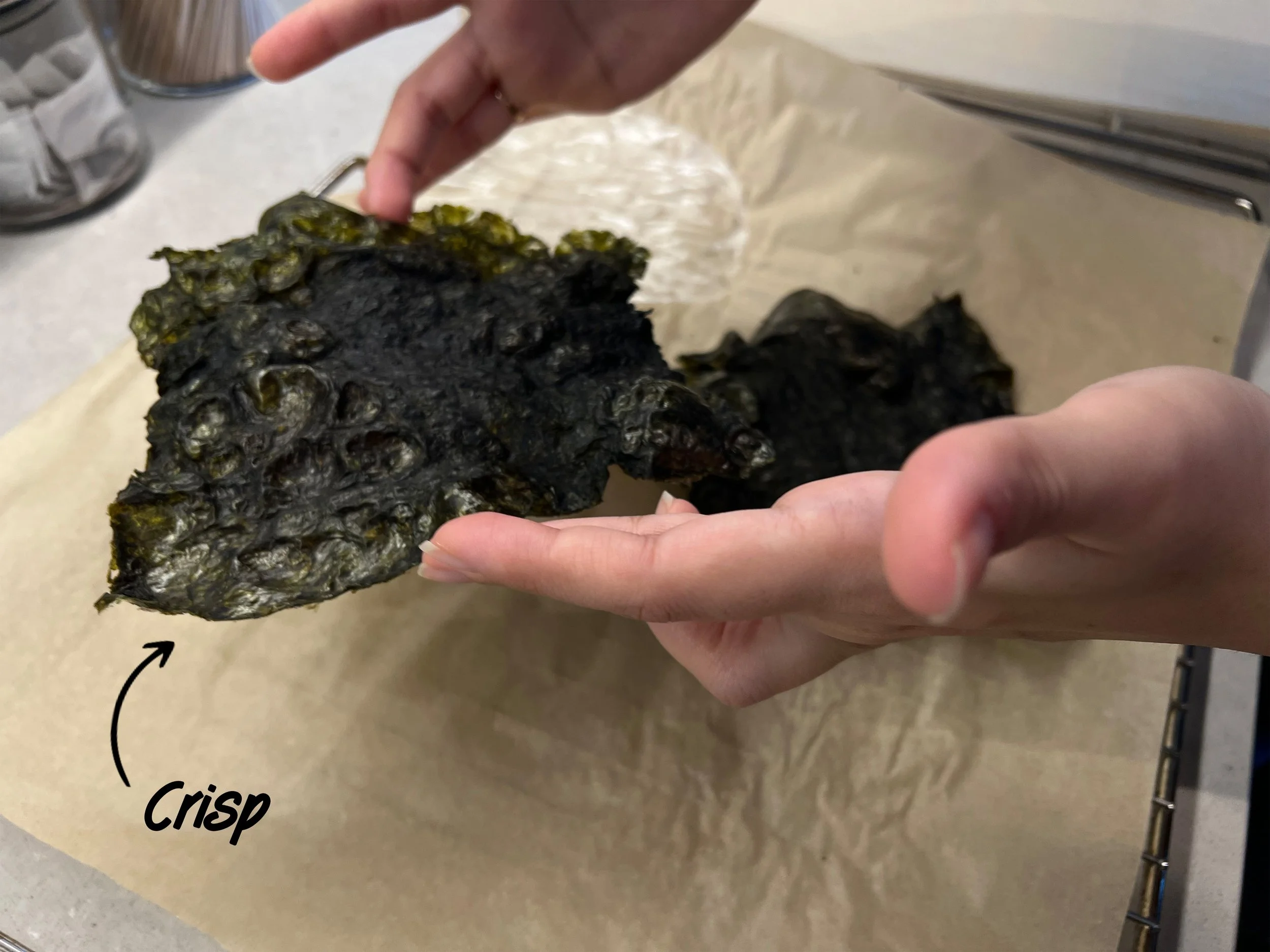
Fig. 5. Food-based material prototyping using oat mixtures, potato, rice paper and nori seaweed. Photographed by the author.
Prototyping
Material Research
Inspired by biomaterials, we experimented with ingredients. As these dried, some became firm and durable, while others turned brittle or mushy. Sturdier textures were perceived as having higher value, while fragile materials felt perishable and therefore less valuable, suggesting that value can be sensed through materiality. This reminded me of how Chase Sapphire increased the weight of its credit cards to add ‘heft’ and create a more premium feel for the user.
To explore the materiality of a food-based currency, we visited the Central Saint Martins material library to explore alternative materials.
Reflection
This was a successful week of research on inequality in how food is accessed and experienced, as well as how the materiality of our currency can be perceived. However, as a group of ten, it became challenging to align on next steps. So we decided to split the team to work more efficiently, using ChatGPT to help create new groups and reduce our own bias in how we organised the team.
References:
EnyoungBio. (n.d.) Instagram. [online]
Available at: https://www.instagram.com/enyoungbio/
[Accessed 15 April 2026].
GF Smith. (n.d.) Notpla. [online]
Available at: https://shop.gfsmith.com/notpla
[Accessed 15 April 2026].
Lakoff, G. and Johnson, M. (1980) Metaphors We Live By. Chicago: University of Chicago Press.
Payments Dive. (2026) Heavy Metals in Payment Cards. [online]
Available at: https://www.paymentsdive.com/news/heavy-metals-hot-in-payment-cards/809291/
[Accessed 15 April 2026].