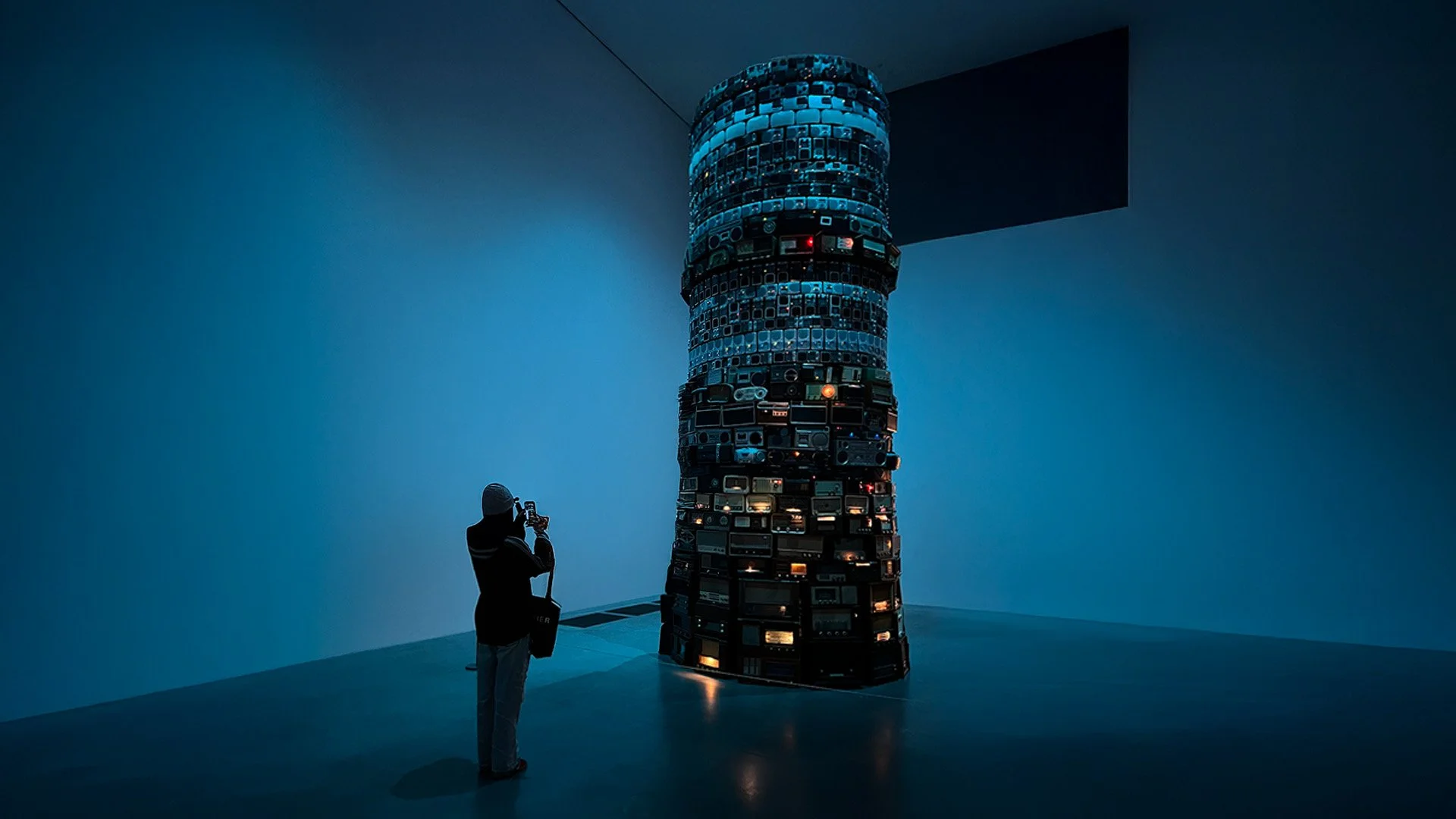
Oct 30 - Nov 13 · Week Eight · Studio Practices
The UX of Radio Waves
Revati Banerji I MA UX Design I London College of Communication
Brief: Design an embodied experience of radio waves
Team: Oindrilla Sinha · Sakshi Pansares · Aishwarya Saji · Evander Wang · Vibhooti Sharma · Lynn Zhong
Now we focused on creating an embodied experience, something that allowed people to feel the presence and impact of invisible radio waves, rather than simply translate them conceptually.
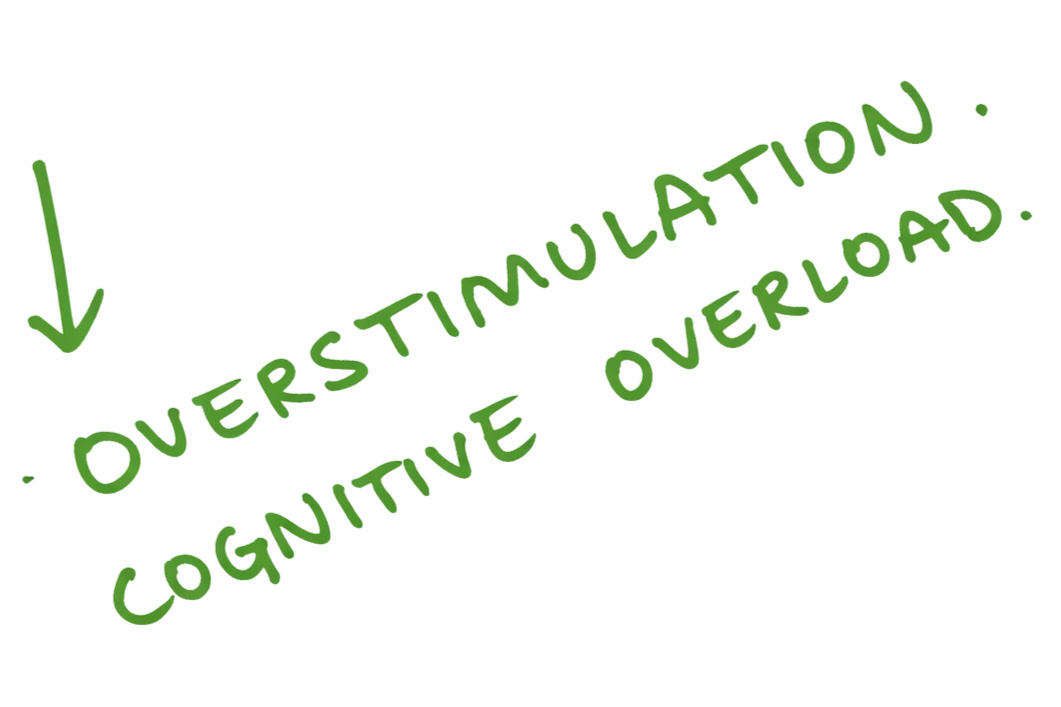
In Radical Technologies, Adam Greenfield describes how everyday systems have shifted from physical objects to “an invisible modulation of radio waves.” This shift does not remove impact, but moves it onto our attention, our minds and our ability to focus.
As a group, we decided to translate this feeling of overload into a physical experience.
Content analysis of the data recorded overwhelm when notifications became excessive. Participants described anxiety, urgency and pressure to respond to or acknowledge notifications, often experiencing them as tasks.
This led us to a simple but unsettling question: what if all the notifications we usually mute, ignore, or glance past arrived at once? If notifications are radio waves sent our way, what would it feel like if they collapsed on you simultaneously?
Rather than approaching radio waves as an abstract whole, we chose to focus on one familiar manifestation: smartphone notifications. Notifications felt like the most immediate and relatable way radio waves interrupt daily life. To explore this, we ran a creative toolkit exercise.
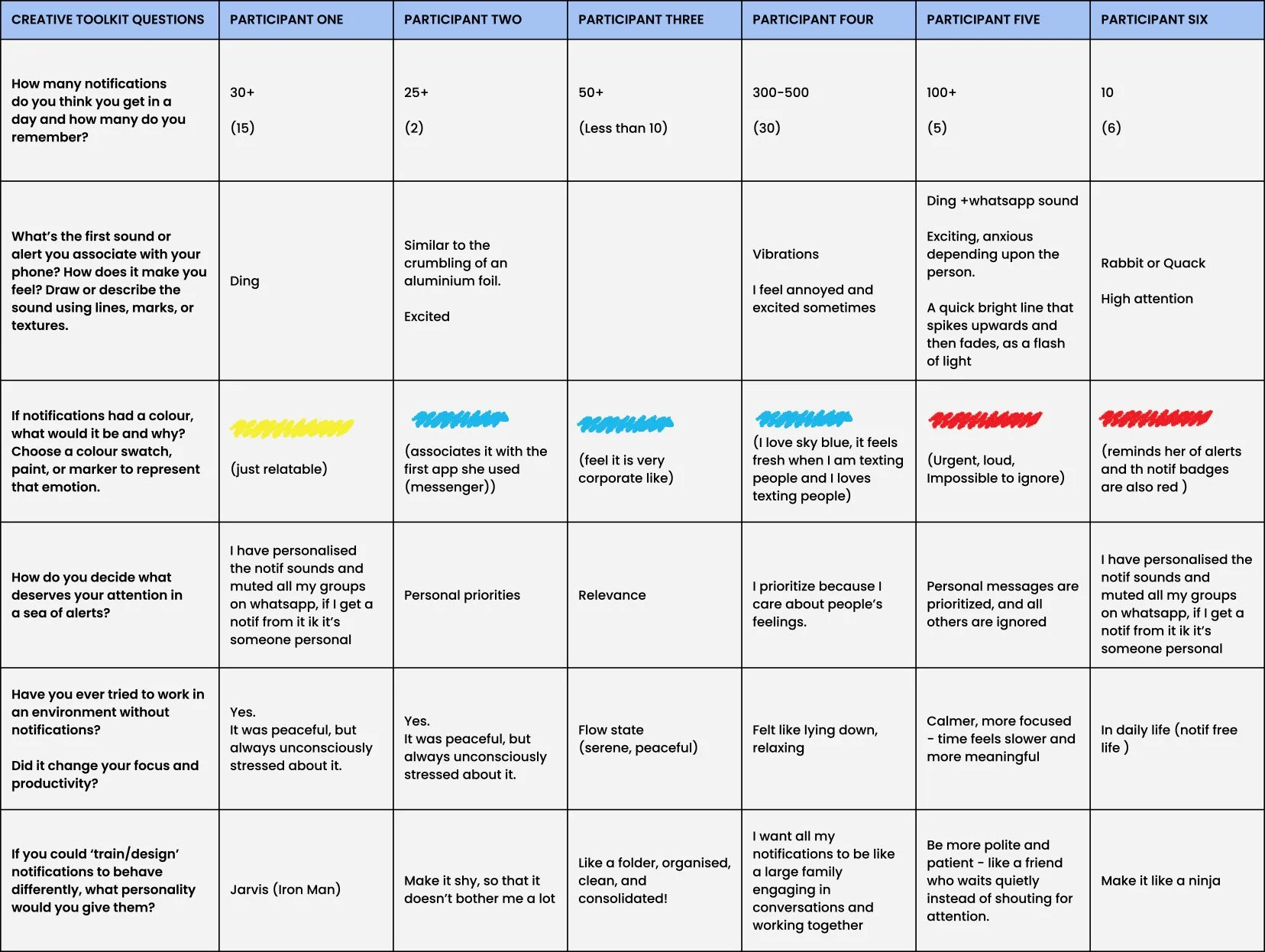
Fig. 1. Creative Toolkit resopnses collected by Aishwariya Saji & Sakshi Pansares.
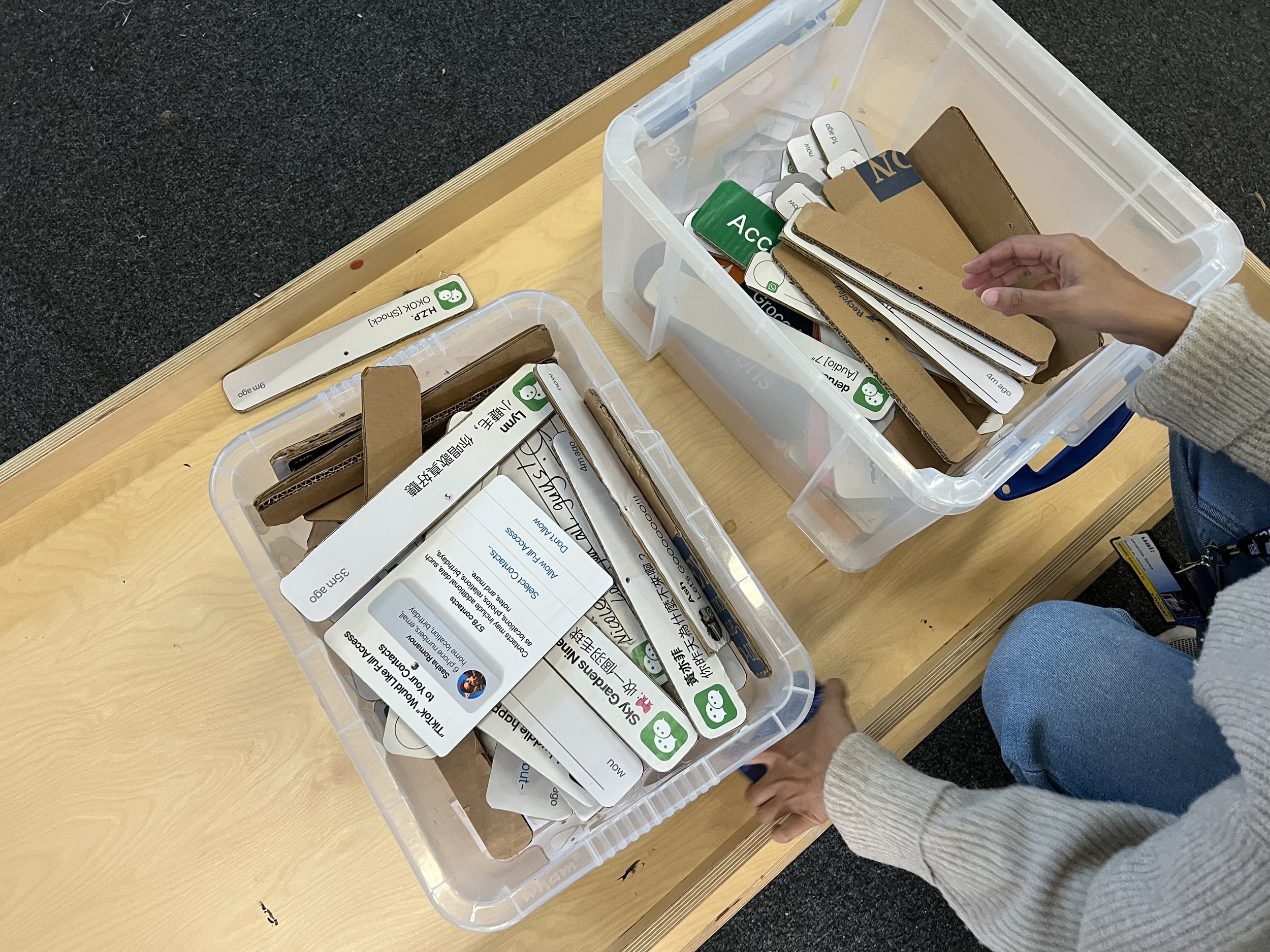
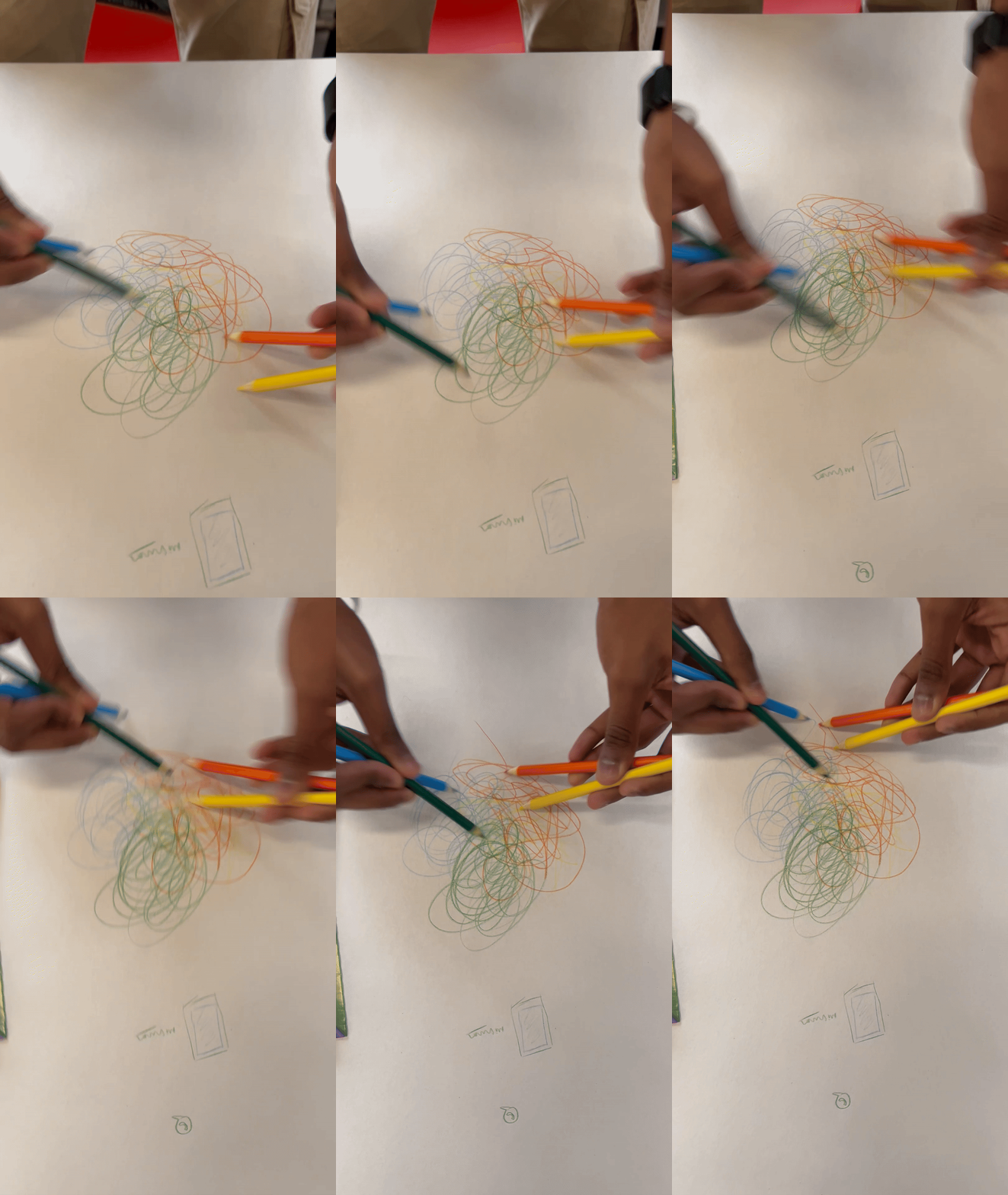
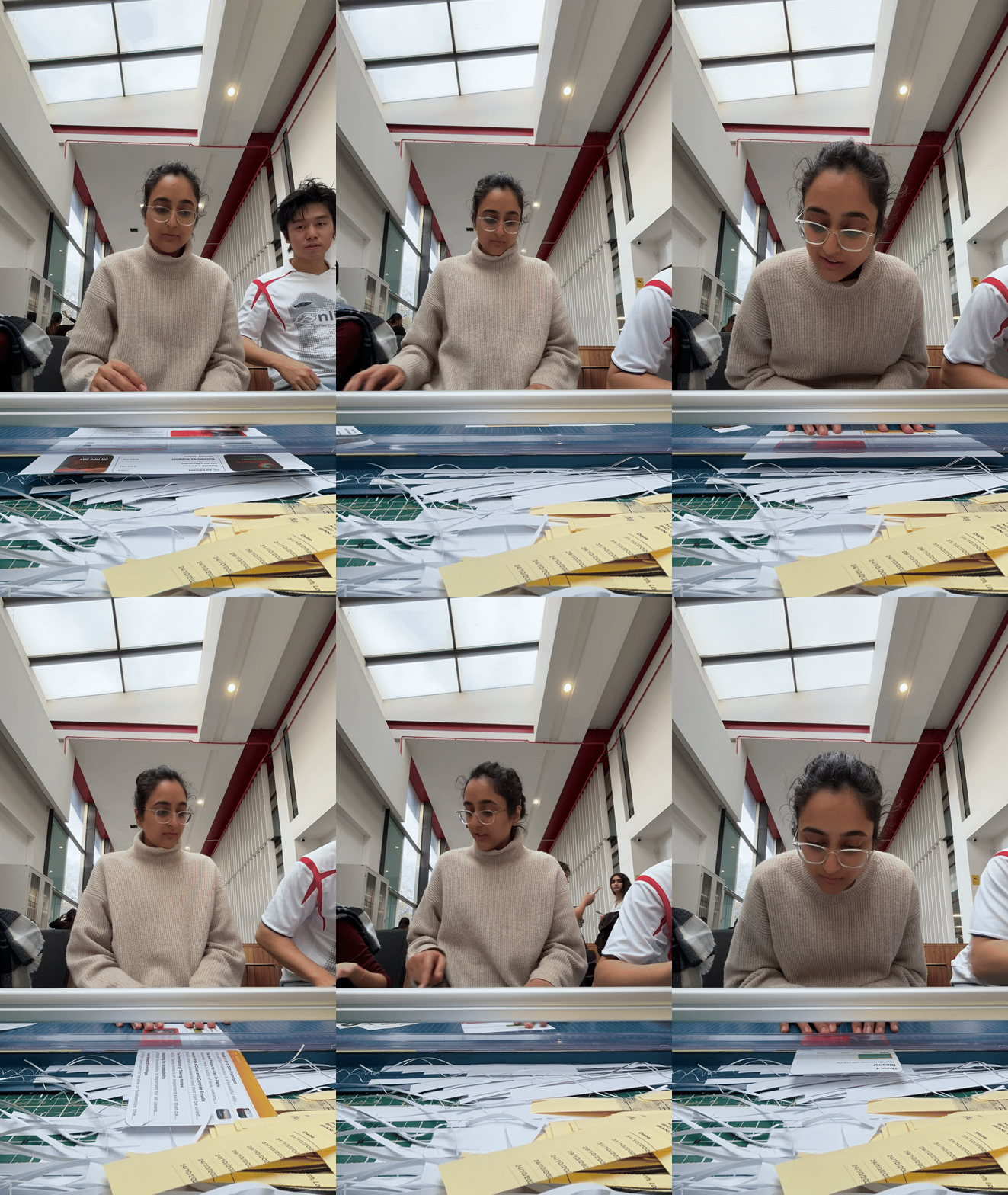
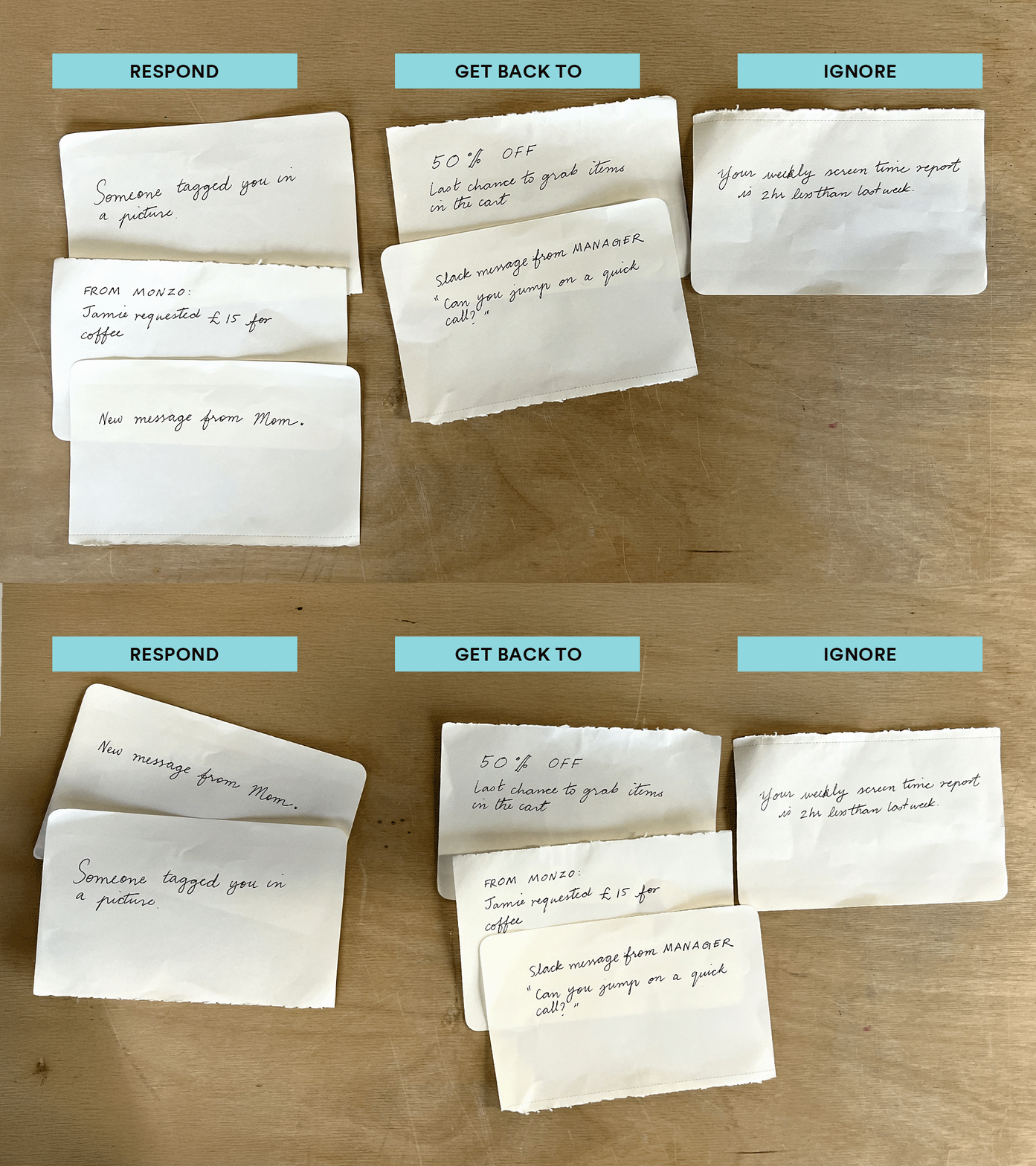
Fig. 2. Creative toolkit responses (left) Draw what it feels like in a situation full of alerts and bings? · (right) Sort the printed notifications based on how you would typically react.
Creative
Toolkit
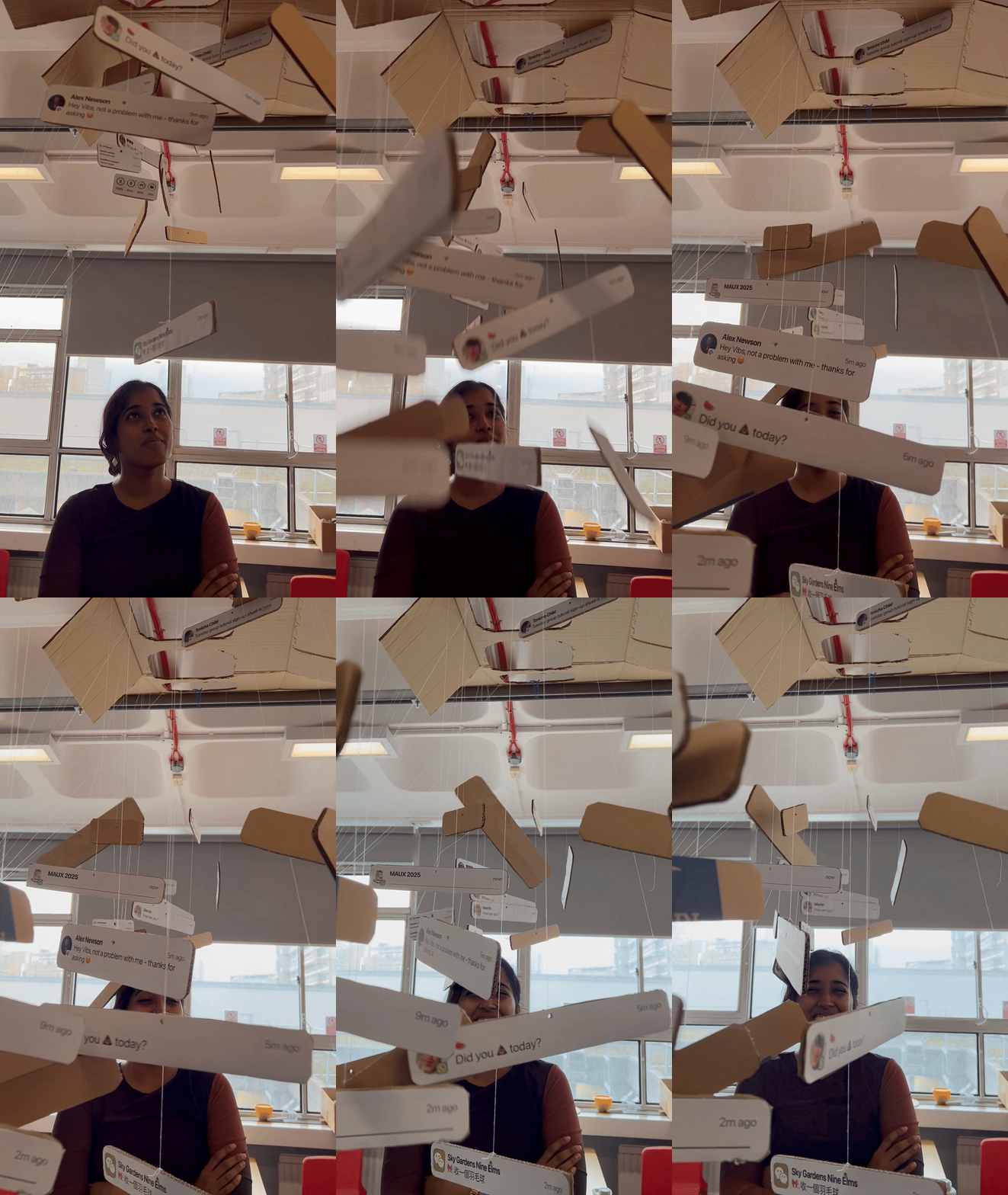
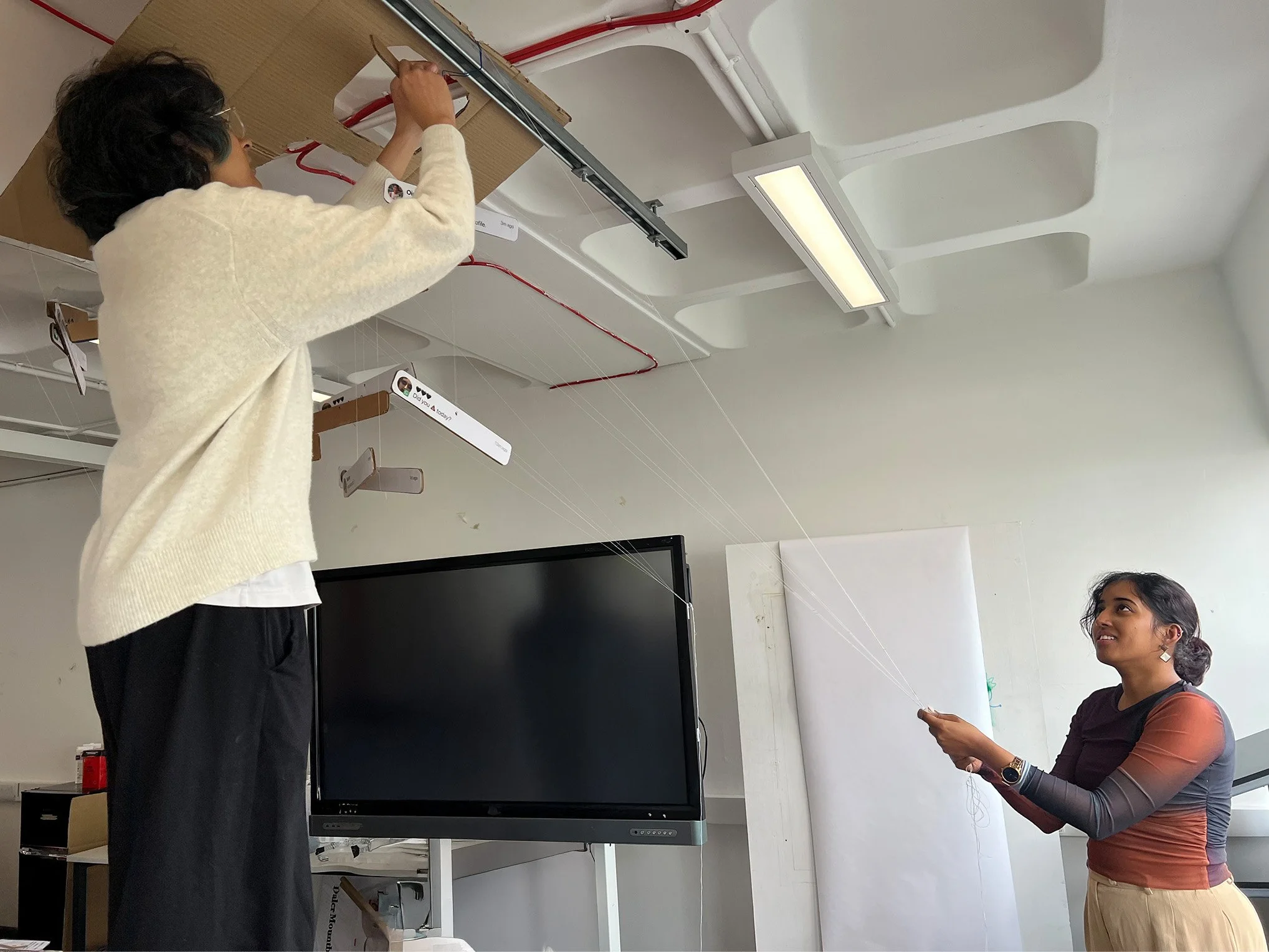
In our first prototype, notifications were attached to strings and dropped around the user. While visually elegant, it felt too soft and failed to reflect the intensity of notification overload and the threads kept tangling up making it an unreliable structure for the final experience.
Sound design was informed by the toolkit. Several participants said the one notification they would never ignore was a call from their mother. We layered a “call from mum” into an increasingly chaotic mix of Slack pings, WhatsApp alerts, Teams calls, etc., intended to trigger the participant.
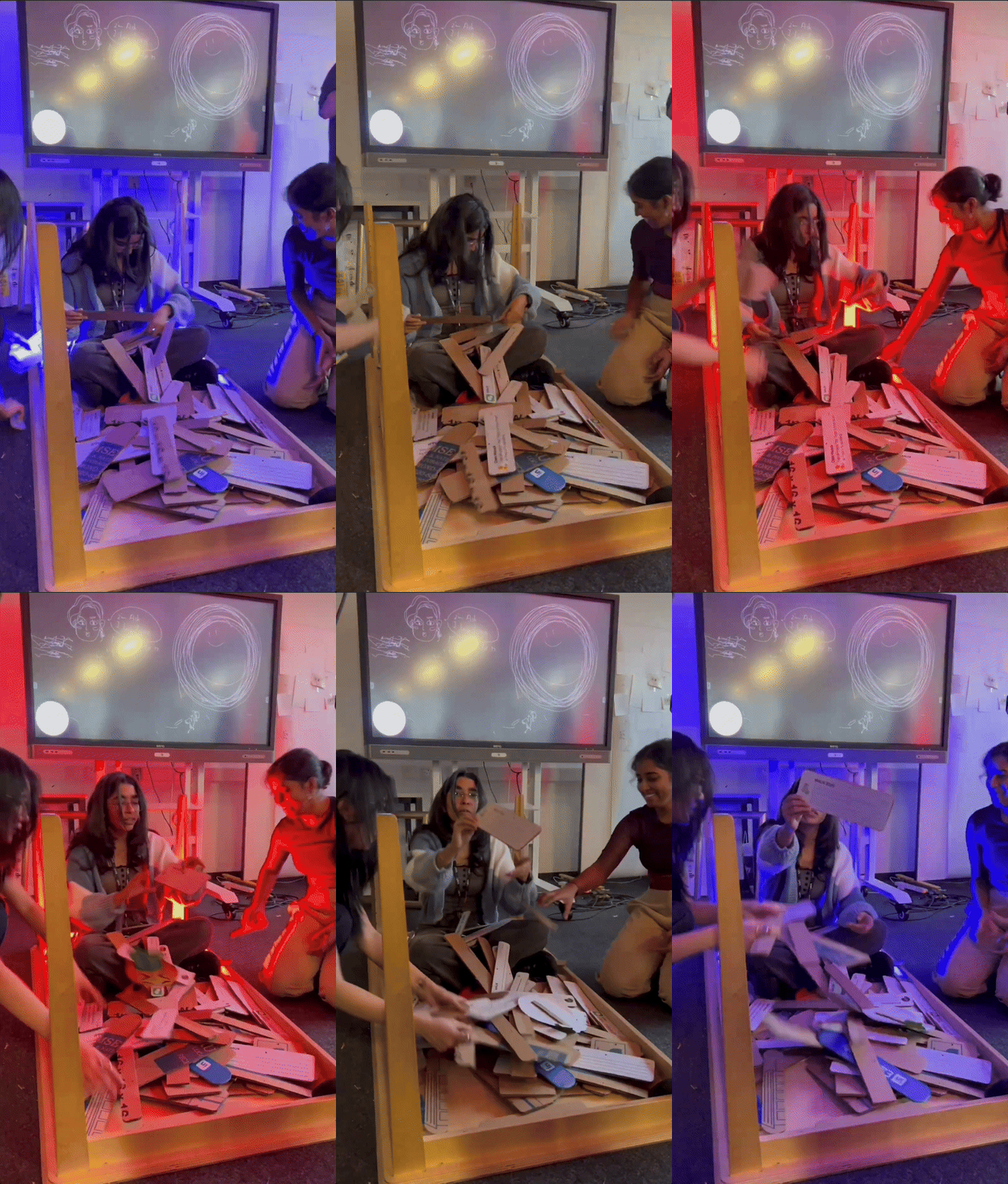
The final outcome was a gamified experience in which we dropped a dump of notifications onto the participant all at once, using sound, light and physical triggers to create an embodied feeling of overload. The participant was then tasked to find 3 specific notifications from the mess before time ran out.
SFX edited by author using a combination of borrowed sound effects from online sources.
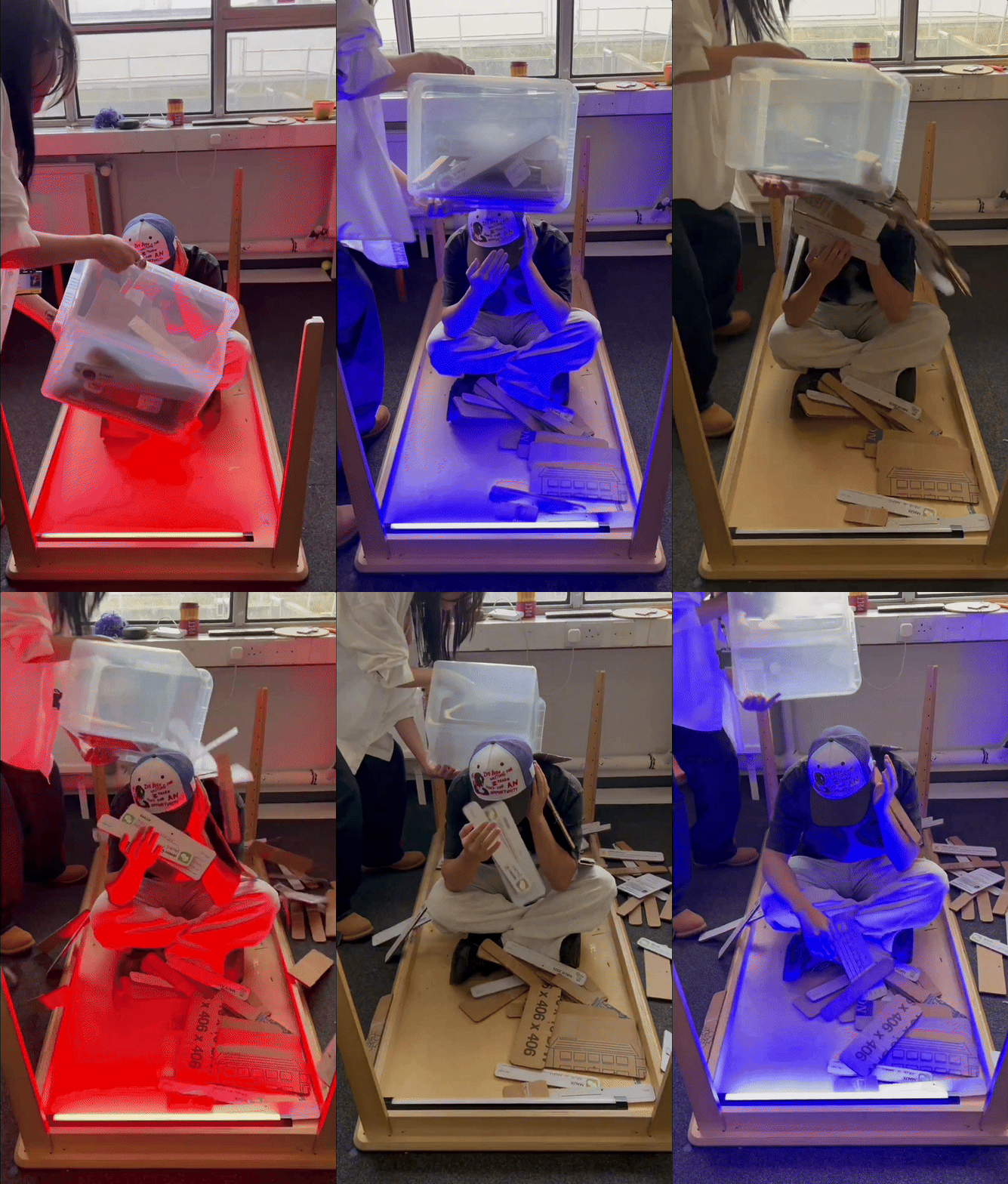
Feedback suggested we could have pushed it even further. If we revisited the project, we would embrace that and explore how far the experience could go by being more exaggerated, disruptive and unrestrained.
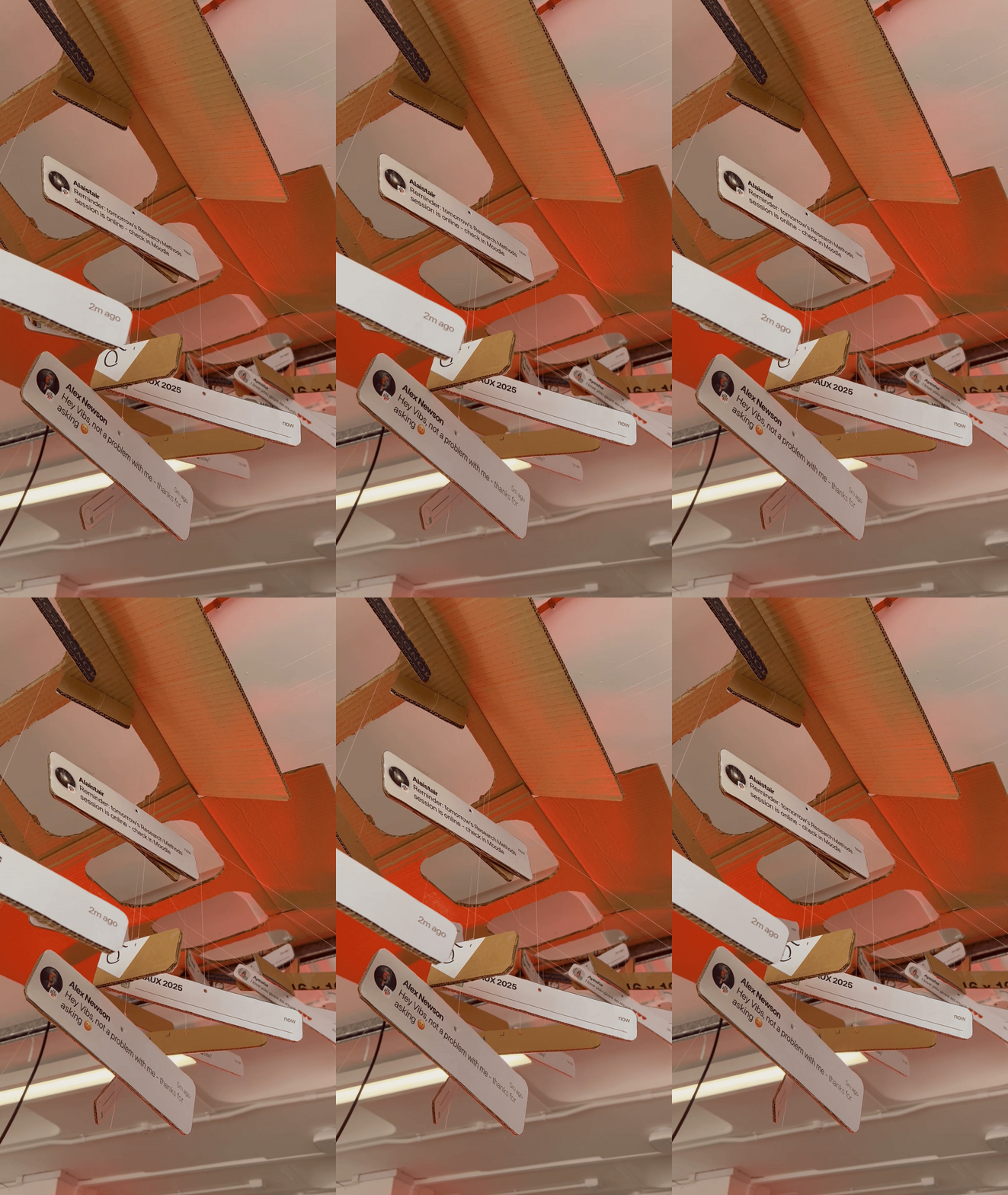
Testing
Sound
Prototyping
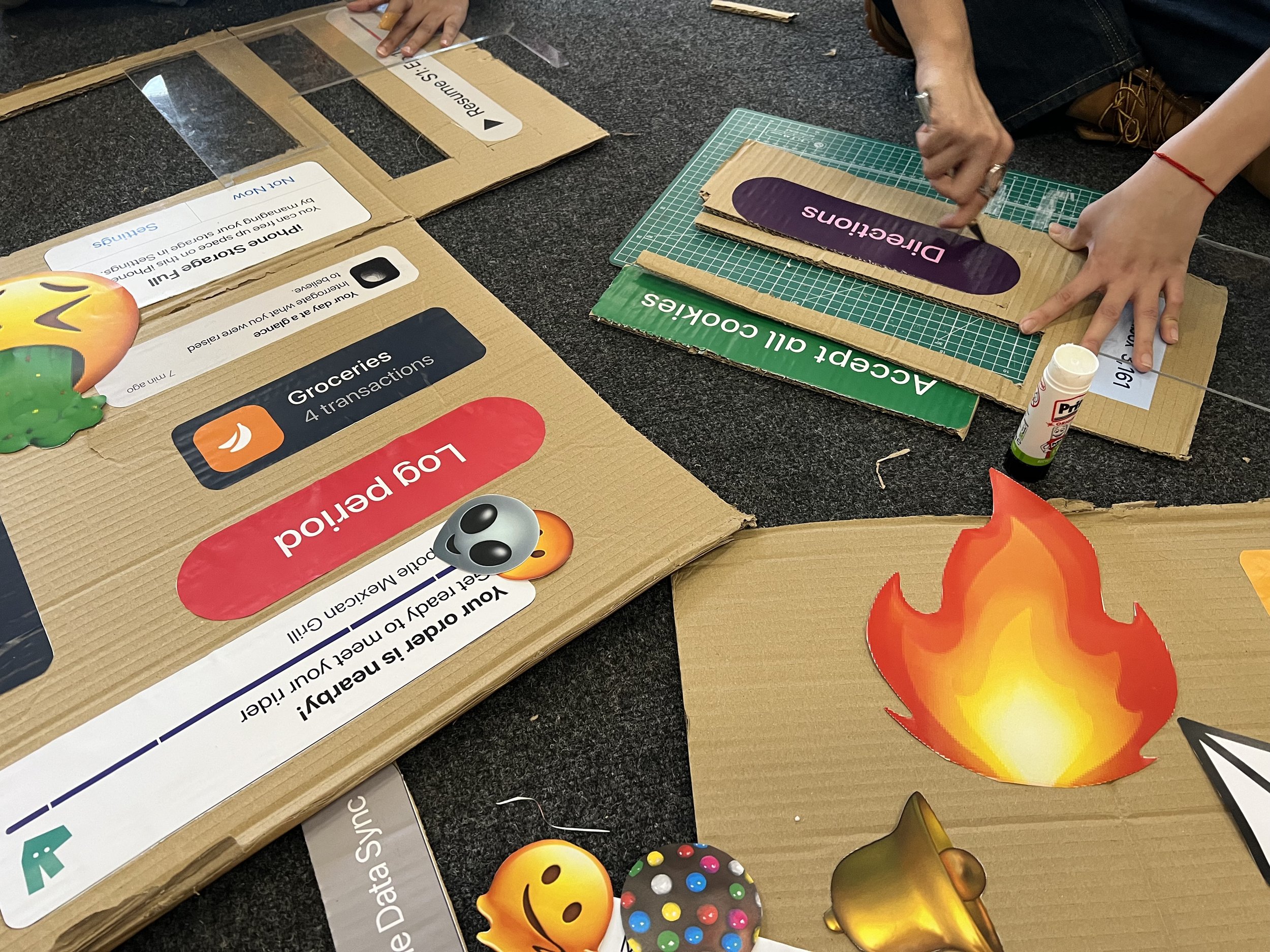
We began collecting the kinds of alerts people receive daily: Slack pings, WhatsApp and WeChat messages, Teams calls, weather updates, period trackers, job alerts from LinkedIn and astrology apps. Alongside these, we added smaller digital interactions such as “Apply for job,” “Log period,” “100 unread emails” and “Update app.” Each carried its own demand, responsibility and expectation.
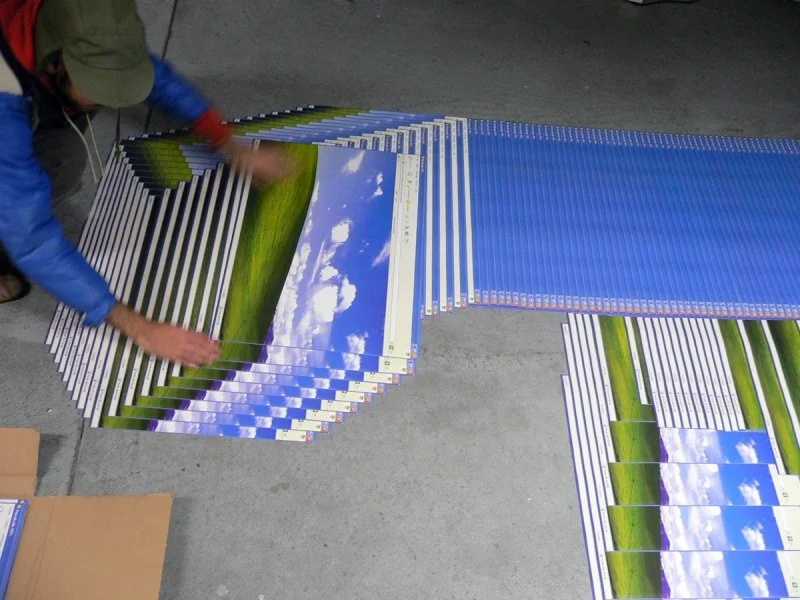
Fig. 3. References exploring making the invisible visible through materials: (left) Porta Rocha · (right) Paul Destieu
Outcome
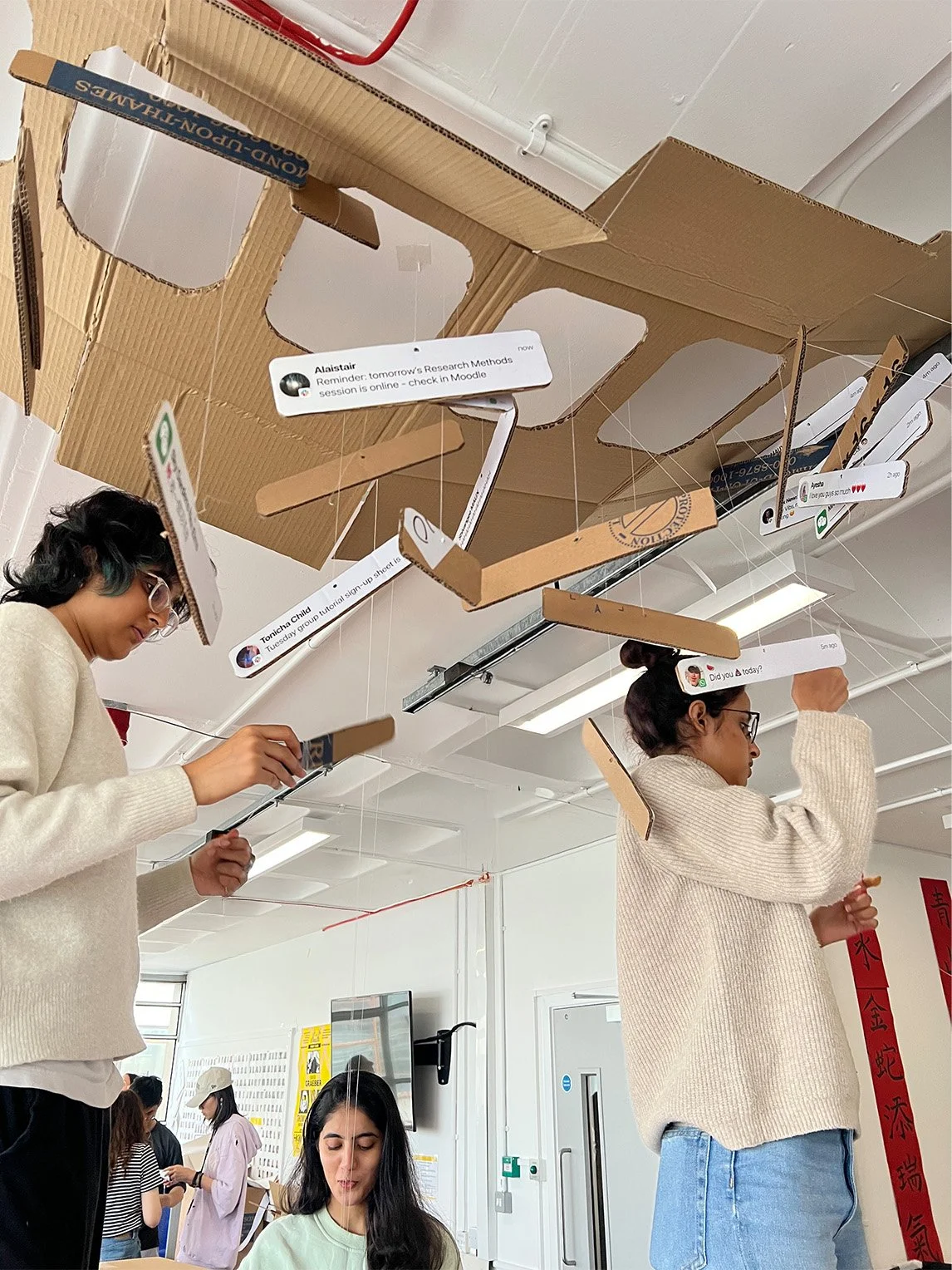
Fig. 4. Making of the physical notifications (bottom left) video by Vibhooti Sharma · (rest) photography by author.
Fig. 5. We attached the cardboard notifications to strings that would drop from the ceiling upon release, photography by author.
References:
Greenfield, A. (2017) Radical technologies: The design of everyday life. London: Verso.
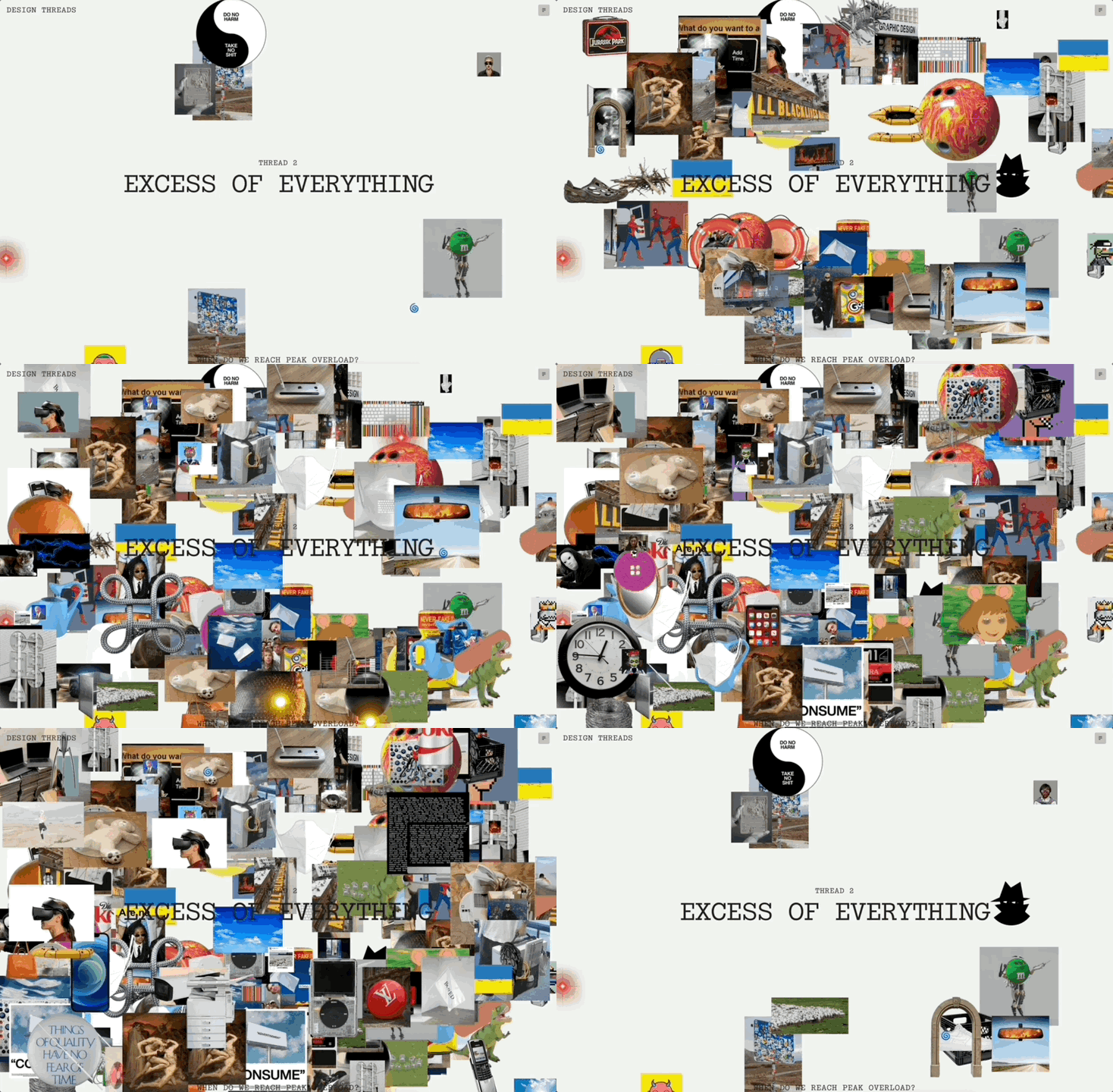
Design Threads (2022) Thread 2 – Excess of Everything. Available at: https://www.designthreads.report/thread2
(Accessed: 15 January 2026).
Destieu, P. (n.d.) My Favourite Landscape. Available at: https://www.pauldestieu.com/main/spip.php?article1
(Accessed: 15 January 2026).